Bayer, Neste agree to scale newgold winter canola for biofuels
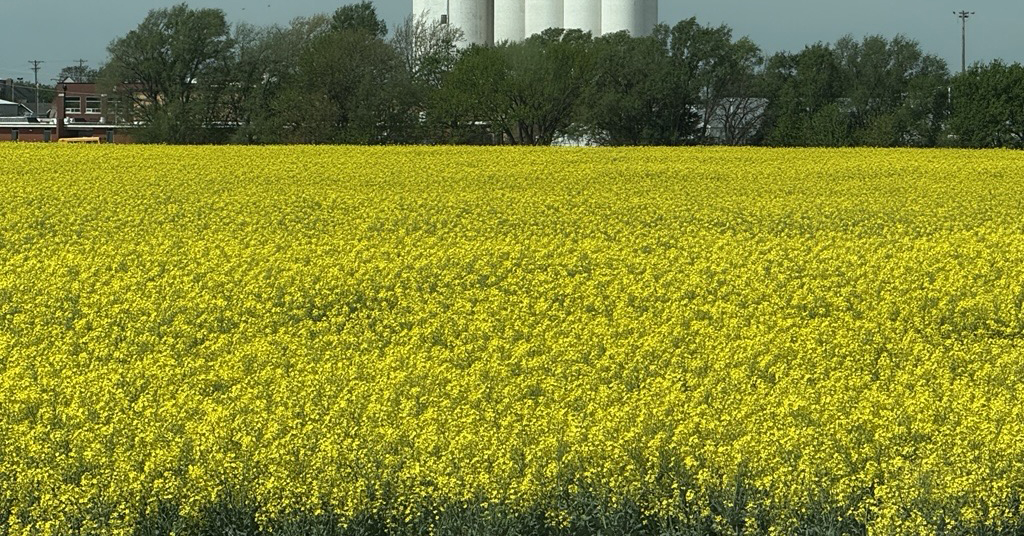
Bayer and Neste have finalized a commercial agreement to jointly scale Bayer’s newgold winter canola.
The collaboration will enable Bayer, St. Louis, Missouri, to significantly expand winter canola acreage in the southern Great Plains, increasing the potential supply of lower-carbon-intensity oilseed feedstocks to meet the growing global demand for biofuels such as renewable diesel and sustainable aviation fuel. The companies estimated production to reach approximately 40 billion gallons by 2040. The high-protein meal from the winter canola grain will be sold into the feed market, offering an additional feed source for dairy and beef cattle, poultry and swine.
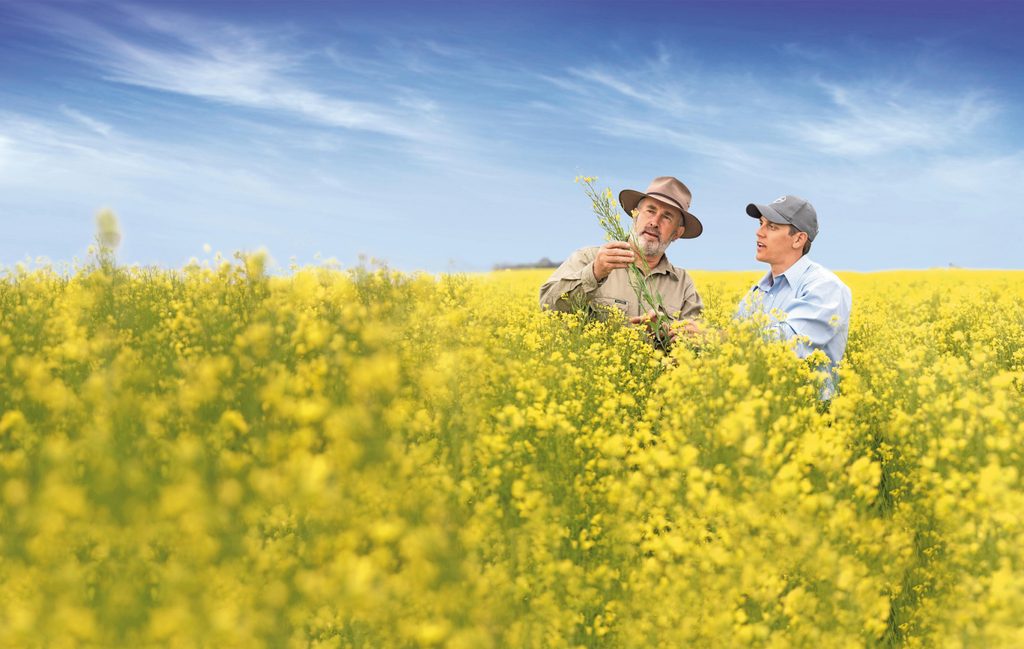
“In times of geopolitical tensions, the need for more energy security and resilience while decarbonizing the transportation sector leads to growing demand for renewable fuel. This agreement further underscores Bayer’s commitment to help scale biofuels production,” said Frank Terhorst, head of strategy and sustainability for Bayer’s Crop Science division. “We see the southern Great Plains as an untapped opportunity for winter canola. The launch of newgold winter canola will provide farmers with a profitable rotational crop with wheat and improve land utilization, while offering the opportunity to participate in a growing biofuels market.”
Bayer and Neste are establishing a newgold network with additional value chain partners to support the expansion of winter canola and ensure an additional market for farmers.
“Maximizing the contribution of novel types of raw materials to support growth in renewables requires open supply chain collaboration. By building robust value chains, we can turn agricultural innovations into scalable realities for growers and energy markets. Through the Bayer newgold winter canola collaboration, we are establishing a value chain in one of Neste’s key markets and developing opportunities to increase farm yields and grower income. This renewable raw material can be scaled rapidly in the coming years, which can help meet increasing biofuels demand,” said Artturi Mikkola, senior vice president of renewable products feedstock sourcing and trading at Neste.
Bayer aims to launch newgold winter canola hybrids in the fall of 2027. These hybrids offer farmers several benefits, including winter hardiness, TruFlex, Bayer’s second-generation Roundup Ready trait technology and pod shatter resistance technology. Together, these advancements offer potential for yield performance and higher oil content. TruFlex winter canola, sold under the newgold seed brand, is intended to provide a profit opportunity for the southern Great Plains, giving growers flexibility to decide how and where it fits best in their operations.
Biofuels can play a key role in helping the transportation sector in its energy transition since electrification may not be feasible in all transportation systems such as aviation, rail, heavy-duty equipment or marine transportation. Biofuels can be produced from renewable organic materials such as corn, soy, canola and other intermediate oilseed crops, such as winter canola.
Bayer recently presented its biofuels platform at its investor day in Huxley, Iowa, where it highlighted its emerging portfolio of intermediate biofuel crops, including camelina, winter canola and CoverCress.
For more information, visit www.bayer.com.
To contact us: hpj.com/contact/