All about owls: A closer look at these birds of prey
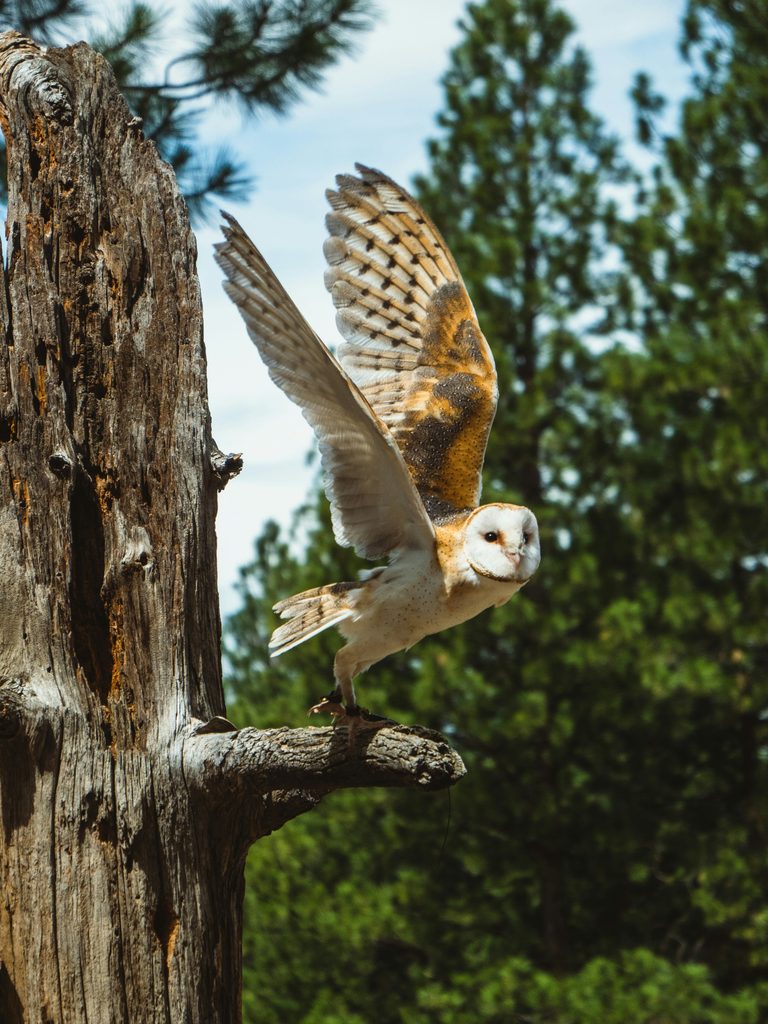
(Photo by Erik Karits via Unsplash.)
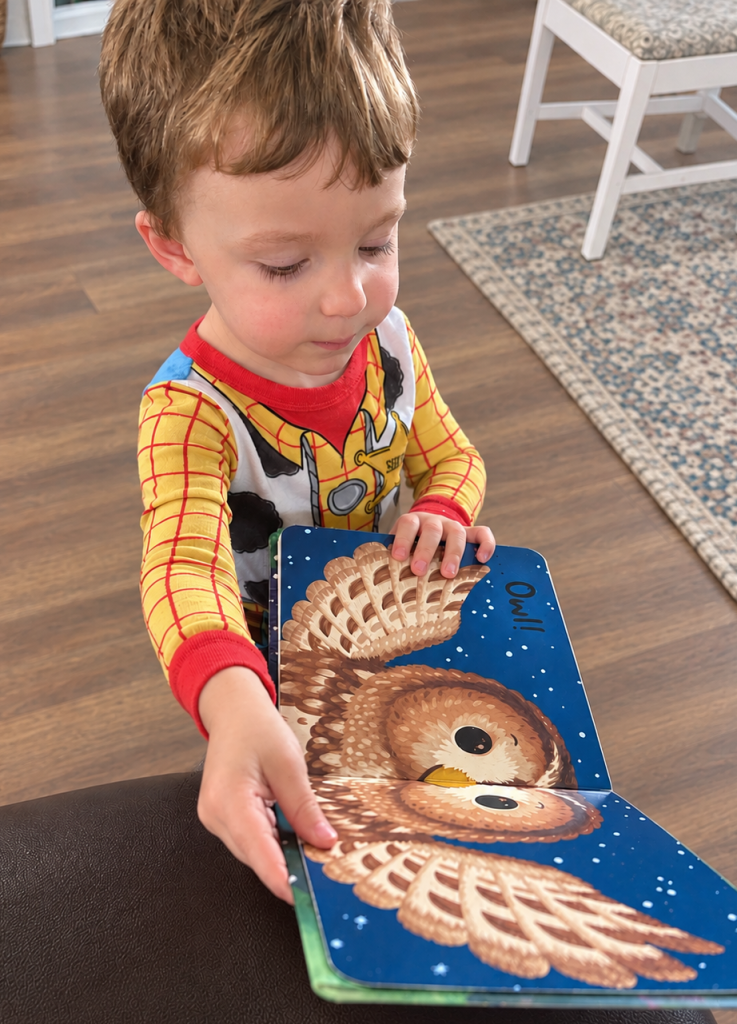
I was inspired by my 2-year-old son to learn more about owls for this Insights article. He is very inquisitive and has recently become fascinated with owls in books, on television and even the owl decoy next to my chicken coop. Every time he sees it, he says, “Bye, owl,” about 40 times.
Although he is interested in these birds, he is also somewhat terrified of them and has no interest in getting close to the decoy. His reaction is understandable. Owls can look intimidating, and their association with spooky season and Halloween makes this a fitting time to learn more about them.
Birds of prey
Owls are birds of prey, or raptors, with bodies adapted for hunting and killing small animals. They use sharp talons and curved bills to capture and eat prey. Although they share some characteristics with other raptors such as hawks and eagles, owls have several distinctive features that set them apart. They have large heads, thick bodies, flat faces, large eyes, soft feathers, and short tails.
One of their most recognizable features is their forward-facing eyes, similar to those of humans. However, unlike humans, owls have no peripheral vision and cannot move their eyes very much because their eyes are fixed in their sockets. Instead, they turn their heads to change their field of view.
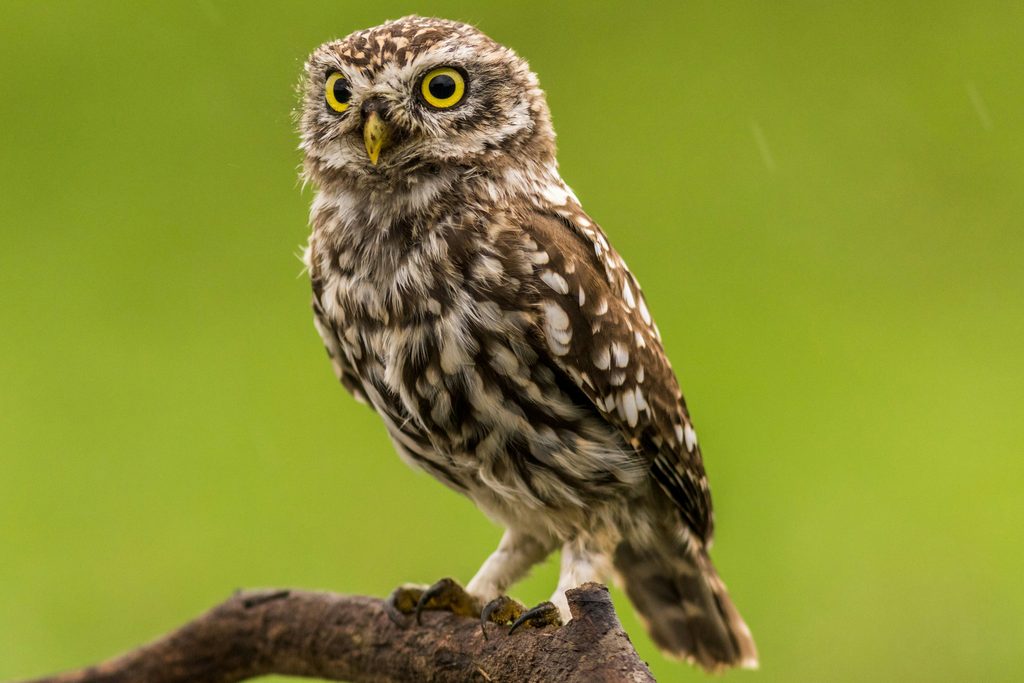
According to the Cornell Lab of Ornithology, owls can rotate their heads as much as 270 degrees, allowing them to look behind themselves without turning their bodies. They can do this is because owls have 14 cervical vertebrae, twice the number that humans and most mammals have.
Additionally, to keep blood flowing to the brain during these extreme twists, owls have large bony air-pocket cavities, flexible blood vessels, and special vascular reservoirs that prevent pinching or tearing. God was feeling creative the day he made the owl.
Owls have excellent long-distance vision and highly developed hearing, which helps them to locate prey. Their hearing is particularly effective because their ears are positioned asymmetrically on their heads. This arrangement helps them determine where sounds originate in multiple dimensions, an advantage when hunting.
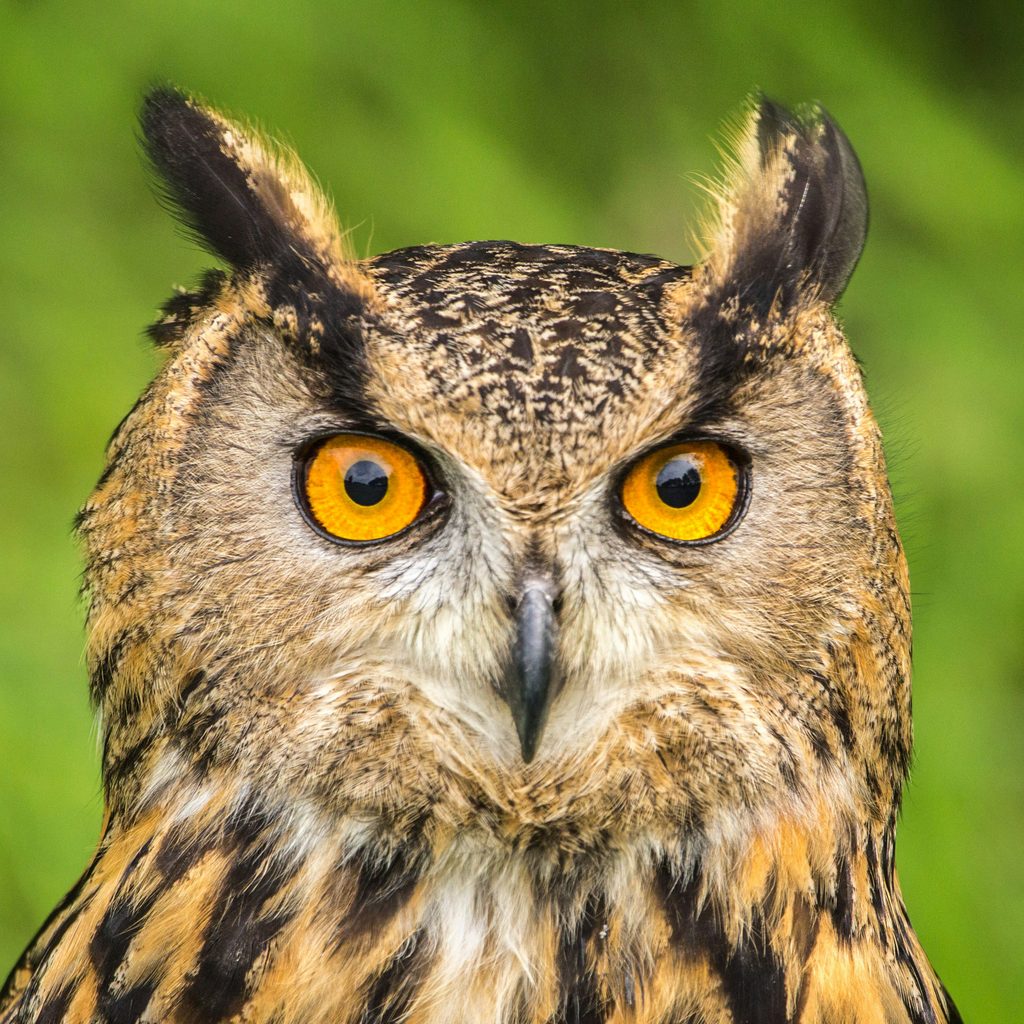
The feather tufts found on the heads of some owl species may look like ears, but they are not related to hearing. Instead, the tufts can help camouflage the birds by breaking up their outlines and resembling leaves or branches.
Their feet are another important hunting adaptation. Owls are zygodactyl, meaning they typically have two toes facing forward and two facing backward. They can reposition one of their toes to improve their grip when perching or capturing prey.
Owls great and small
According to the Owl Research Institute, there are 250 species of owls worldwide. They live on every continent except Antarctica and belong to the bird order Strigiformes, which is divided into two families.
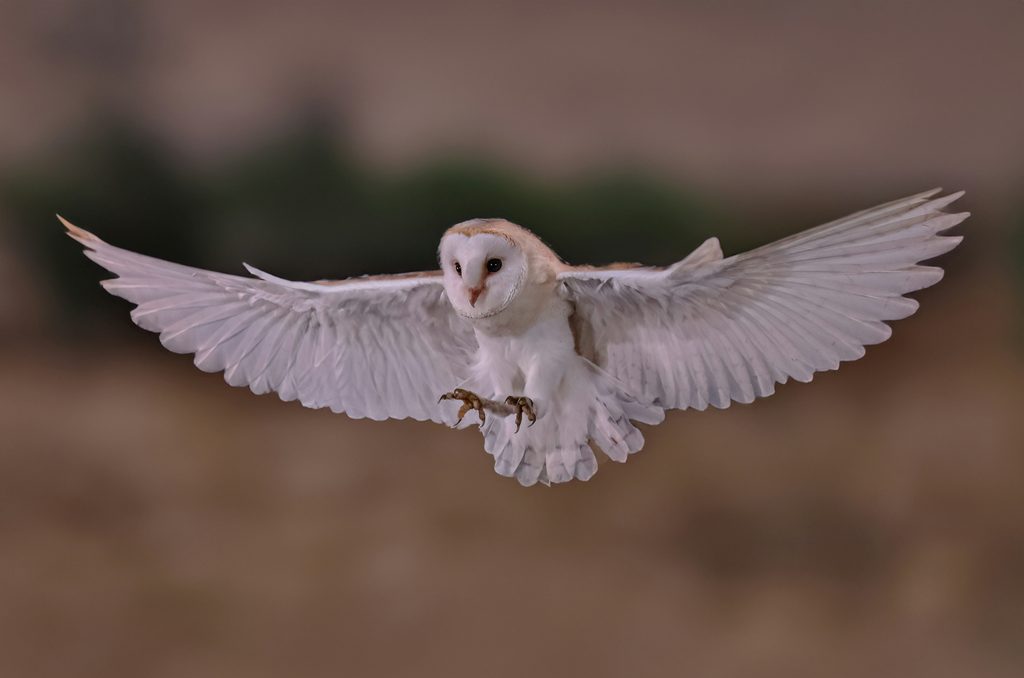
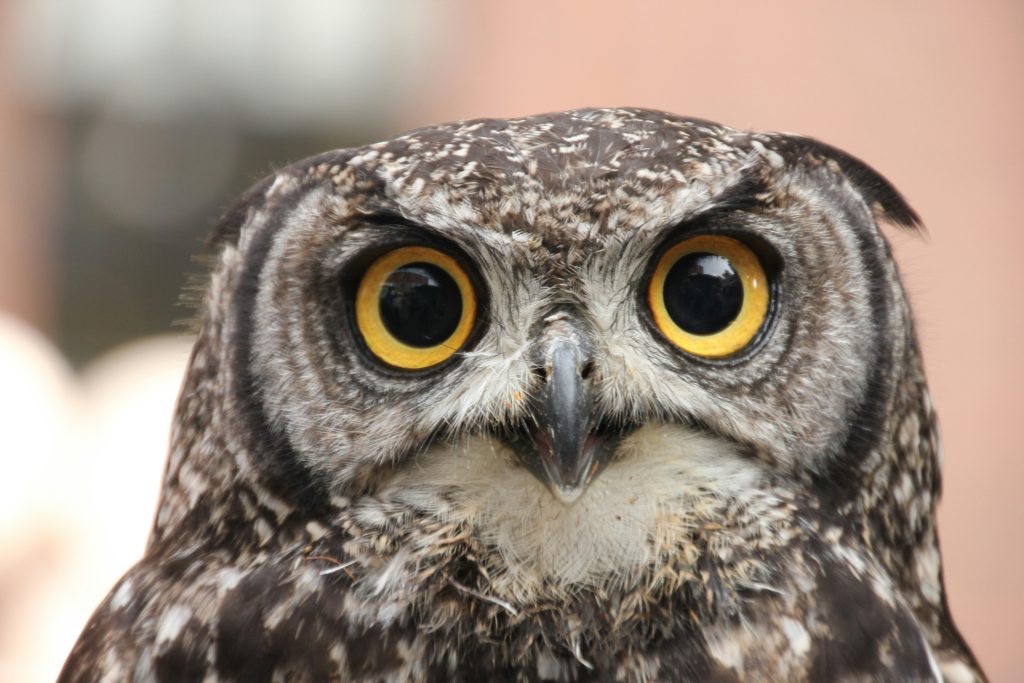
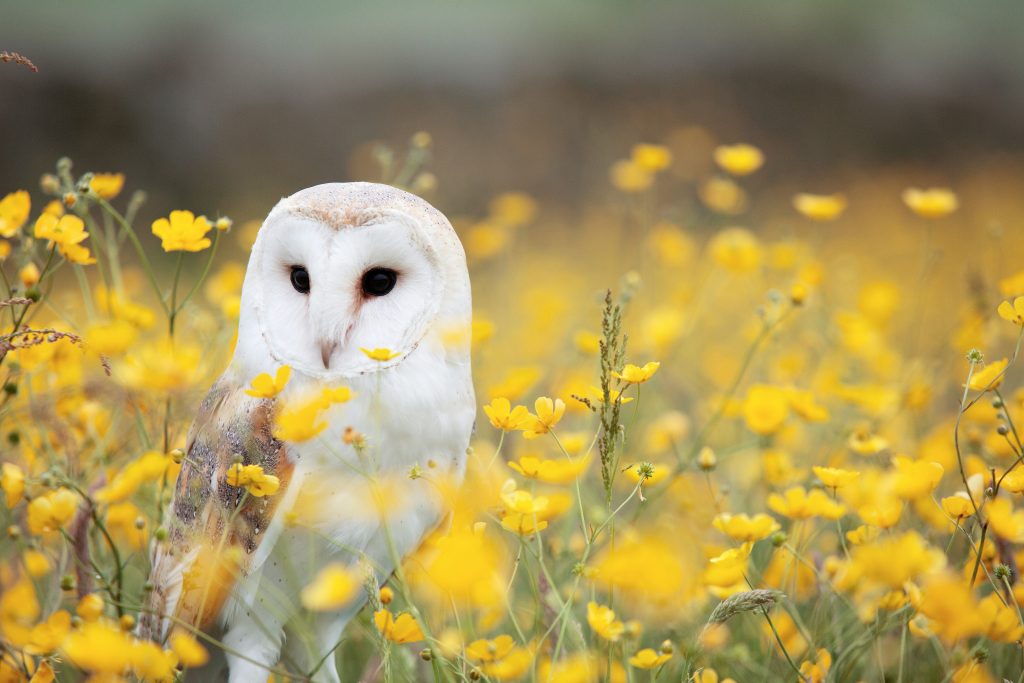
The Tytonidae family includes barn owls, which are recognized by their heart-shaped facial disks. The Strigidae family includes all other owls, most of which have round facial disks. A group of owls is known as a parliament.
Owls vary considerably in size. The Blakiston’s fish owl is the largest owl species, weighing about 10 pounds and boasting a wingspan of more than 6.5 feet. At the other end of the spectrum, the elf owl is the smallest, weighing about 1.5 ounces and standing approximately 5 inches tall.
Although owls are found in many environments, most species are nocturnal. Their nighttime activity makes them less visible to people than many other raptors, which hunt during the day.
The ORI states some owls have been known to live as long as 25 years, but the average life span for most species is likely much shorter. In general, larger owl species tend to live longer than smaller ones.
What’s for dinner?
Owls are predators with diets that vary by species, habitat and prey availability. Common prey includes small mammals such as mice, voles, rats, squirrels, and rabbits. They also eat reptiles and amphibians, including snakes, lizards, and frogs, as well as smaller birds.
For poultry owners, some owls can pose a threat to young or bantam chickens. Depending on the species and circumstances, owls may also prey on pigeons, doves and other small owls.
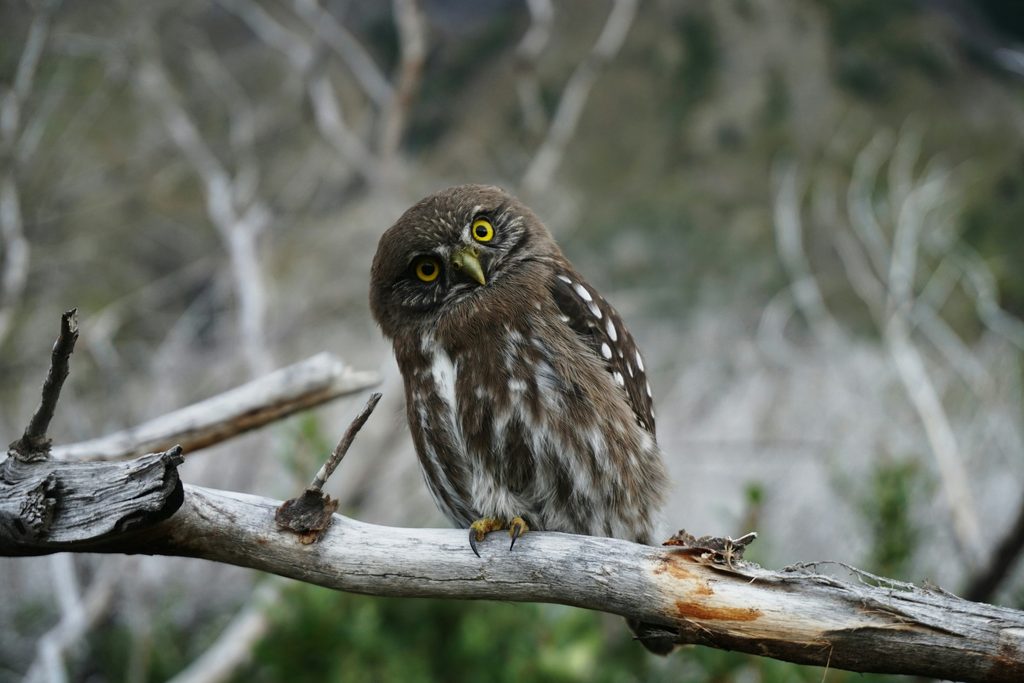
Other potential food sources include fish, insects, and invertebrates such as grasshoppers, earthworms, and crickets. Larger owl species may also take young foxes, skunks and opossums.
Owls swallow prey whole or tear it into pieces because they do not have teeth to chew. After they swallow, food enters the first stomach chamber where acids and enzymes digest the soft tissue. The muscular gizzard separates indigestible materials, such as bones, fur and feathers, which are compressed into owl pellets that cannot be digested, and they regurgitate those pellets about 8 to 12 hours later.
Owls are important predators that help regulate rodent populations. This can benefit agricultural operations by reducing the number of rodents that feed on stored grain and crops. Every farmer hates mice and rats, and they can thank owls for feasting on them.
Finding a mate
Owls have distinct courtship behaviors and parenting habits that help them raise their young. From attracting a mate to protecting a nest, their breeding cycle depends on species, habitat and food availability.
According to the ORI, larger owls generally hoot, while smaller owls often make higher-pitched calls. Females listen for calls from males of the same species and may respond to a call that interests them.
Once a male attracts a female’s attention, he may begin displaying his feathers, fluffing them out or offering her food. He may also dive past the female into the grass. If she follows him, the two may form a mating pair. Paired owls spend considerable time together.
Food availability plays an important role in whether owls breed, according to the ORI. If local food supplies are low, owls may not reproduce in a particular area that year. When enough food is available, females may lay one to 14 round, white eggs, depending on the species and the amount of food available.
Home is where the hoot is
An owl’s call is one of its most recognizable characteristics. According to the ORI, owls vocalize at relatively low frequencies, allowing their calls to travel long distances without being absorbed as readily by vegetation. The calls and other vocalizations can also help identify different owl species.
Owls spend much of their active time hunting. When they are ready to rest, they return to a sheltered place known as a roost. According to the ORI, scientists believe males establish and advertise a territory, while females select the nest site. The pair then defends the nest, which serves as the family’s home for several months.
Unlike many birds, most owls do not build their own nests. Instead, they use abandoned nests, natural cavities in hollow trees and man-made structures such as church steeples, barn rafters or silos. Some species also occupy burrows or holes created by other animals, including prairie dogs and badgers.
Raising an owlet
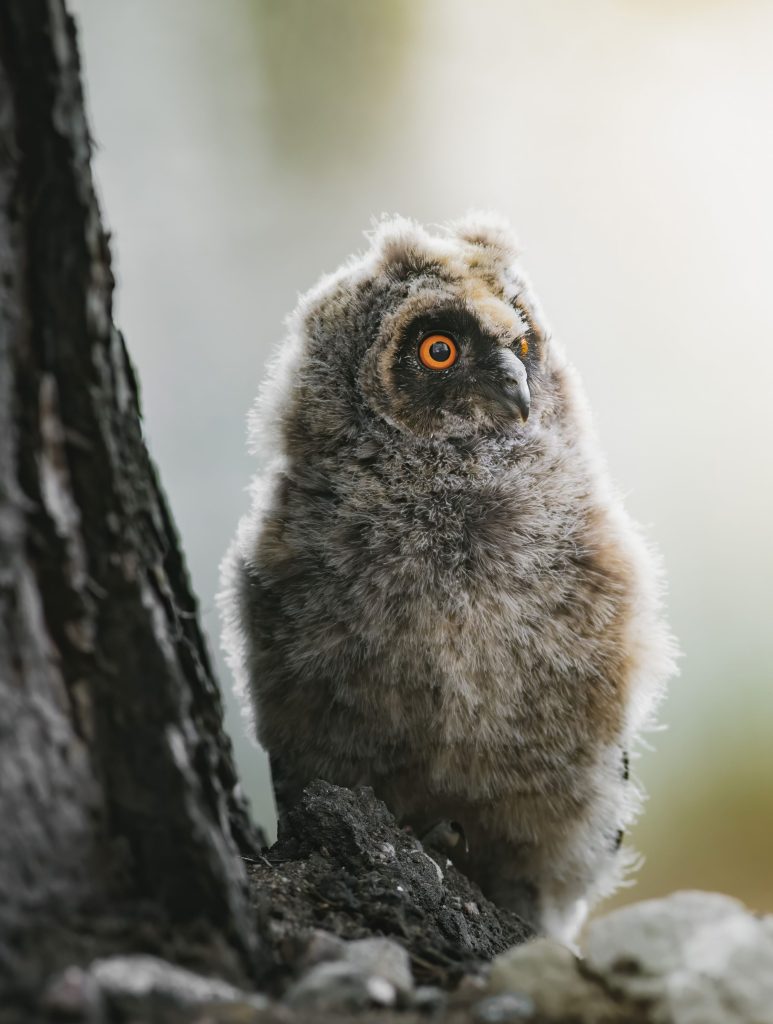
Baby owls, called owlets or nestlings, generally hatch three to five weeks after the eggs are laid, depending on the species. Newly hatched owlets have closed eyes and are covered in white, downy feathers. Their eyes open several days after hatching, and their white down is gradually replaced by darker feathers, often gray or brown.
Both parents contribute to raising the young, though their roles often differ. Male owls hunt and bring food to the nest, while females frequently tear prey into smaller pieces and feed the nestlings.
As the owlets grow, they begin leaving the nest before they can fly. Once they can regulate their body temperature, they may venture into nearby vegetation to hide and explore. Some begin leaving the nest at about 2 weeks old and take their first flights after four to five weeks.
By autumn, most owl parents have finished raising their young. The fledglings have grown their adult feathers and reached full size, preparing to live independently.
After researching these curious birds, I’ve concluded owls are much like the monsters associated with Halloween: They are often misunderstood.
They are the Frankensteins of the avian world, judged for their striking, sometimes spooky appearance and eerie sounds in the darkness. But beyond their sharp talons, large yellow eyes and curved bills are impressive creatures with specialized senses, distinctive behaviors and remarkable hunting abilities.
I may not have convinced my son to get any closer to our owl decoy, but I have certainly gained a greater appreciation for the real birds. Sometimes, fear comes from a lack of understanding. The next time I hear the unmistakable hoot of an owl at night, I’ll remember just how fascinating these birds are—and there’s more to them than meets the eye.
Lacey Vilhauer can be reached at 620-227-1871 or [email protected].