
USDA awards $51.9 million to combat feral swine in 13 states
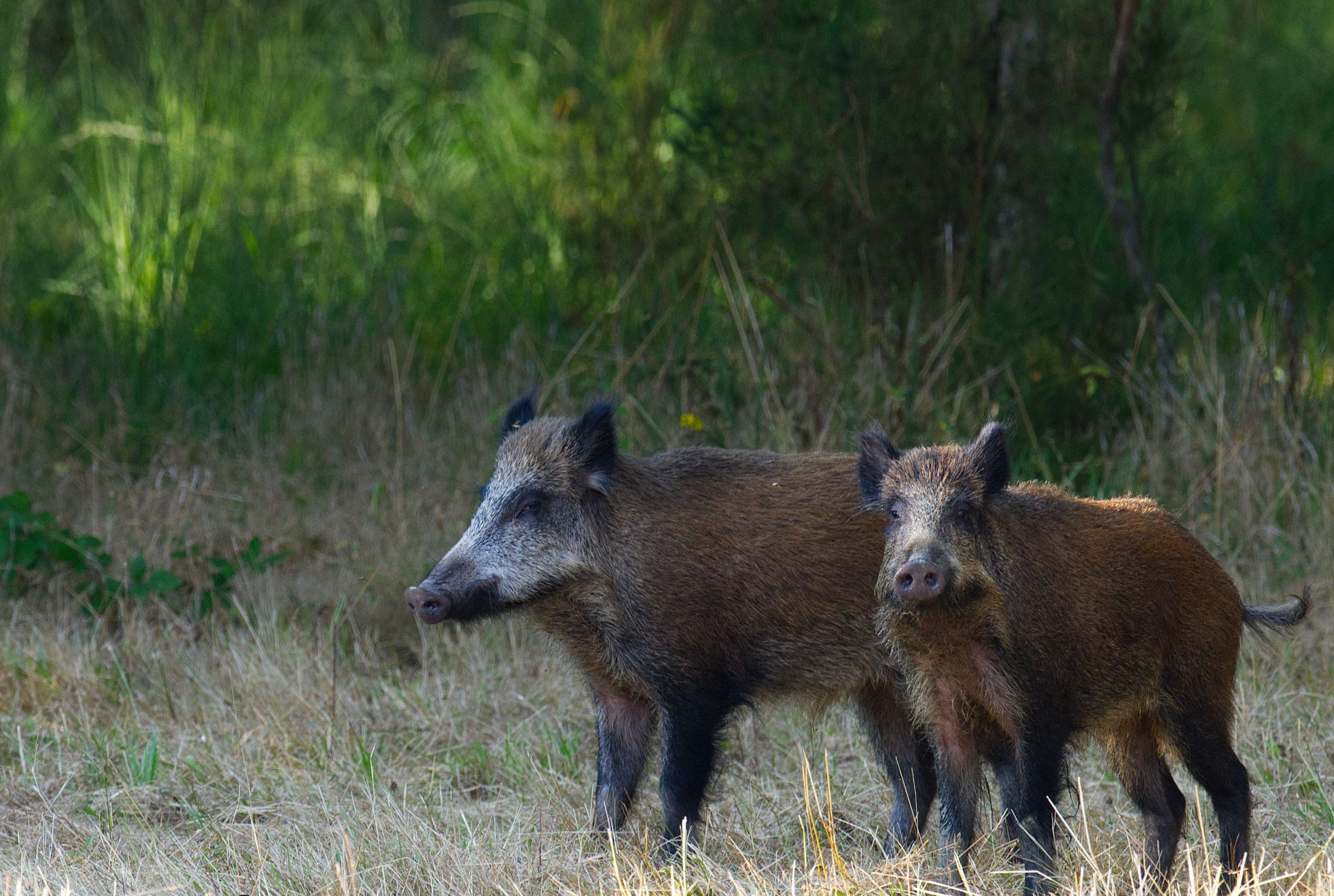
The U.S. Department of Agriculture has awarded $51.9 million to 29 partnership projects across 13 states to help control and eradicate feral swine populations and limit damage to agricultural lands and natural resources.
Feral swine can damage plant and wildlife habitats, soil and water quality, and other natural resources. According to the Animal and Plant Health Inspection Service, the minimum annual cost of feral swine damage in the United States is $3.4 billion.
Feral swine also can carry several diseases that threaten livestock and human health. APHIS reports 8% of feral swine carry brucellosis, which can sicken livestock and people.
“Feral swine pose a threat to America’s working lands, and through this program, we’re bringing together America’s agricultural producers and partners to combat feral swine and protect agricultural landscapes,” said Natural Resources Conservation Service Chief Colton Buckley. “The selected projects will take critical steps to eradicate and control feral swine across the nation where their impact is creating the most harm.”
The awards are part of a broader $105 million investment in the Feral Swine Eradication and Control Pilot Program, administered jointly by NRCS and APHIS.
APHIS Administrator Kelly Moore said the agency will continue working with NRCS partners to strengthen efforts to control and eradicate feral swine populations.
“Feral swine continue to inflict serious damage on America’s farms, ranches, and natural resources,” Moore said. “APHIS looks forward to continuing to work with NRCS partners to augment and strengthen our efforts to eradicate and control feral swine populations for the benefit of agricultural and natural resources.”
Since 2020, NRCS has invested $92.9 million in 63 projects through the Feral Swine Eradication and Control Pilot Program. The projects have assisted more than 6,700 landowners across nearly 9 million acres in efforts to reduce feral swine damage.
Planned projects
The 29 projects are in Alabama, Arkansas, California, Florida, Georgia, Louisiana, Mississippi, Missouri, North Carolina, Oklahoma, South Carolina, Tennessee, and Texas.
According to USDA, funding will come from the Working Families Tax Cuts Act, which provides additional support for NRCS conservation programs.
The projects will focus on reducing feral swine populations through coordinated management strategies, including expanded surveillance, trapping, and removal operations. Other activities will include natural resource damage assessments, land restoration and education, and training for landowners.
Under the pilot program, selected partners will provide landowners with assistance for restoration efforts and on-farm trapping, along with related services such as training. NRCS will provide funding through grant agreements with participating partners. Each project will involve coordinated efforts among the selected partner, NRCS and APHIS.
Additional information about the program and participating projects is available through the NRCS Feral Swine Eradication and Control Pilot Program webpage at nrcs.usda.gov.
Lacey Vilhauer can be reached at 620-227-1871 or [email protected].



