Dawes County, Nebraska, is similar to other western Nebraska counties with one exception. The county supports a population of 7,700 people of which two-thirds are urban and live in the town of Chadron.
Of course, a small town with a college or university has a boosted population. The county is comprised of 896,640 acres with 4.5% of that land owned by the federal government, mainly the Ogallala National Grasslands and Pine Ridge Range District. That was clear to see this past weekend when I spent the night in Dawes County because Saturday was opening day of deer season so hunters had arrived from everywhere to get a jumpstart on the season.
I had a delivery to make north of Dawes County and it was merely by accident that I ended up in Crawford, the second largest town in the county at 750 people, on the same day as the 13th annual Crawford Cattle Call. At the local gas station, I asked who was in charge of the event and, without hesitation, I was informed that it was Samantha Dyer. My timing was perfect as it was 10:30 a.m. and the activities of the day were scheduled to kick off on Main Street at 11 am.
Dyer was amazing to visit with. She shares my passion for building Rural America through Main Street and not Wall Street.
First, Dyer shared with me why the committee decided to move the 13th annual event to coincide with the opening day of deer hunting season. It makes sense that when you have people showing up to hunt they make be looking for local flavor and wonderful foods options by mid-day.
The Crawford Cattle Call is where more than 100 panels are set up to create pens on Main Street so local ranchers and cattlemen can bring bulls, heifers and pens of three to display as well as individual animals for the youth judging contest. There is a roping contest, building decorations and live music to go with the food trucks. I am not going to tell you that this is the silver bullet to fix Main Street in rural America, but I certainly embrace it as a great start.
As Dyer spoke about the cattle, the horses and the Wells Fargo stagecoach, pulled by horses from the local Fort Robinson State Park, I could see that she was passionate about youth involvement. “I was one of those kids who grew up here and thought my future was somewhere else. But I soon realized that I needed to raise my kids where I grew up, so I came home from Wyoming.”
At the end of the day that is real task that lies in front of us. We each need to think about how we can create the culture in our rural communities that our kids want to be a part of. While the opening day of deer season may give the community an economic boost for a short time, it will not sustain the culture needed for the community to flourish.
We need families living on the land and producing the essentials of life. In fact, the most common concern that I heard in northwest Nebraska was that ranches were being purchased by wealthy individuals who chased grazing livestock off so they can use it for a hunting preserve. That does not create the culture we need to sustain families and feed the world and, in fact, reduces the wildlife they want to hunt, in my opinion.
While Dawes County has some mining, 40% of the employed folks in the county work for government, a figure that does include schoolteachers. I am concerned because there is a risk of the majority of our national workforce being employed by the taxpayers instead of working for themselves or other local business owners.
I hope the following statement becomes the most overused phrase of the century: We need More Main Street, Less Wall Street. That will only happen when enough of us accept the challenge to create a better culture in our communities like the one I witnessed during the Crawford Cattle Call.
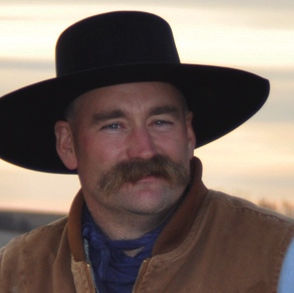
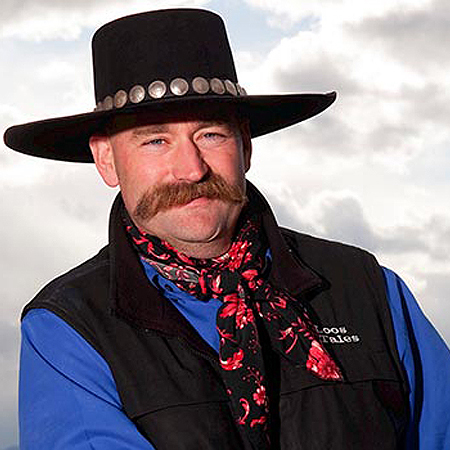
Editor’s note: The views expressed here are the author’s own and do not represent the view of High Plains Journal. Trent Loos is a sixth generation United States farmer, host of the daily radio show, Loos Tales, and founder of Faces of Agriculture, a non-profit organization putting the human element back into the production of agriculture. Get more information at www.LoosTales.com or email Trent at [email protected].
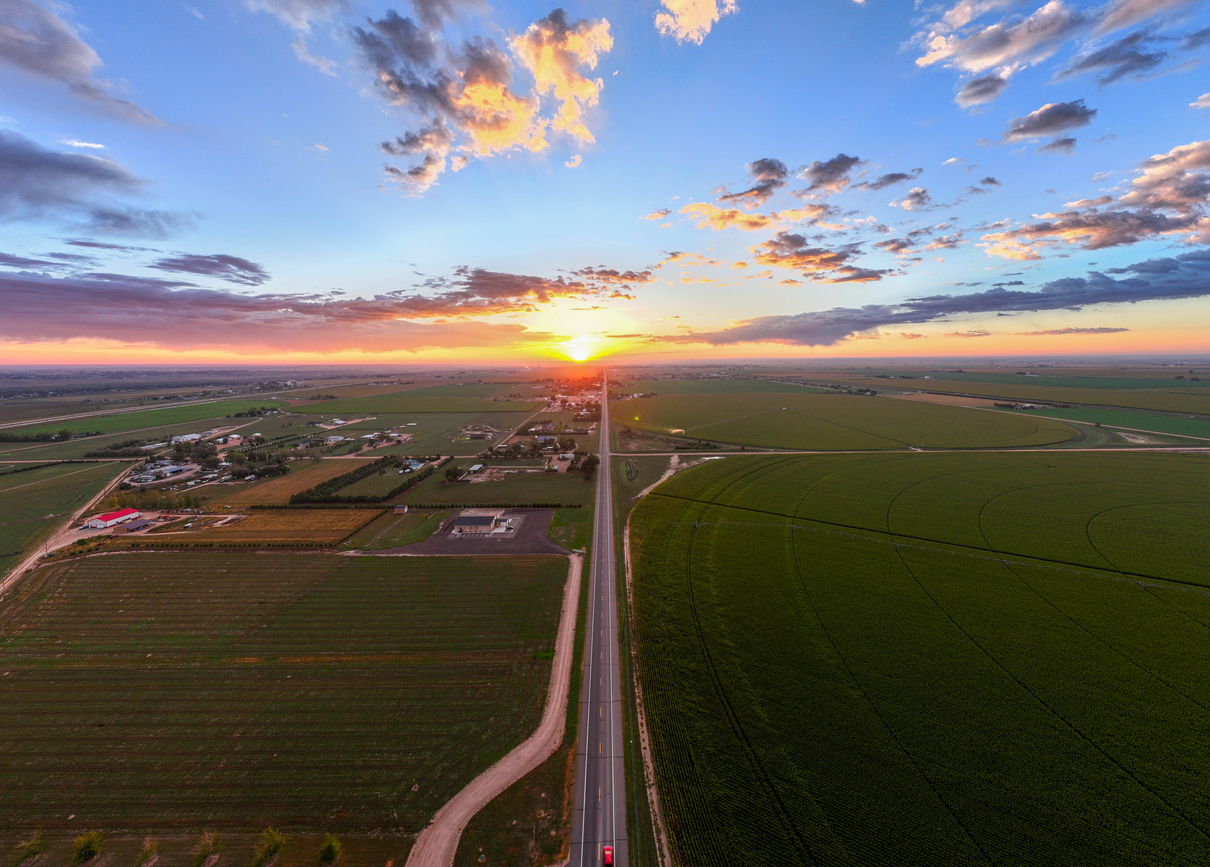
PHOTO: Nebraska land. (iStock-#2256324331 │ redtea)