Improving sorghum silage through hybrid selection and processing
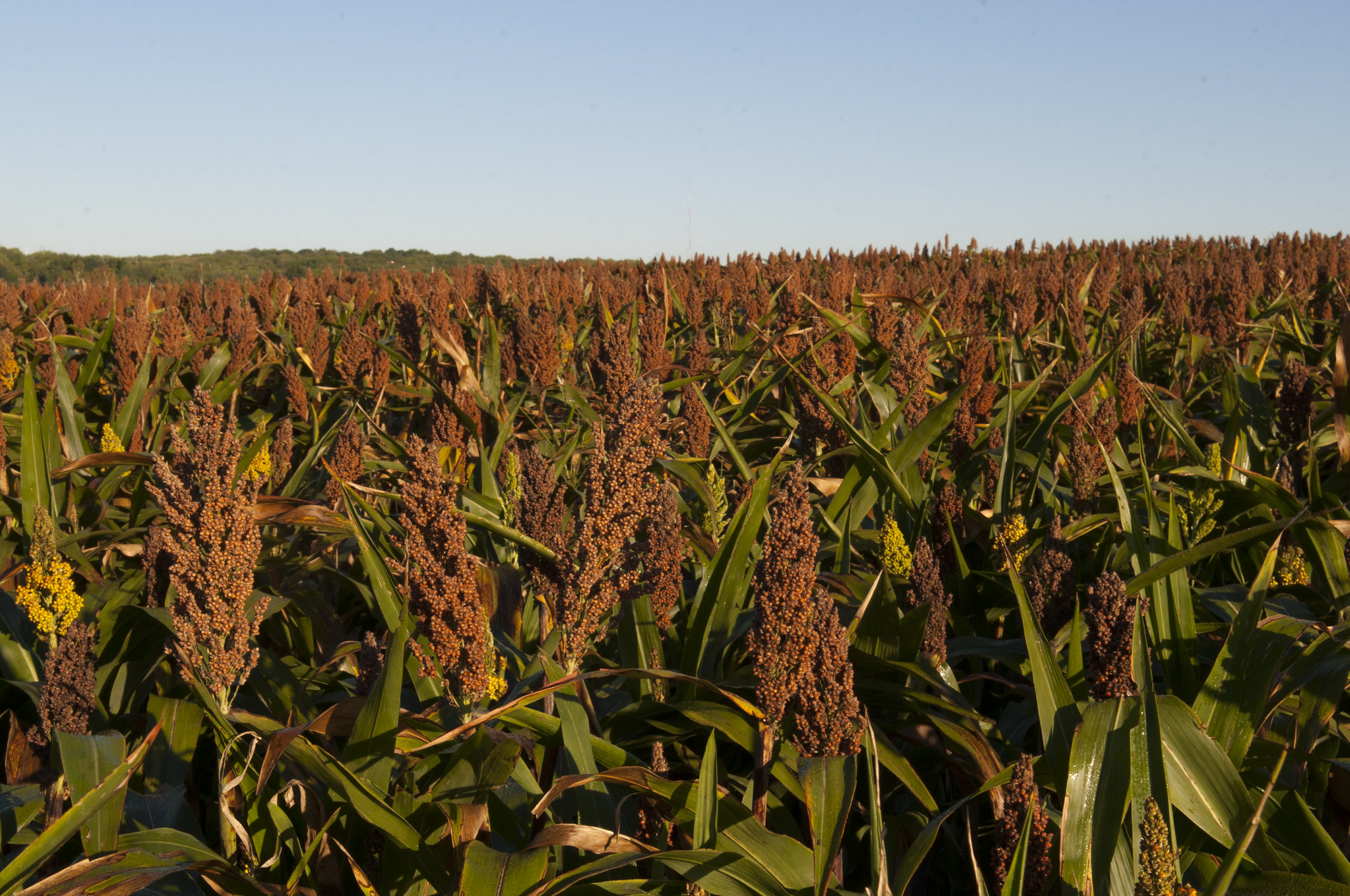
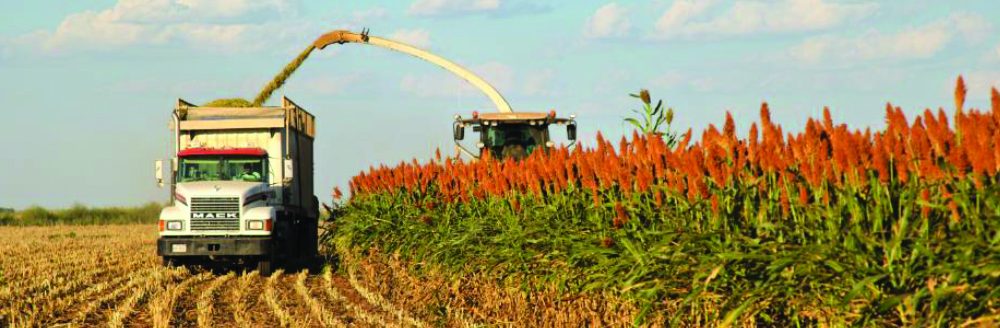
An increasing number of forage and livestock producers are using forage sorghum to meet roughage demands in water-limited environments.
While forage sorghum excels at maximizing limited moisture, resource efficiency alone is not enough to optimize silage performance. Producing high-quality silage under water stress requires deliberate hybrid selection and pre-planned harvest management.
Hybrid selection
To maximize silage performance, producers should match hybrid characteristics to their available water supply, in-season agronomic management and specific end-user goals, including livestock class. Key considerations for improving forage sorghum utilization include:
- Are you targeting forage primarily to fulfill baseline roughage requirements?
- Are you seeking a high-quality forage formulated to fulfill energy demands for weight gain and milk production?
- What is your seasonal well capacity?
- What is your target production window?
- Will your field management strategy include scouting for the sorghum aphid?
- How will the forage be harvested?
Late-maturing forage sorghums have the potential to have greater yield potentials; research trials have demonstrated yields exceeding 11 tons per acre (dry matter basis). However, under drought conditions, limited irrigation, or dryland management, these hybrids can be susceptible to lodging, reduced yields, decreased digestibility and lower starch levels if the field “runs out of water”.
In water-limited environments, early- to medium-maturing hybrids are ideal for optimizing yield and nutritive value while mitigating the risk of moisture depletion. To evaluate forage maturity accurately, consult local data regarding days to half-bloom. Sorghum panicles bloom from top to bottom; a field or panicle reaches half-bloom when approximately 50% of the panicle or 50% of the plants in a field are actively blooming.
Most hybrids reach the soft-dough stage approximately 20 days post-half-bloom, depending on environmental conditions. Properly anticipating half-bloom and thus soft-dough stage is important when planning harvest windows and coordinating with custom chopper schedules.
Maturity Class Days to Half-Bloom
Early <70
Med – Early 70-79
Medium 80-85
Med-Late 86-90
Late 91-100
PS >100
Selecting a hybrid tolerant to the sorghum aphid (formerly known as the sugarcane aphid) provides added crop protection significantly decreasing yield and forage quality losses while reducing chemical input costs and harvest delays. However, under severe pest pressure, genetic resistance may be insufficient and a supplemental insecticide application may be necessary.
Mechanical processing
While harvesting at the soft-dough stage is vital for maximizing berry processing and nutritive value, berry size variations can still present processing challenges. Enhancing rumen starch availability is essential for optimizing forage sorghum utilization.
Recent research conducted by Texas A&M AgriLife demonstrated that larger sorghum berries still escaped processing when using a standard corn kernel processor set to a 2-millimeter roll gap and 19-mm theoretical length of cut, which is standard for corn kernels.
Conversely, utilizing a dedicated sorghum processor equipped with fine corrugations (a 130-tooth roll paired with a 185-tooth roll) successfully processed smaller spherical sorghum berries. Improved processing broke the physical barrier of the sorghum berry’s pericarp, which exposes the starch granules and protein matrix to ruminal microbes and enzymes for improved digestibility.
Maximizing livestock performance requires selecting hybrids adapted to local growing conditions, managing in-season inputs effectively and applying proper harvesting practices to deliver high-quality forage for lactating dairy and beef cattle operations.
Jourdan Bell is the director of agronomy for the United Sorghum Checkoff Program.