U.S. trade pacts announced with two Pacific Rim countries
United States trade agreements with Japan and Indonesia were announced in late July by President Donald Trump.
One of those countries, Japan, has been one of the U.S.’s most dependable trading partners. That deal was announced July 23 and the White House also announced a pact with Indonesia on July 22.
Japan
Japan will invest $550 billion directed by the U.S. to rebuild and expand core American industries, the White House said. The funds, at Trump’s direction, will be targeted toward the revitalization of America’s strategic industrial base in five core areas: Energy infrastructure and production; semiconductor manufacturing and research; critical minerals mining, processing, and refining; pharmaceutical and medical production; and commercial and defense shipbuilding.
As part of the agreement, imports from Japan will be subject to a baseline 15% tariff rate. The White House believes the agreement will help narrow the trade deficit with Japan with an enforceable and transparent trade policy.
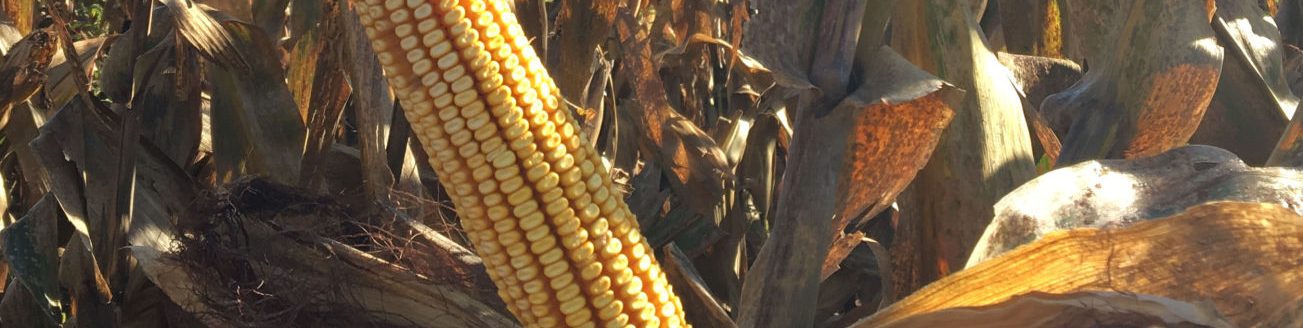
The agreement also calls for increased market access for agricultural producers. Japan will immediately increase imports of U.S. rice by 75% with a major expansion of import quotas. Japan will purchase $8 billion in U.S. goods including corn, soybeans, fertilizer, bioethanol, and sustainable aviation fuel.
The agreement was applauded by U.S. Meat Export Federation and CEO Dan Halstrom.
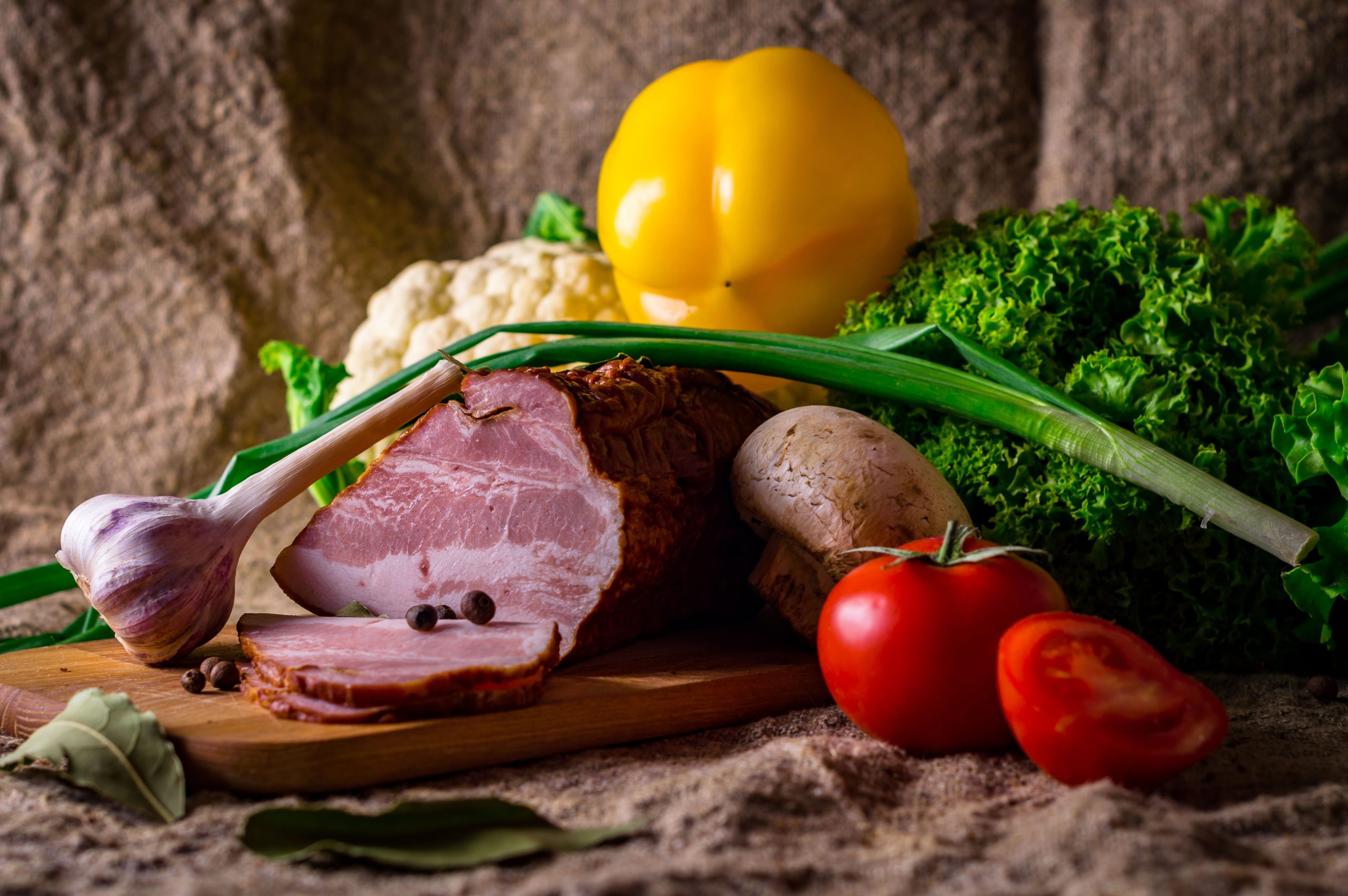
“USMEF greatly appreciates the Trump administration with Japan, reassuring and expanding opportunities in the No. 2 export destination for U.S. beef and pork,” Halstrom said. “In President Trump’s first term, the critical U.S.-Japan Trade Agreement was reached, returning U.S. red meat to a level playing field in Japan reinforcing its position as an extremely reliable market.”
According to the information released by the White House, the new agreement focuses on reinforcing the long-term economic partnership between the two countries, which for decades has delivered tremendous benefits for U.S. livestock and meat industries and for Japanese consumers, importers and customers, he added.
Indonesia
The Republic of Indonesia agreed to a framework for negotiating an agreement on reciprocal trade, the White House announced. That agreement builds on a longstanding agreement that was first signed in 1996.
Indonesia will eliminate an approximately 99% of tariff barriers for a full range of U.S. industrial and U.S. food and agricultural products exported to Indonesia.
The U.S. will reduce to 19% the reciprocal tariff that was started on April 2 on goods originating in Indonesia, and identify certain commodities that are not naturally available or domestically produced in the U.S. for a further reduction in the reciprocal tariff rate.
In the agricultural front, the two countries agreed to address and prevent barriers to U.S. food and agricultural products in the Indonesia market, including exempting U.S. food and agricultural products from all import licensing regimes, including commodity balance requirements. It provides permanent Fresh Food of Plant Origin designation for all applicable U.S. plant products. The agreement recognizes U.S. regulatory oversight, including the listing of all U.S. meat, poultry and dairy facilities and accepting certificates issued by U.S. regulatory authorities.
Halstrom said Indonesia is a market with incredible potential and could mean as much as $250 million annually for U.S. beef.
“But today, exports are minimal due to numerous trade barriers,” he said. “We are encouraged to see that the highlights detailed in the U.S.-Indonesia joint statement include resolving key issues such as import licensing, the commodity balance policy and Indonesia’s onerous plant-by-plant approval process.
“For both U.S. beef and U.S. pork, these longstanding restrictions have limited exports to Indonesia. Indonesian importers and consumers are demanding U.S. red meat, and we look forward to the swift conclusion of these negotiations and expanded export opportunities.”
The White House also announced that Indonesia has agreed to purchase soybeans, soybean meal, wheat and cotton with an estimated value of $4.5 billion.
Dave Bergmeier can be reached at 620-227-1822 or [email protected].