Over the past few weeks, I’ve had a flood of questions about brown lawns. In most cases, the culprit is simple: drought stress from our hot summer weather. However, lawn-feeding insects and fungal diseases are also common this time of year.
Fortunately, you can do a few quick tests to help narrow down the problem.
1. Start with the screwdriver test. Push a long screwdriver into the soil in the brown areas. If it slides in easily, the soil has enough moisture, and drought likely isn’t the issue. If it’s tough to push in, the soil is dry, and your lawn may not be getting enough water.
2. Try pulling up the brown grass if watering isn’t the problem. If it lifts easily, like a loose carpet, insect pests may be feeding on the roots. If the lawn is well-rooted and moist, but still turning brown, it could be a fungal disease.
3. Watch for drought stress. Depending on the temperatures, drought stress usually starts showing up in late June or early July, especially along sidewalks, park strips, and lawn edges where sprinkler coverage tends to be spotty. Weedy plants like creeping spurge, crabgrass, and black medic often take advantage of these dry spots and start popping up.
To repair these areas, you can adjust your sprinkler system to improve coverage, set up a hose-end sprinkler for once-a-week watering, or even consider converting trouble spots into waterwise landscape beds with more drought-tolerant plants.
4. Don’t overdo it. Keep in mind that lawns mowed too short, watered too often, or fertilized heavily tend to have more insect and disease problems. On the flip side, lawns that are mowed high, fertilized a few times a year, and occasionally go a little dry tend to have fewer issues.
5. Watch for insect pests. Some on the watchlist in Utah include billbugs, white grubs, and sod webworms. Webworm damage can occur anytime between spring and fall but tends to be worst in August and September. Grub and billbug damage usually starts showing in mid-July. But unfortunately, once the damage is done, those areas usually need to be reseeded or re-sodded.
If you’ve had pest issues before, applying a preventative insecticide in late May or early June can help. Also, billbugs are less common in fescue or ryegrass lawns, so you may consider those grasses as options.
6. Watch for fungal diseases. Likely summer diseases include ascochyta leaf blight, summer patch, and necrotic ring spot, especially in overwatered lawns or those with a thick thatch layer. If you suspect disease, send a sample to the USU Extension Plant Pest Diagnostic Lab. Accurate diagnosis helps with targeted treatment.
7. Resist spraying broadleaf weed killers—especially products containing 2,4-D or Dicamba. Now is not the time. High temperatures increase the risk of damaging your lawn or nearby plants like tomatoes and grapes. If you must spray, do it in the evening and limit it to small areas.
8. Try general prevention tips. These include hollow core aerating each fall or spring to loosen the soil and reduce thatch, choosing grass varieties resistant to common diseases like necrotic ring spot, and avoiding excessive thatch and watering.
For more information or help diagnosing your lawn, contact your local USU Extension office or visit garden.usu.edu.
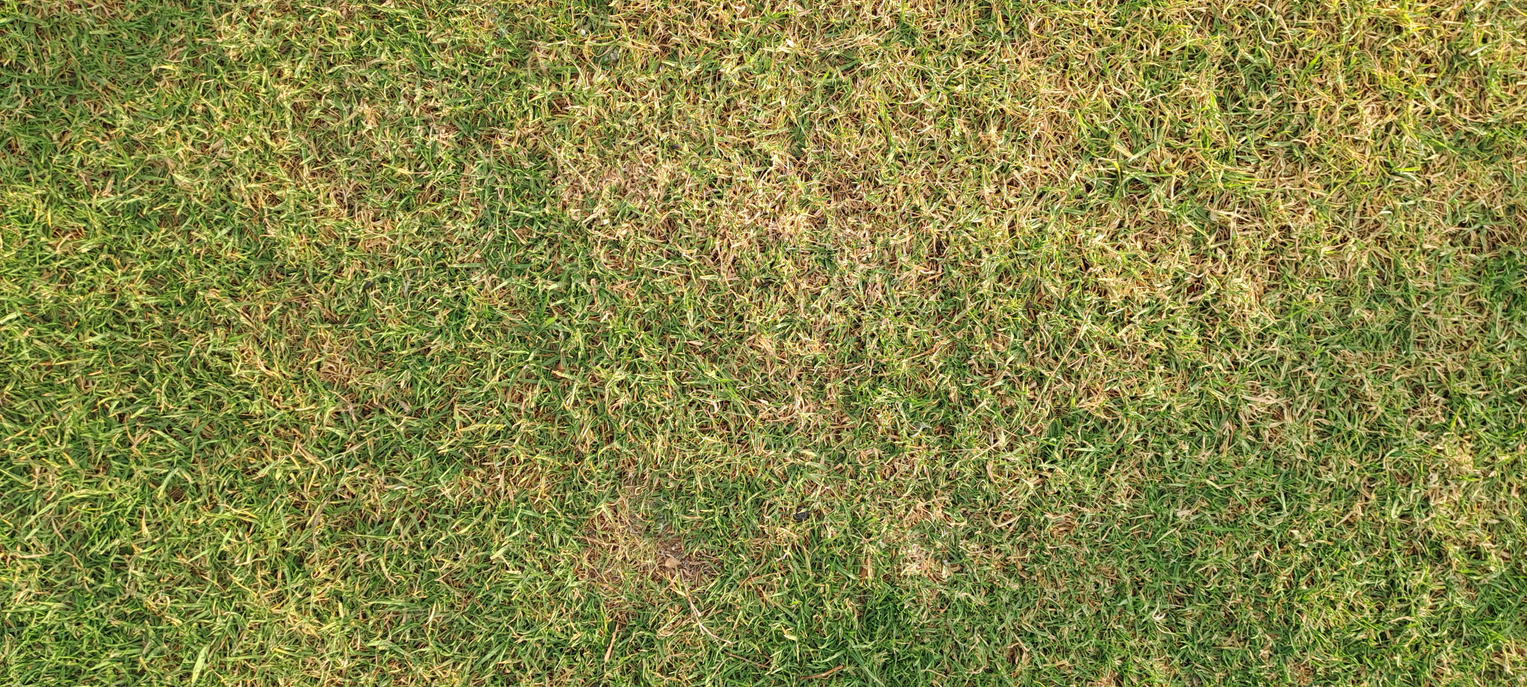
PHOTO: Dry grass texture showing dehydration and damage during drought, needing water and care. (iStock │ #2216969856 – Adil bouimama)