Animal protein: My answer to gestational diabetes
Preparing for a new baby is an exciting time for expectant mothers and their families. My husband and I have a 15-month-old son, and we will be welcoming a daughter in December.
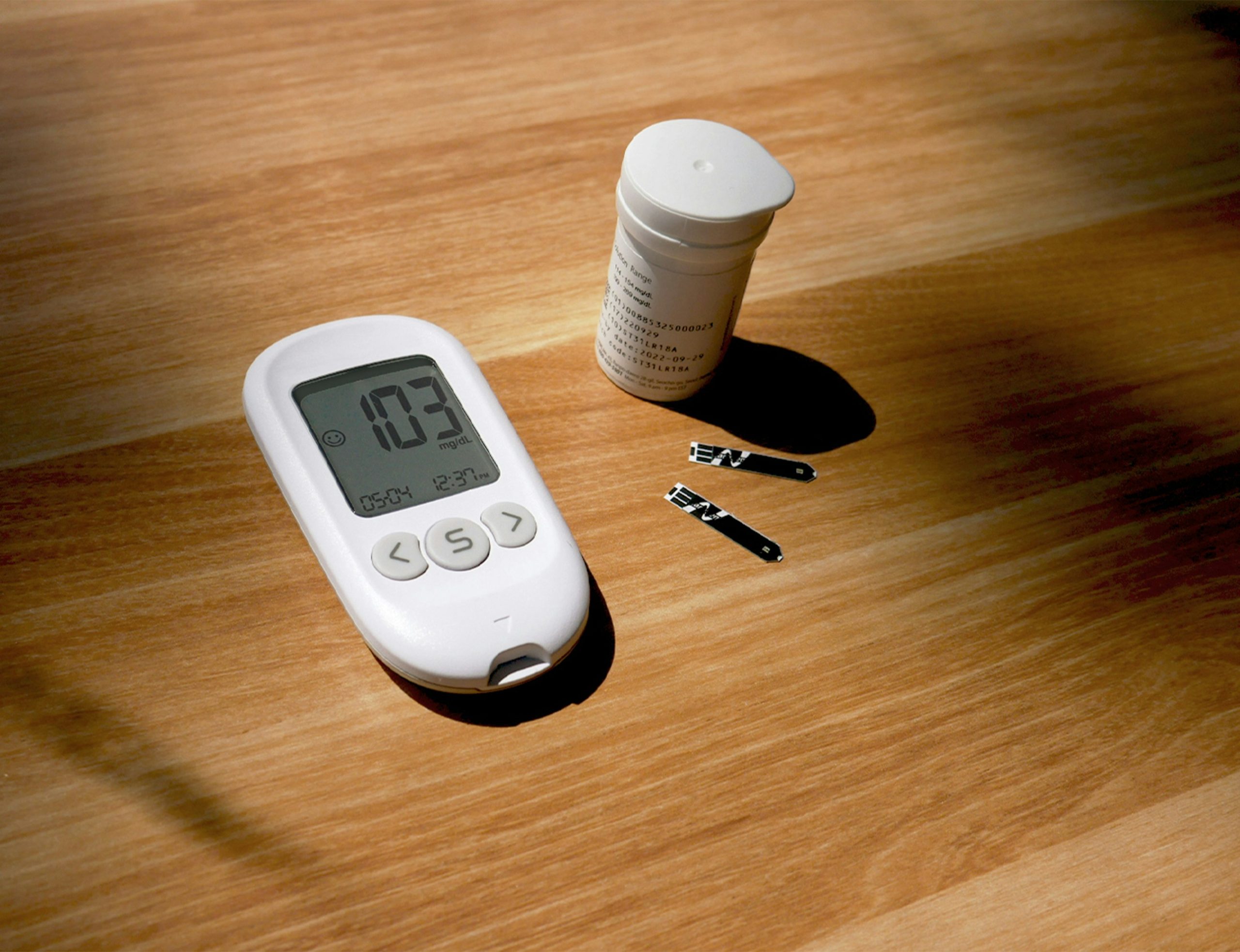
This pregnancy is going swimmingly just like the last, except I’ve hit the 24-week mark, which is around the time when pregnant women take a glucose test, which checks for gestational diabetes. I had it in 2024 when I was pregnant with my son, the diagnosis was a shock.
GD is usually a temporary condition that can develop during pregnancy and causes high blood sugar in the mother and baby. It is caused by hormones produced by the placenta, that can lead to insulin resistance.
According to the Centers for Disease Control and Prevention, about 8% to 10% of pregnant women will develop GD. Women who have had the condition have a 50% chance of being diagnosed with it again in subsequent pregnancies.
There are several reasons GD is dangerous for mother and baby, but the most significant concern is that it can lead to larger babies, increasing the risk of shoulder dystocia during delivery, which can become a life and death situation for the child.
Pregnant women who are diagnosed with GD are put on a strict, low carb, low sugar diet and encouraged to eat a high protein, high fiber, healthy fat diet, and exercise to balance blood sugar. In severe cases, expectant mothers can be prescribed insulin to regulate blood sugar if diet changes are not enough.
Believe me, going from a happy pregnant woman who is eating for two and acting on strong cravings—especially the fast food or ice cream type—to cutting out carbs and sugar feels like a death sentence. Last year I cried to my obstetrician saying, “I wasn’t cut out to eat quinoa and salad” and I feared I would starve until the baby was born.
Now, it’s that time again, and looking at the statistics, I’m expecting to have GD with my daughter. Scheduling a glucose test when you’ve failed it multiple times in a previous pregnancy is like agreeing to take a polygraph when you committed the crime. Put the handcuffs on and take me away: I’m guilty!
However, I’ve reflected on my first pregnancy, and I know what to expect. I was able to control my condition with diet changes, although it was difficult to stay away from some of my favorite foods. With this second pregnancy I know what to eat, what to avoid and I know I can do this.
The biggest takeaway I can share from my experience with GD is that protein is your best friend. Beef, pork, chicken, eggs, and cheese—with a helping of vegetables—are some of the best foods you can eat with this condition. Looking at this list, the diet doesn’t sound so bad, right?
These are all staples of animal agriculture, and they just happen to be foods I love to eat. It’s common knowledge these animal proteins are all excellent pieces to a balanced diet and offer numerous health benefits such as vitamin B12, iron and zinc. They also provide nine essential amino acids the human body cannot produce by itself.
Although both animal and plant proteins are valuable in a human diet, experts agree animal proteins are generally more easily absorbed by the human body than plant proteins. Additionally, meat usually contains a higher protein per serving than plants, so we can eat less of it to meet our protein requirements. Example: a 6-ounce sirloin steak contains about 40 grams of protein, while a 1-cup serving of raw spinach only contains between 1 and 3 grams.
Although I will miss potatoes, sweets and carbs, I just have to take a little vacation from that side of the food pyramid until the baby is born. Instead, I’ll switch them out for whole grain alternatives or vegetable substitutes.
If I’m just dying for a French fry or something sweet, the only way to get away that is by eating a high protein snack at the same time. My go-to quick protein favorites are beef jerky, cheddar or a hard-boiled egg. If it’s not a large portion of carbs or sugar, the protein will balance out my cheat treat and should not result in a significant rise in blood sugar.
These animal proteins are necessary for the human diet, and for women with GD, they are some of the best solutions to managing a condition that can become life threatening for babies during labor. For me, beef, pork, poultry, and dairy were my saviors when I got my diagnosis last year, and they allowed me to still enjoy food even on a diet. If I fail the glucose test, I know these trusty proteins will carry me through the rest of my second pregnancy.
I’m not scared of the third trimester without cake, white bread, or potato chips, because I’ve got steak, bacon, and all the cheese I want on my plate. I’ll be just fine, and so will my baby, thanks to the incredible nutrition and protein content of the animals raised on farms and ranches across the world. It’s a great day to be a pregnant carnivore!
Lacey Vilhauer can be reached at 620-227-1871 or [email protected].