Whole foods and proteins advocated in dietary menu
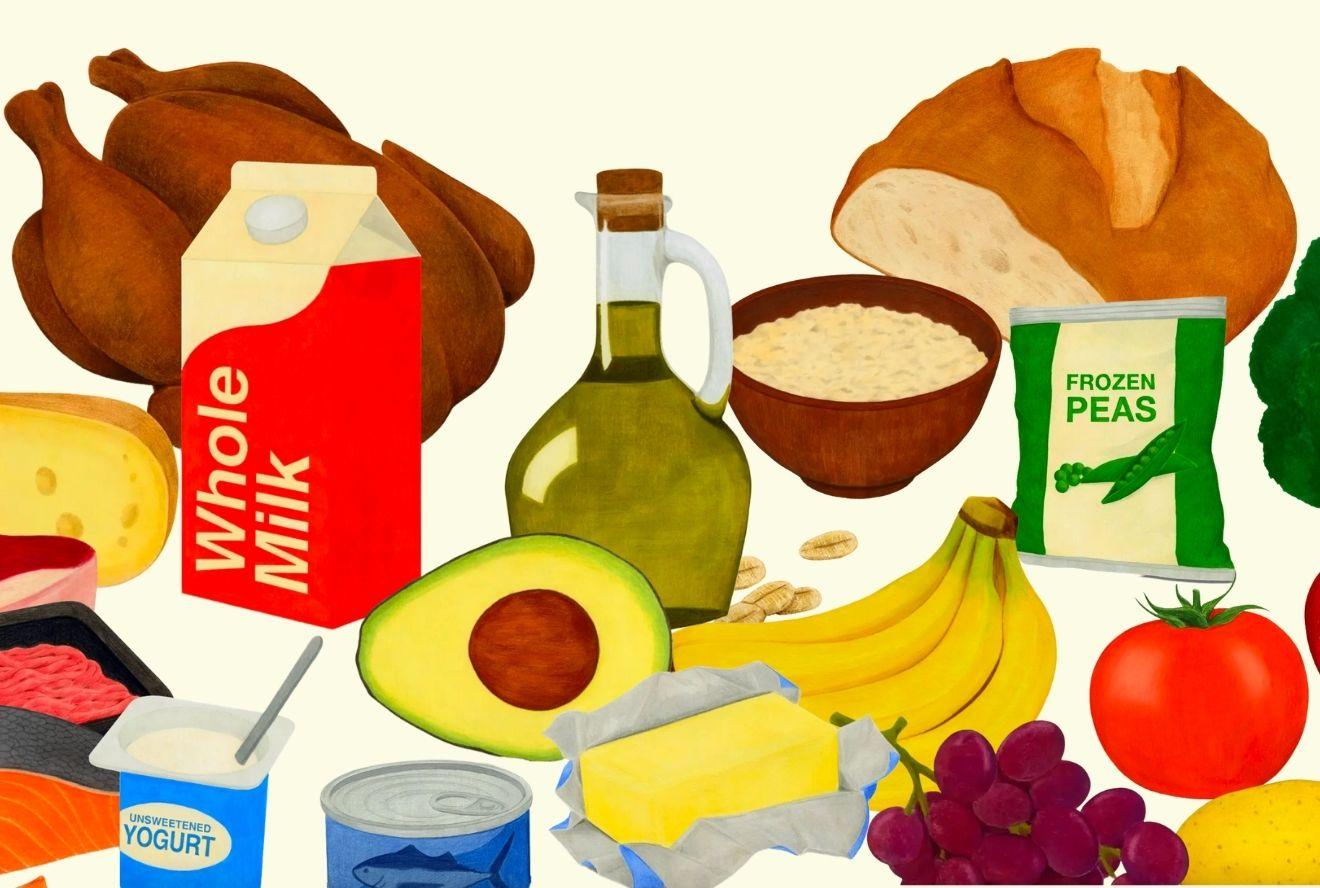
New dietary guidelines unveiled Jan. 7 by the Trump administration urges Americans to eat more whole foods and protein.
The new United States Dietary Guidelines call for prioritizing high-quality protein, healthy fats, fruits, vegetables, and whole grains—and avoiding highly processed foods and refined carbohydrates. The 2025-2030 guidelines were announced by Health and Human Services Secretary Robert F. Kennedy Jr. and U.S. Department of Agriculture Secretary Brooke Rollins.
The U.S. faces a national health emergency, according to the news release. Nearly 90% of health care spending goes toward treating chronic disease, much of it linked to diet and lifestyle, it said. More than 70% of American adults are overweight or obese, and nearly 1 in 3 adolescents has prediabetes. Diet-driven chronic disease now disqualifies many young Americans from military service, threatening national readiness and limiting opportunity. The above graphic was courtesy of USDA.
“These guidelines return us to the basics,” Kennedy said. “American households must prioritize whole, nutrient-dense foods—protein, dairy, vegetables, fruits, healthy fats, and whole grains—and dramatically reduce highly processed foods. This is how we Make America Healthy Again.”
The guidelines are the base to dozens of federal feeding programs and the announcement as the first step in making sure school meals, military and veteran meals, and other child and adult nutrition programs promote affordable, whole, health, and nutrient-dense foods.
“At long last, we are realigning our food system to support American farmers, ranchers, and companies that grow and produce real food,” Rollins said. “Farmers and ranchers are at the forefront of the solution, and that means more protein, dairy, vegetables, fruits, healthy fats, and whole grains on American dinner tables.”
The Dietary Guidelines are a whole food framework intended to be customized to individuals and families, and their needs, preferences, and financial status. The guidance provides possibilities across all recommendations.
For example, in proteins, options such as chicken, pork, beans, and legumes; a larger variety of dairy products, at all price points, including whole milk and full-fat dairy products; fresh, frozen, dried, and canned fruits and vegetables, from beets to strawberries, carrots to apples; and whole grains. Paired with a reduction in highly processed foods laden with refined carbohydrates, added sugars, excess sodium, unhealthy fats, and chemical additives, this approach can change the health trajectory of America.
The guidance calls for receiving the bulk of fat from whole food sources, such as meats, poultry, eggs, omega 3-rich seafood, nuts, seeds, full-fat dairy, olives and avocados. When cooking with or adding fats to meals, the guidelines call for using the most nutrient-dense natural opertions with essential fatty acids, such as olive oil.
The guidance takes a firm stand to “prioritize fiber rich whole grains” and “significantly reduce the consumption of highly processed, refined carbohydrates, such as white bread, ready-to-eat or packaged breakfast options, flour tortillas, and crackers.”
Ag groups comment
The National Cattlemen’s Beef Association welcomed the news. The updated guidelines nearly double the recommended daily amount for protein intake, increasing it to 1.2 to 1.6 grams per kilogram body weight, depending on your age group and individual caloric needs, the NCBA statement noted. Red meat is specifically mentioned as a healthy source of protein in a varied and balanced diet.
“As Americans face the double burden of being overfed and undernourished, they are searching for reliable, affordable solutions to meet their nutritional needs and personal preferences,” said Shalene McNeill, executive director of nutrition science for NCBA. “Incorporating beef in the diet can help support the overall health and well-being for all Americans.”
National Milk Producers Federation and CEO Gregg Doud noted the guidelines call for three servings of dairy for Americans, the recognition of dairy’s benefits at all fat levels and dairy’s prominence in diverse diets. He noted a scientific report that reducing or eliminating dairy from the diet leads to under nourishment in key nutrients for millions of Americans.
“These guidelines encourage consumption of dairy nutrients critical to human health,” Doud said. “Meanwhile, not all fats are created equal, and because the guidelines acknowledge this, dairy benefits are better reflected in this iteration of the guidelines. Now that the guidelines are out, the federal government will begin applying them across federal programs.”
“America’s pork producers appreciate the 2025 Dietary Guidelines putting pork front and center on the plate. They took note of producer concerns and rightly gave pork and other high-protein, nutrient-dense, and delicious meats their due when it comes to Americans’ health and dietary habits,” said Rob Brenneman, NPPC president-elect and pork producer from Washington, Iowa.
NPPC has long advocated for sound science, including how the Dietary Guidelines are developed. The “upside down” pyramid released by the administration encourages consumers to feel good about eating and enjoying their protein as part of a healthy, balanced diet.
The International Fresh Produce Association appreciates the continued recognition of fruits and vegetables as central to healthy dietary patterns and the administration’s focus on reversing diet-related chronic disease.
“Scientific evidence consistently shows that fruits and vegetables should make up the majority of what people eat,” IFPA Vice President of Nutrition and Health Mollie Van Lieu said.
The 2025–2030 Dietary Guidelines for Americans reaffirm fruits and vegetables as a foundation of healthy eating, calling for Americans to consume a variety of colorful, nutrient-dense produce throughout the day as part of a diet centered on “real, whole foods.” The guidelines recommend three servings of vegetables and two servings of fruits per day for a 2,000-calorie dietary pattern and clearly distinguish naturally occurring sugars in whole fruits from added sugars.
Concerns expressed
The new guidelines highlight the importance of increased protein consumption, including plant-based proteins such as soy-based foods, according to the American Soybean Association. They also emphasize prioritizing healthy fats, including oils rich in essential fatty acids like soybean oil. However, the report’s addenda continue to call into question the process of soybean oil extraction, which is scientifically proven to be safe for human health.
“Soybean oil and soy protein play a critical role in the health and nutrition of Americans. U.S. soybean farmers are proud to grow a heart-healthy and high-protein crop that can feed the country and the world,” said ASA President and Ohio farmer Scott Metzger. “ASA appreciates that the 2025-2030 Dietary Guidelines for Americans acknowledge the importance of soy as part of a well-balanced diet, but we remain deeply concerned by the rhetoric and selectively cited studies regarding the health and safety of soybean oil in DGA supporting material. We look forward to continuing our work with the administration as we educate MAHA Commission leadership on the health benefits of soy-based foods and soybean oil.”
The National Wheat Growers Association said the continued recognition of whole grains was a plus in the guidelines.
“However, we are concerned that some portions of the new guidelines around grains and wheat are unintentionally confusing,” said Sam Kieffer, CEO of NAWG. “Wheat, wheat flour and foods made from wheat have been nutrient-rich, life-sustaining staples for tens of thousands of years and deserve clear, continued support as a central part of our nation’s diet. We look forward to working with Secretaries Rollins and Kennedy to ensure nutritious, affordable grains remain accessible to all Americans.”
Dave Bergmeier can be reached at 620-227-1822 or [email protected].