Cattle on feed report shows drop of 3% in feedlot inventory
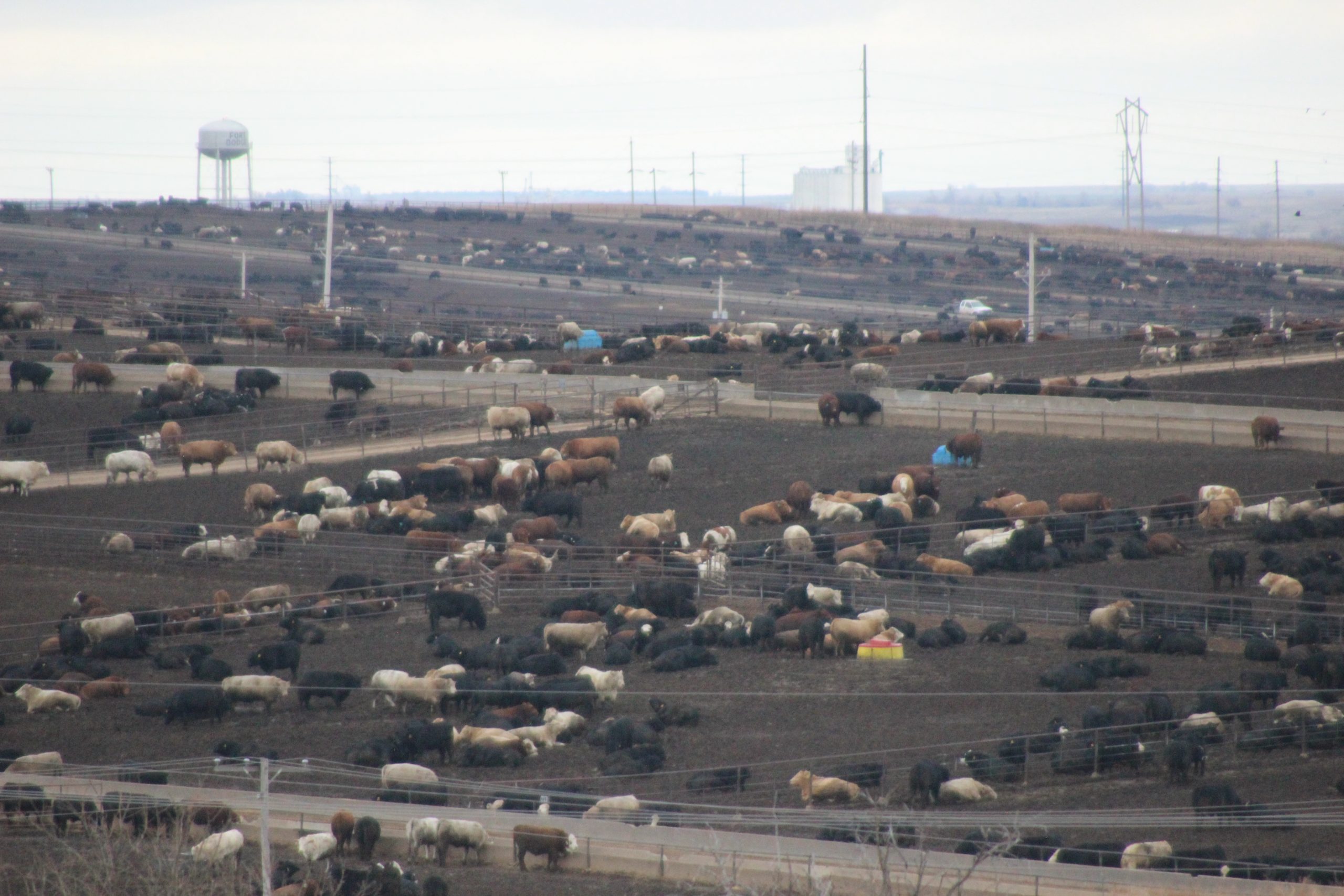
The United States cattle on feed report showed a 3% drop in inventory for feedlots with a capacity of 1,000 or more head.
The U.S. Department of Agriculture’s National Agricultural Statistics Service put the inventory count at 11.5 million head on Jan. 1. A year ago it was 11.82 million head. The report was released Jan. 23, the first of two important reports as the upcoming cattle inventory report is set to be released Jan. 30.
The inventory included 7.02 million steers and steer calves, which was down 3% from the previous year. That group accounted for 61% of the total inventory. Heifer and heifer calves accounted for 4.44 million head, which was also down 3% from the previous year.
The cattle on feed numbers were not a surprise to Glynn Tonsor, a professor in the department of agricultural economics at Kansas State University.

While some observers might think the decline in the heifer count could be a sign of rebuilding the herd, Tonsor said it is too early to make that prediction.
“We need to see a decline in the percentage of placements that are heifers for an extended time before stating the rebuilding has begun,” Tonsor said.
Nebraska had 2.62 million head as of Jan. 1, 2026, compared to 2.58 million the previous year. Kansas had 2.39 million head to start the year, compared to 2.4 million the previous year. Iowa reported 680,000 head, compared to 650,000 head the previous year.
Two southern state experienced significant decline in inventories when looking at Jan. 1, 2026, compared to Jan. 1, 2025.
Texas had a 9% decline with an inventory count. The Lonestar State had 2.53 million head compared to 2.78 million head a year ago. Oklahoma experienced a 10% decline with 325,000 head, compared to 360,000 head a year ago.
Tonsor said those declines are an indication of the impact of the New World screwworm. The U.S. has not imported cattle from Mexico since late 2024.
“The reduction in Mexican feeder cattle imports disproportionately impacts the Southern Plains,” he said.
Another notable drop was in Colorado that showed a count of 890,000 head, compared to 1.05 million head the previous year.
Cattle on feed is defined by NASS as steers and heifers fed a ration of grain, silage, hay and/or protein supplement for the slaughter market and produce carcasses that will grade Select or better. It excludes cattle defined as being “backgrounded only” for later sale as feeders or later placement in another feedlot.
Tonsor’s advice to feedlot operators is to stay on top of all aspects of management.
“Know your evolving cost of production and associated break-evens,” Tonsor said. “Updating this to reflect partially full rather than nearly full inventories will be particularly important in 2026.”
Placements in feedlots in December totaled 1.55 million head, which was 5% below 2024’s mark. Net placements were 1.5 million head. During December, placements of cattle weighing less than 600 pounds were 365,000 head, 600 to 699 pounds were 360,000 head, 700 to 790 pounds were 355,000 head, 800 to 899 pounds were 274,000 head, 900 to 999 pounds were 115,000 head, and 1,000 pounds and higher were 85,000 head.
Placements are steers and heifers put into a feedlot, fed a ration that will produce a carcass that will grade Select or better, and are intended for the slaughter market.
Marketing of fed cattle during December totaled 1.77 million head, which was 2% above 2024. Those are steers and heifers shipped out of feedlots to a slaughter market.
Dave Bergmeier can be reached at 620-227-1822 or [email protected].