Florida squashes rumor that NWS has spread within the state
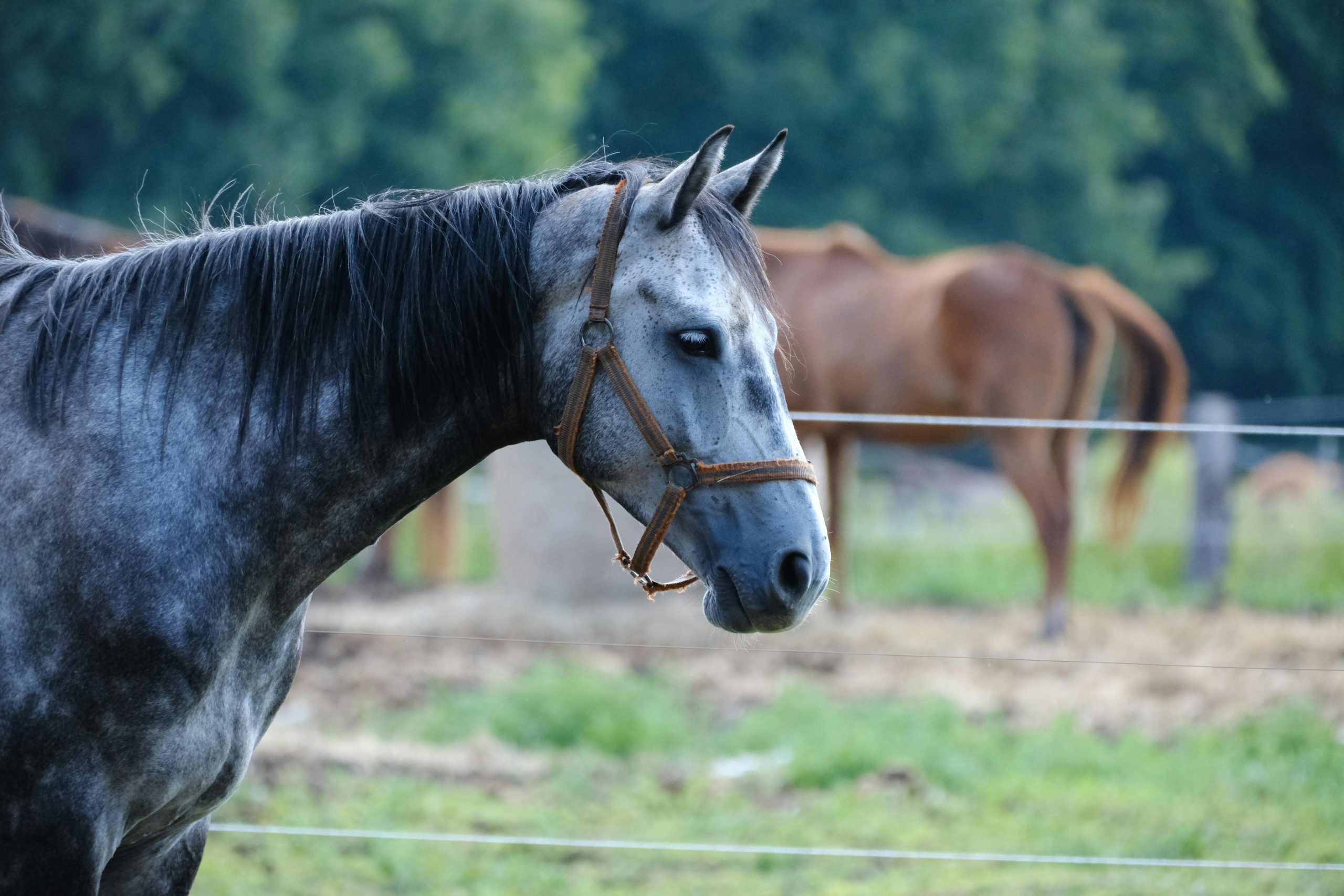
On Jan. 30, the U.S. Department of Agriculture confirmed the detection of New World screwworm within a secure USDA quarantine facility. The positive case was in a horse from Argentina, which underwent a routine importation examination while at a quarantine facility in Florida.
The animal presented with an open wound and larvae were observed within it. USDA’s Animal and Plant Health Inspection Service officials collected samples of the pests and shipped them to the National Veterinary Services Laboratories in Iowa for official identification, and it was determined the equine was infected with NWS.
USDA indicated the animal was treated to kill the larvae and although no other animals at the facility were determined to be infected, they were kept under quarantine as a precaution. The infected animal is recovering and will be re-examined before it is safe to be released from the facility.
USDA officials do not believe the case was connected to the ongoing NWS outbreak in Mexico that has caused concern the last few years. However, the presence of this pest in other countries underscores the fact it has spread to other areas and could be a threat in those locations. USDA officials say this case highlights the precaution the U.S. government is taking to prevent NWS from being unleashed in America.
On Feb. 3, the Florida Department of Agriculture and Consumer Services released a statement after rumors had spread that NWS had been detected in Florida livestock. The department assured producers the positive horse case was at a quarantine facility and USDA protocols had successfully identified it and prevented NWS from being spread to livestock in the state.
“There is no detection of New World screwworm in any Florida animal,” said Dr. Michael Short, DMV, Florida state veterinarian. “The detection at the USDA import facility was handled professionally and per existing protocols to ensure the U.S. remains free of this devastating pest. Due to the ongoing screwworm outbreak in Central America, I encourage all Floridians to remain vigilant and report any unusual maggot cases in a live animal.”
Florida Commissioner of Agriculture Wilton Simpson reiterated that USDA screening procedures are working to protect the U.S. from NWS and his office fully understands the devastation it would cause if this pest was entered the American livestock industry.
“We are vigilant and proactive in the state of Florida,” Simpson said. “Agriculture is a critical industry that employs more than 2 million Floridians and is the second-largest driver of our state’s economy. I would encourage people to focus on the facts and look beyond misleading headlines and social media posts.”
Lacey Vilhauer can be reached at 620-227-1871 or [email protected].