A friend of mine recently posed a question online that was worthy of expanding upon—“Why is all the discussion about increasing the U.S. cattle herd when the profitability is at this level?”
I love the question because too many times we just go about repeating the rhetoric we hear instead of stopping ourselves to ask why? Why do we follow any trends? Are they best for the United States consumer? Are they best for the farmer/rancher? And, most importantly, are they best for the eco-system we are the stewards of?
I believe it is vital to rebuild the ruminant herd.
We could go back thousands of years and research the consumption of beef and ownership of cattle. For all practical purposes, it is once again the story of the haves and have-nots. The U.S. beef industry contributed to the equation by making beef affordable for all American citizens. Just as a quick reminder, before the Civil War, we were a Porkopolis nation. The drovers of Texas, bringing 6 million head of cattle north after the Civil War and enabled the change. It was the Chicago meat companies that figured out how to process and distribute the beef to the people.
I am going to benchmark 1940 for a couple of reasons. The Great Depression and the Dust Bowl all left their footprint on the future of food production and while so many policy actions in the 1930s got us into the situation we are in today, it was the 1934 Taylor Grazing Act that had the greatest impact on grazing livestock.
In 1940, the total inventory of cattle (including calves) in the U.S. was roughly 66.5 million head. This figure includes all classes of cattle: Beef cows, dairy cows, heifers, steers and calves. The sheep inventory, in the same year, reached a historical peak of approximately 50 million head (specifically reported as 50 million sheep and lambs). This represented the highest sheep population in U.S. history, driven by strong demand for wool and lamb/mutton production during the pre-World War II era.
Just to flash to today’s numbers, the U.S. Department of Agriculture reports roughly 86 million head of cattle and less than 5 million total sheep. I have said the beef industry is poised to follow the sheep industry and lose the entire infrastructure that once flourished in the U.S. Have you priced a lamb chop in your local grocery store lately? First, you have to be able to find a lamb chop in your local grocery store and if you do, it’s most likely not from the U.S.
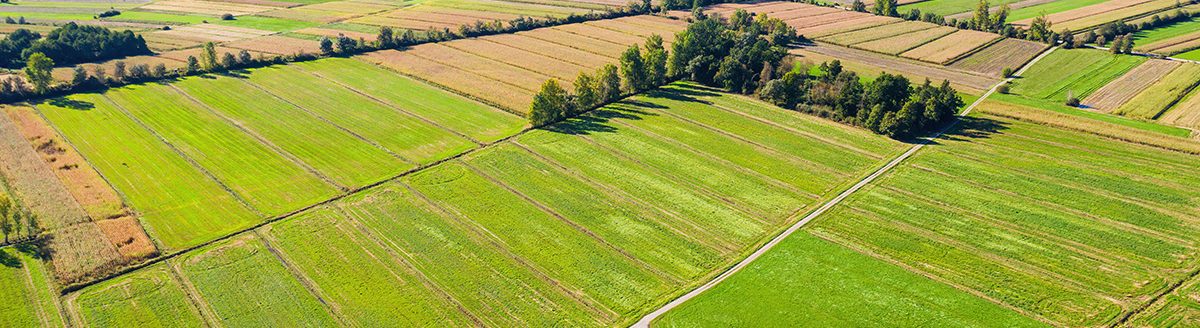
The U.S. is made up of about 2.3 billion acres of land and of the agricultural land, over half of it is not suitable to be farmed, but grazing animals can consume the cellulose material from that land and upcycle it into the most nutrient dense source of protein on the planet. That is where my largest concern exists.
Again from the USDA, U.S. grazing lands are experiencing a significant long-term decline, with an average annual loss of 2 to 2.5 million acres of grassland in recent years. While the total U.S. grazing land area was approximately 805 million acres (about 35% of total U.S. land) in 2017, this represents a sharp decrease from the more than1 billion acres recorded in 1949.
Much of the lost grassland has been converted to cropland, urban development or energy infrastructure. Historically, between 1850 and 1950, grasslands west of the Mississippi River declined by 260 million acres, largely due to conversion to cultivated cropland.
The data shows that the acceleration since 2017 has resulted in another 27% reduction in available grazing acres.
Cattle production has been the most important U.S. agricultural commodity for many years. In 2024, U.S. cattle production represented about 22% of the $515 billion in total cash receipts for agricultural commodities.
That all leads to the grazing “drought” affecting the cow herd inventory. Instead of a rainfall drought, it is a drought of common sense in DC regarding farm policies, in my opinion. Since the 1996 farm bill, land in farms has declined by 75 million acres, with 88% of this decline occurring in pastureland rather than cropland. This shift correlates with the growth in confinement animal production, which requires less grazing acreage.
These numbers should be a wake up to call to those who care about the future of domestic food supply as a means of national security. The nation who led the way in using the cow to feed the masses is now the largest beef importer in the world
In 2026, the nation will consume nearly 20% of its beef from imports as the level surges to a record-breaking 6.1 billion pounds of foreign beef flooding the food chain. 2026 will mark the second consecutive year with record beef import numbers.
How does that bode for national security? It looks to me like justification for rebuilding the struggling beef cow numbers and leaving the grasslands as they were intended instead of tearing them up with taxpayer subsidies.
We can either feed our own nation, and perhaps others as well, or we can go the way of the European nations and look to someone else for our food supply. It seems no more difficult
than shutting down a few processing plants and signing a deal with Venezuela and soon we will be at their mercy for our Father’s Day ribeye.
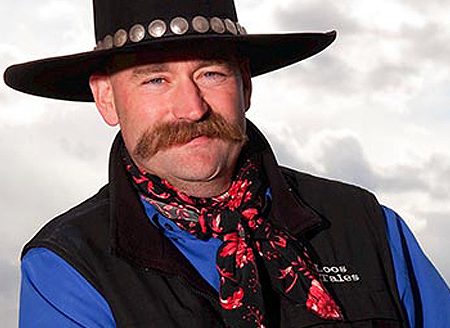
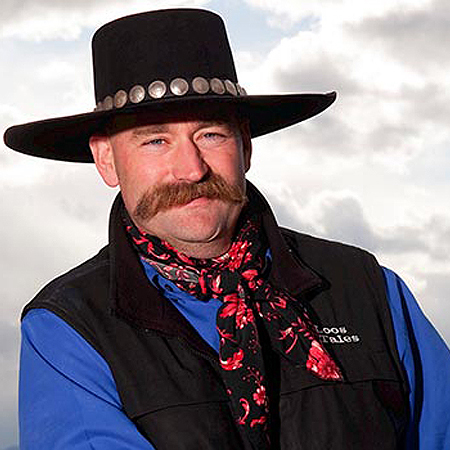
Editor’s note: The views expressed here are the author’s own and do not represent the view of High Plains Journal. Trent Loos is a sixth generation United States farmer, host of the daily radio show, Loos Tales, and founder of Faces of Agriculture, a non-profit organization putting the human element back into the production of agriculture. Get more information at www.LoosTales.com or email Trent at [email protected].
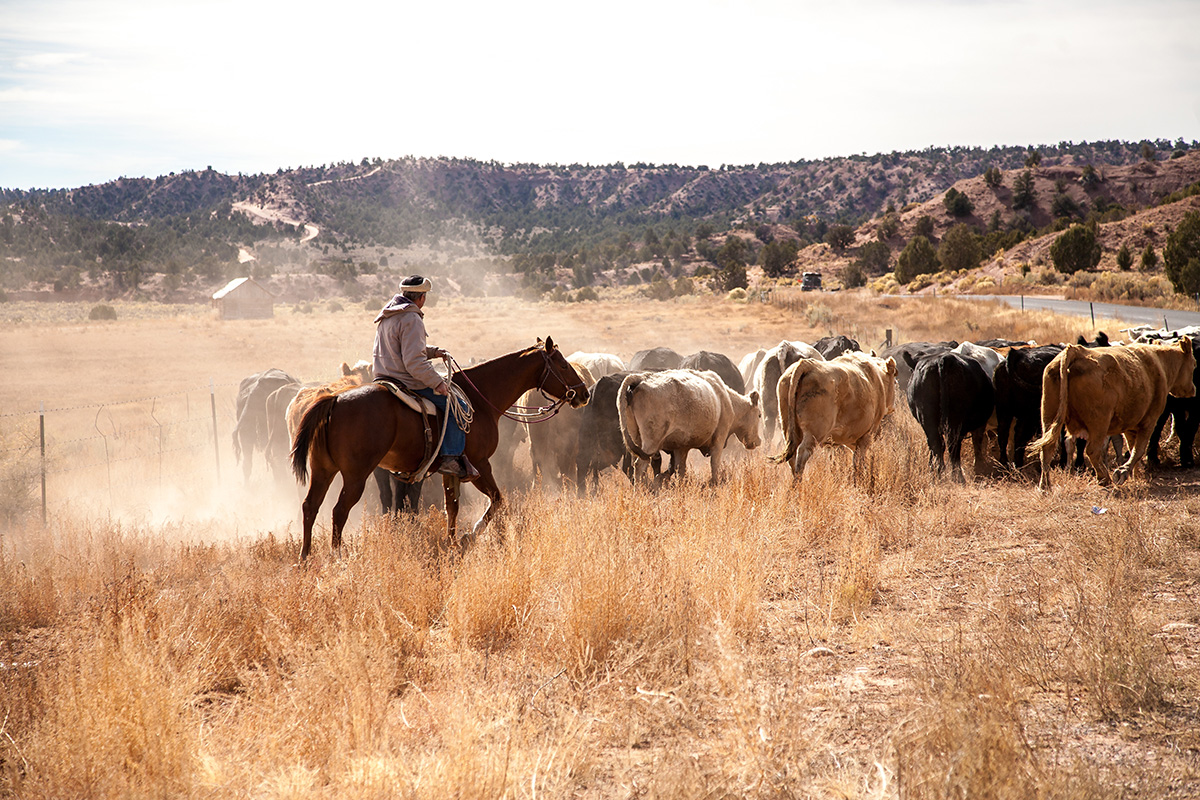
PHOTO: A lone cowboy is moving a small herd of cattle to a greener pasture, near Hatch, UT. (Photo: Adobe Stock │ #366190283 – Bob)