Back to school: Americans shopping earlier this year to save money and spread expenses

The National Retail Federation reported in mid-July that American families have gotten a head start on back-to-school shopping this year in hopes of saving a few dollars at the checkout stand.
The Washington D.C.-based group said affordability is a concern for American families, as well as a top priority for retailers.
Kansas State University family systems specialist Elizabeth Kiss says families are wise to start back-to-school shopping early. Doing so, she says, helps them find the best deals, and spread out spending over several paychecks.
Listen to an interview by Jeff Wichman with Elizabeth Kiss on the weekly radio program, Sound Living
Kiss offered some tips on helping families stay within their budget when shopping for back-to-school items.
Restock, Replace, Refresh
Some items left from last school year may still be useful this year, said Kiss, who suggests starting by shopping around the home. “Take stock of what you need, in terms of clothing, shoes, back-to-school supplies, technology and other items,” she said. “Shop your closet; look to see what might be passed down to the next younger child. For clothes, you can shop the ‘gently-used’ stores or garage sales or places like that.”
Start early and compare prices
“You should comparison shop for anything, really, but definitely for back-to-school items,” Kiss said. In addition to comparing between local businesses, consumers may find deals online – though delivery costs may chip away at the savings.
Starting early also helps families spread expenses between multiple paychecks. “There are surveys that indicate consumers do not feel pressured (spreading out purchases),” Kiss said, “and the reason is because they’re confident that there will continue to be sales in the future.”
“That’s why if you start paying attention to prices now, you’ll know later on if there is a really good price and that you need to act on that.”
Now? Or Later?
Making a budget and sticking to it is a common-sense way to avoid over-spending, Kiss said. “I’m a strong advocate for figuring out what you need immediately and focusing on that. That way, if you’re starting now, you still have a few days or weeks to shop and get the best deals and think about where you’re going to purchase these items from.”
Thinking ahead to next year, parents may also make a plan to begin buying back-to-school items in spring or early summer to spread out the expenses.
Communicate with children
Parents often give in to buying more expensive items because they want their children to have good things. However, name brands may not be better than generic brands, particularly when it comes to clothing, shoes and other items.
“That’s just a place to have a conversation with your child,” Kiss said. “It’s really about trade-offs; I think it’s never too early to talk to kids about trade-offs.”
Parents should also have honest conversations with children about such things technology, extracurricular activities, driving, and whether they will pack their own lunch or eat at school – among other items.
“Talking about money can be really hard, and talking about money with older children is hard for a lot of (unique) reasons,” Kiss said.
“But, you know, children are very resilient, and I feel like we may be doing them a disservice by not being honest with them. If we say, ‘look, this is the money we have and this is how we were thinking about spending it,’ then that all to the good. When they get older, they’ll also be able to think through these types of money decisions.”
More information on stretching a family budget and planning for regular expenses is available in a series of extension publications under the heading, When Your Income Drops. The publications are available online from the K-State Research and Extension bookstore.
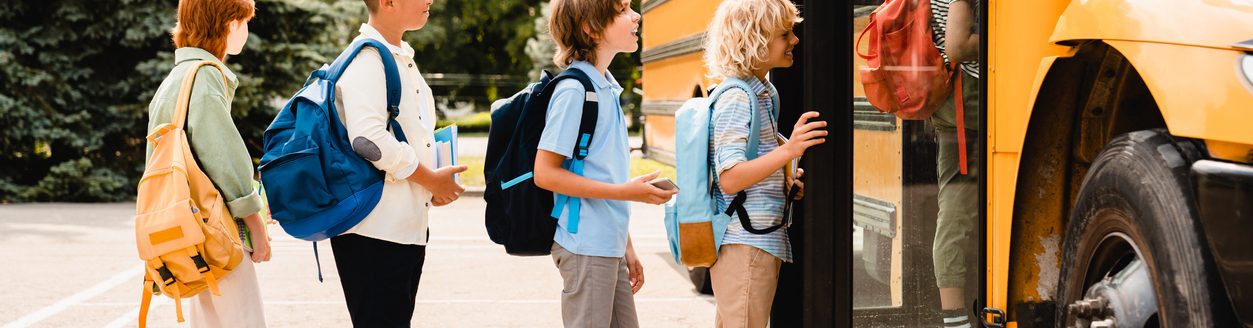
PHOTO: Little pupils walking home from school. (Adobe Stock-#231235700 │ tan4ikk)