How many years have we been hearing the World Economic Forum phrase “You will own nothing and be happy?”
We all think about these statements and somehow excuse ourselves from involvement because we don’t think it can happen to us. On Nov. 9 the Senate was to have a procedural vote on the Bipartisan American Affordability and Jobs Act that could be a big step toward that predicted outcome, in opinion. You will start to hear more about how “the energy demand is skyrocketing and we must streamline the permitting process. We must eliminate the patchwork of regulations these energy businesses are forced to deal with.” My question is simple: Who is creating the demand for energy at this unprecedented rate?
Let me just share with you what a query on my search engine says about Senate Bill 5653:
Senate Bill 5653, officially the Bipartisan American Affordability and Jobs Act of 2026, is a federal permitting reform bill designed to accelerate the approval of infrastructure, energy, and industrial projects by imposing strict statutory deadlines on federal environmental reviews. The legislation fundamentally alters the procedural landscape for major developments by shortening review timelines, limiting judicial remedies, and expanding federal siting authority, while simultaneously narrowing the scope of environmental and historic preservation protections.
Historic Preservation: Mandatory consultation under Section 106 is changed to permissive and time-boxed, narrowing definitions of protected cultural resources. Agencies may override preservation concerns based on undefined “other considerations,” and Tribal Nations face significant restrictions on their ability to challenge projects in court.
I have not read this nearly 500-page document but I have visited with several people who have. Some of these are people that I have been in the carbon dioxide pipeline fight with for five years and they all say the same thing: This could be the nail in our landownership coffin because it will virtually eliminate all local control.
I am not surprised about what proponents are trying to pull off here except what I included about tribal land. The mere fact that they are so boldly saying that “protected cultural resources” will no longer matter in energy projects is quite significant. The sentiment about the Indians losing their land has never been greater.
I have empathy for the American Indians because they were warring tribes and the tribe of the U.S. government—Army—beat them and took their land. Most of their land was stolen; however, in treaties created and then broken by this government and even the reservations are now controlled by the Bureau of Land Management. This is history and while we can’t change history, but we can though learn from it.
We lived on the Rosebud Indian Reservation in South Dakota for five years and loved it. I still have many friends in numerous tribal communities and we talk often about how Uncle Sam is now coming for our land. While the tactics are different, the outcome may be the same, in my opinion.
I expect we will soon hear someone say “We granted you this land through title we are simply recalling the title. We need it back.” The Homestead Act and general land claims will be the next broken Indian treaties, I believe.
One of the excuses that will reach a feverish pitch in favor of this bill will be that we must be better than China in the race for artificial intelligence data centers. We currently have 5,400 data centers in the United States and they are operating at a mere 17% of their capacity. China has less data centers than the number of pages in Senate bill S5653.
The red coats are coming and soon we may all be on their reservation hoping they bring us food if we can’t band together and fend off this nightmare.
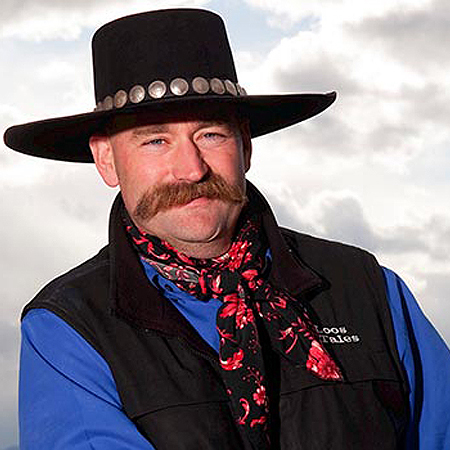
Editor’s note: The views expressed here are the author’s own and do not represent the view of High Plains Journal. Trent Loos is a sixth generation United States farmer, host of the daily radio show, Loos Tales, and founder of Faces of Agriculture, a non-profit organization putting the human element back into the production of agriculture. Get more information at www.LoosTales.com or email Trent at [email protected].
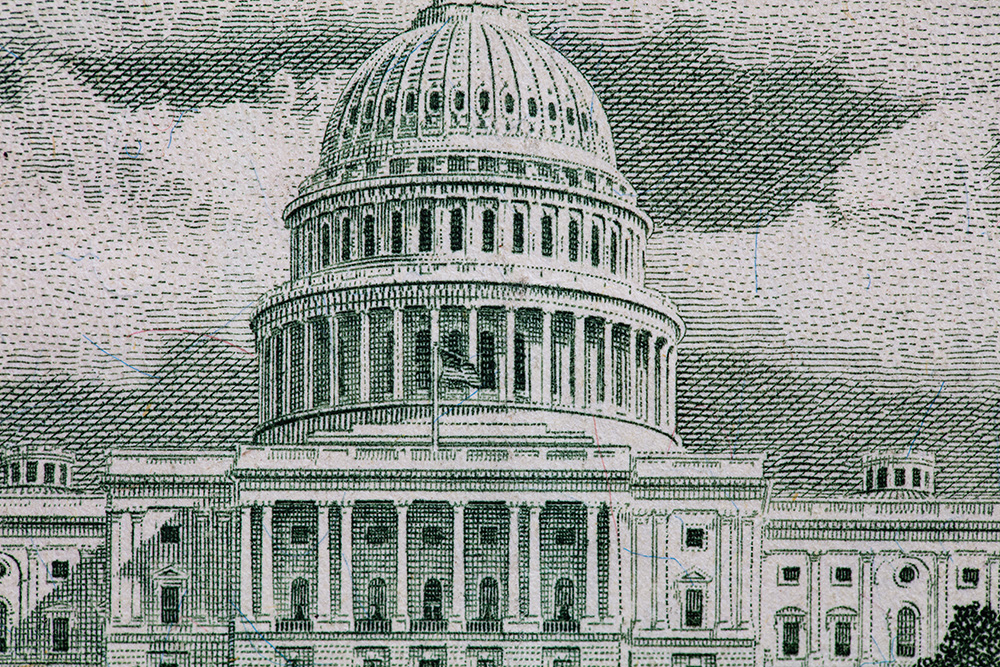
PHOTO: Back of 50 dollar bill. (Adobe Stock-#351873767 │ Ruslan)