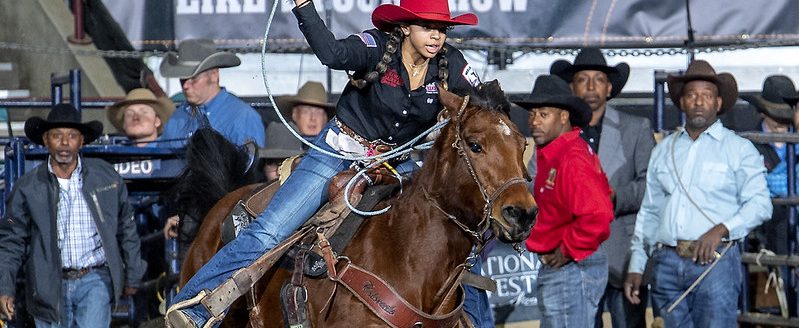
University of Minnesota programs expand to recruit future veterinarians
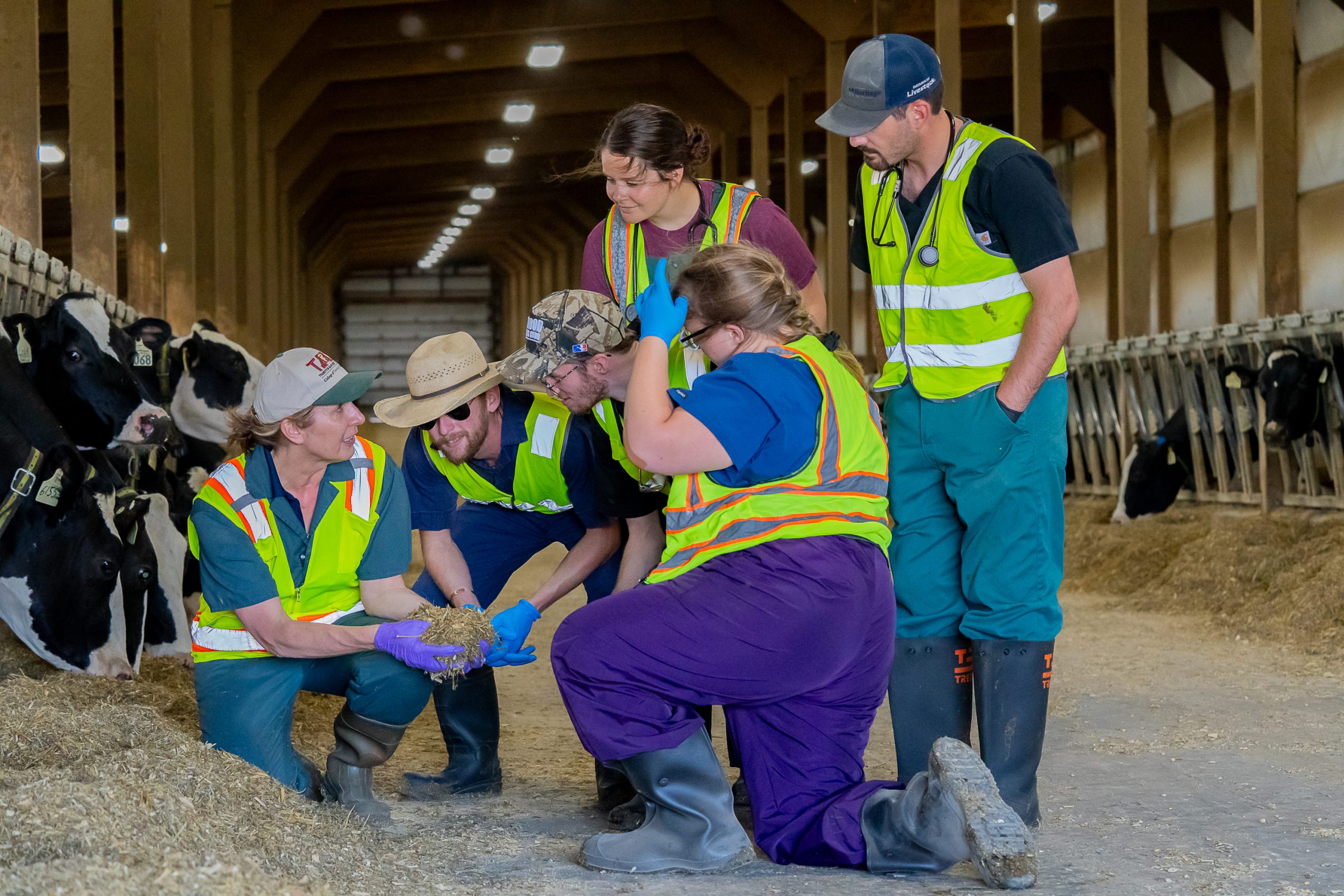
A common theme among the High Plains states is the need to develop, recruit and retain veterinarians — particularly food animal doctors.
Dr. Laura Molgaard understands the challenge, and the dean of the University of Minnesota College of Veterinary Medicine has committed resources to programs that can help add students to the rural pipeline.
Minnesota’s food animal industry is diverse, she said. Minnesota is ranked No. 1 in the nation in turkey production and No. 2 in pork production. It also is a significant producer of dairy and beef cattle, and other livestock species. The equine industry is also very important to the state and pets need veterinary care in rural areas, too.
A multifaceted approach is needed to address rural needs, Molgaard said, which means recruiting, admitting, educating and advocating. She supports the state’s rural loan forgiveness program, which offers additional incentives for students to locate in a smaller community.

Like her counterparts at other land-grant universities, she, too, has seen the well-documented reports by the American Association of Veterinary Medical Colleges that note shortages of veterinarians, which are often greater in rural areas because new graduates may find more lucrative salaries or less demanding hours in an urban setting.
Molgaard and her faculty stress to students the importance of gaining various opportunities while they are in school to help them make the best decision after they graduate. They also stress that a rural practice may be a great fit for their lifestyle and having these experiences early and often can help graduates make this decision. Plus, working with an experienced veterinarian can help a young veterinarian develop a lifelong mentorship. Rural practitioners who are a good long-term fit benefit farmers and ranchers, she said.
The College of Veterinary Medicine is addressing the shortage through its pathways programs, real-life learning, research and expertise, partnerships and advocacy, the dean said.
Pathways programs
The Veterinary Food Animal Scholars Track, known as VetFAST, is an early-decision program for students interested in a career in food animal veterinary medicine. Undergraduate students in an approved VetFAST degree program can apply for provisional program acceptance after they have completed two terms at the University of Minnesota, provided they have at least two additional terms left before graduation. This pathway program gives undergraduate students peace of mind that they have a spot waiting for them in veterinary school rather than competing with a large applicant pool.
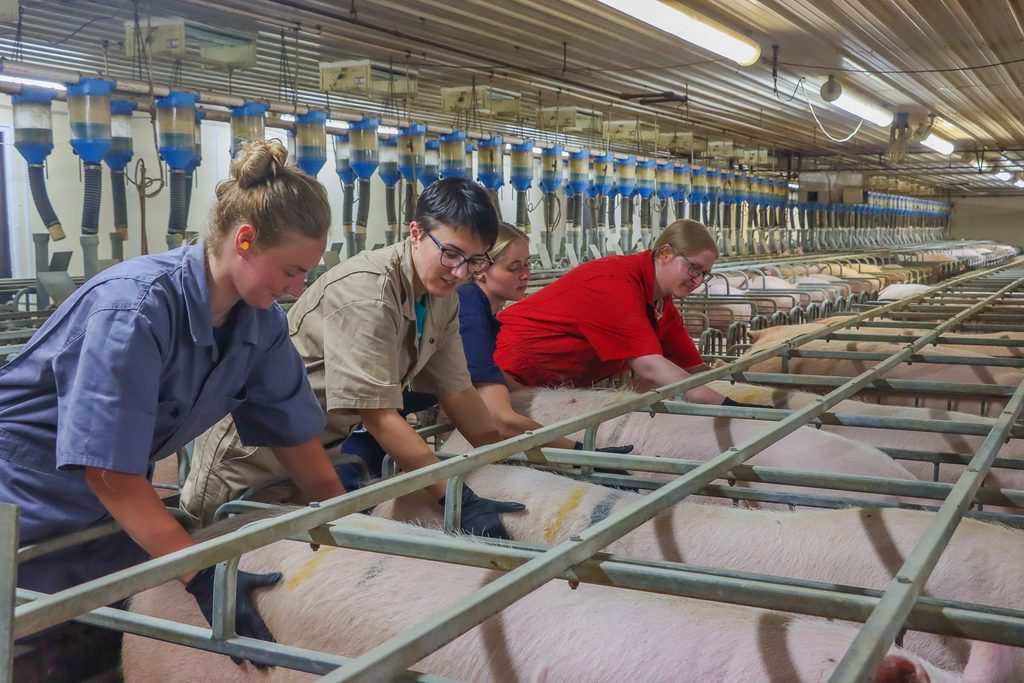
“Young people who have an interest in food animal practice and who are a part of the University of Minnesota system campus—that could be in St. Paul, Crookston, Morris, and Rochester—those pre-vet students, if they keep their grades up, have a guaranteed spot in vet school when they’re ready,” Molgaard said. “They don’t have to compete with the huge applicant pool that all schools have nowadays. Any qualified student who comes in through that pathway has a seat first, and then we fill in the rest of the class.”
The success of the program is built on the premise that it helps young students see a place for themselves, Molgaard said. Veterinary programs have so many applicants that they are competitive, and that can be stressful for candidates.
The VetFAST program takes that into account for the benefit of students, she said.
“The program allows us to lock them into that food animal path a little bit earlier because once they’re in our pipeline program—even though they haven’t graduated from an undergraduate program—we provide mentoring and advising to them,” Molgaard said. “Once they get into (vet) school, they’re joining other food animal students.”
Another benefit is that they intermingle with students from the regular admissions process, she said.
The pipeline is designed to encourage graduating veterinarians to consider a career in rural practice.
“We know our applicant pool is more rural than the general population,” she said. That assessment is based on collected data. “We know that admitted students are even more disproportionately rural, so we are intentionally prioritizing recruitment and admission of rural students so that we can serve that important need.”
Recent data support that assessment. The national average of graduates entering food animal practice is between 2.6% and 3.5%. The University of Minnesota’s figure has traditionally been about 3%, but the initiatives have pushed that percentage higher.
Data showed 11% of food animal graduates in the most recent year entered rural practice, she said.
Rural practices include food animal, mixed, companion and equine, she said. Encouragingly, 41% of graduates in the class of 2023 indicated an interest in rural practice.
In a typical year, 125 veterinarians graduate from the University of Minnesota College of Veterinary Medicine, the dean said.
Native American
To increase representation of Native American individuals, the University of Minnesota College of Veterinary Medicine has established the Native American Talent in Veterinary Education program. The program invites eligible veterinary school applicants to submit a supplemental application for consideration. Students accepted through this program receive priority admission to the Doctor of Veterinary Medicine program.
“It did start with the VetFAST as a food animal scholarship program, and it’s been really successful over the years,” Molgaard said. “Those students who do stay in the food animal program, they are really sincere.”
Applicants must meet one of the following requirements:
- Be an enrolled member of, or eligible for enrollment in, a federally recognized Tribal Nation within Minnesota, North Dakota, South Dakota, Iowa or Wisconsin.
- Be a legal resident of Minnesota, North Dakota, South Dakota, Iowa or Wisconsin and an enrolled member of, or eligible for enrollment in, a federally recognized Tribal Nation within the United States.
Partnership with SDSU
The University of Minnesota College of Veterinary Medicine and South Dakota State University partnered to create the Professional Program in Veterinary Medicine. The 2+2 program focuses on careers in food animal or mixed animal medicine in rural communities.
Cohorts of students complete their first two years of veterinary school in Brookings, South Dakota. They then transfer to complete their last two years at the University of Minnesota College of Veterinary Medicine. Students graduate with a Doctor of Veterinary Medicine degree issued by the College of Veterinary Medicine.
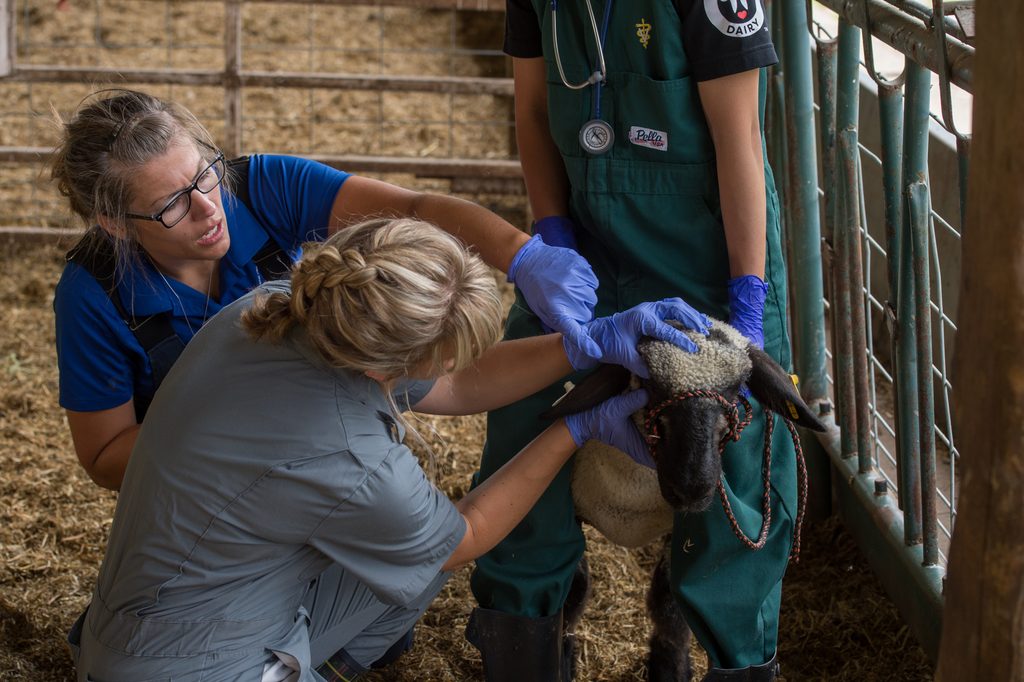
South Dakota State University does not have a veterinary college, Molgaard said. She added that the program started in 2020 and up to 20 students per year can transfer from Brookings to St. Paul to join the third-year class.
Multistate arrangements can be challenging and complicated, Molgaard said, but she credited officials, faculty and students from both universities for making the program a success.
The dean has seen challenges within animal health grow significantly over the past 25 years. Those challenges can be daunting but also present opportunities, and she shares that message with veterinary students as faculty prepare the next generation of practitioners. She commended her faculty members, who not only teach future veterinarians but also conduct research and provide clinical and diagnostic service to advance health among all the species that veterinarians serve.
“It’s partly about having a really great education program, and it’s partly about having faculty involved in research that is advancing the science,” Molgaard said. “Whether it’s the New World screwworm, highly pathogenic avian influenza, or preparation for the risk potential of African swine fever, these are all really important to food animal health producers, and I am lucky to work in a place that has amazing faculty.”
Dave Bergmeier can be reached at 620-227-1822 or [email protected].