Lower grain prices offer cattle producers opportunities to improve profitability
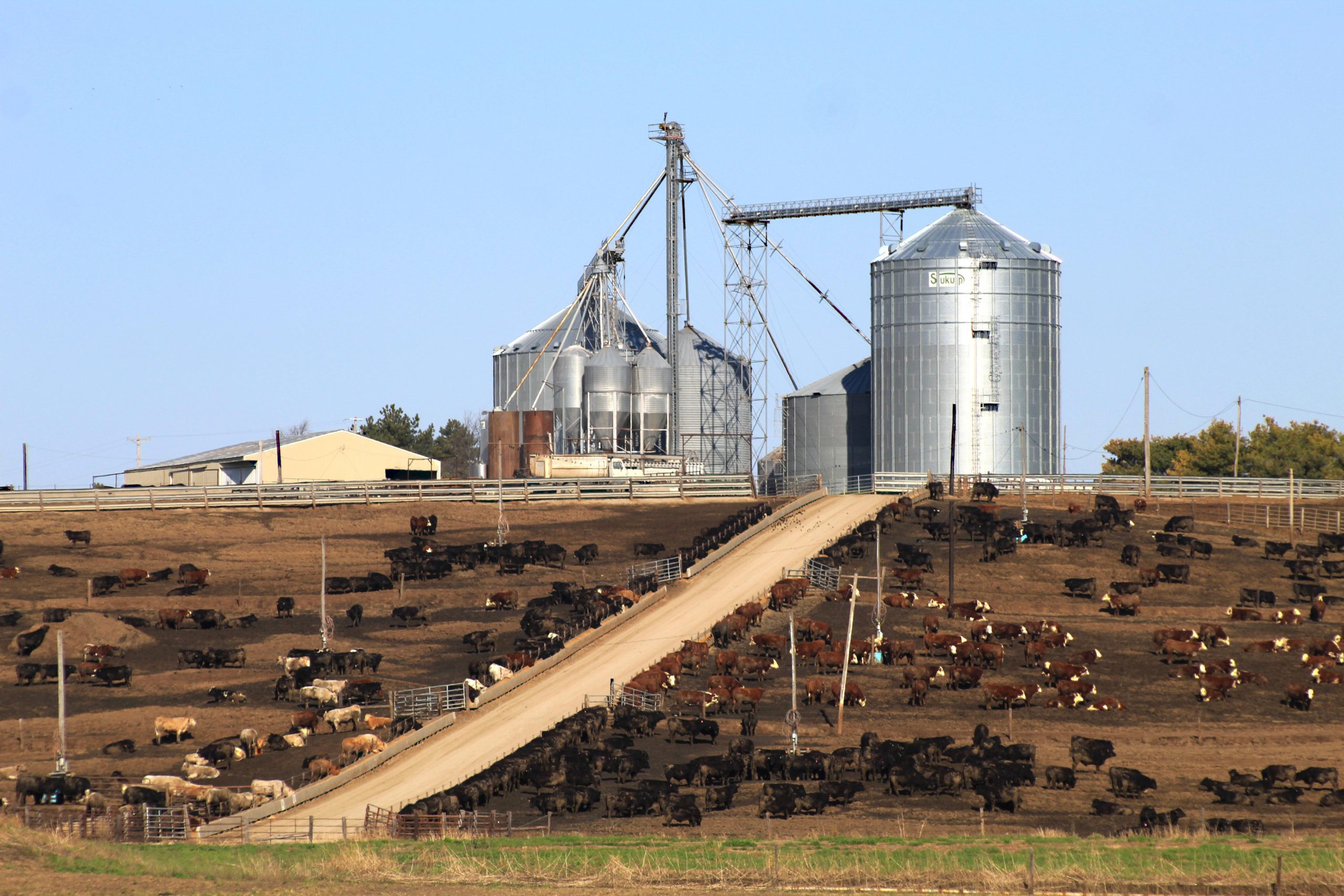
Lower grain prices are creating opportunities for cattle producers to manage feed costs, improve feeding margins and consider retaining calves, according to Dustin Pendell, professor in the Department of Agricultural Economics at Kansas State University.
Abundant grain supplies following a strong crop production year have helped push feed prices lower, providing some relief for livestock producers, particularly cattle feedlots.
“If we have good crop production, which we have this year, that’s going to just translate to lower prices, which is obviously better for livestock producers,” Pendell said.
Since the summer, Pendell said corn prices have declined 15% to 20%, while soybean meal and distillers grains have followed a similar downward trend.
Several supply factors have contributed to the decline. A U.S. Department of Agriculture grain stocks report in September identified more old-crop corn than previously expected, adding to available supplies.
Pendell said the 2026 United States corn crop is forecast to be the second highest on record, trailing behind the record-breaking 2025 harvest. USDA also initially raised its national corn yield estimate to 181 bushels per acre before revising it down to 179 bushels per acre in its November report.
Although the revised estimate lowered projected production by several hundred million bushels, overall supplies remain large. Pendell also noted grain exports have been running lower in 2026 compared to the previous year.
What this mean for beef producers
For cattle feedlots, lower grain costs can improve the cost of gain and feedlot breakeven calculations. Cheaper feed also could give feedlot operators more flexibility when deciding what weight of cattle to purchase and how long to keep them on feed.
Pendell said lower feed costs could make it more economical to bring lighter-weight calves into feedlots because producers would have a lower cost of feeding those animals to market weight.
“We’re already keeping cattle in the feedlot a long time compared to historically,” Pendell said. “But it just makes it cheaper to keep those animals and feed them.”
The benefits of lower grain prices also could extend beyond the feedlot. Operators may be able to bid more for feeder cattle, potentially supporting higher feeder cattle prices. That could create opportunities for stocker and cow-calf producers.
For cow-calf operations, stronger feeder cattle bids and lower feed costs could also make backgrounding calves or retaining ownership more attractive options.
If keeping calves after weaning, producers may see lower feed costs to add weight before marketing. However, Pendell emphasized the importance of evaluating the economics before deciding.
“I think it’s always good to put the pencil to paper and just sketch it out and see if it makes sense,” he said.
Producers should consider whether the additional weight gained will generate enough revenue to cover feed, labor and other expenses associated with keeping the calves longer.
Managing risks
Price risk also is an important consideration. If feeder cattle prices decline while producers are holding calves, the additional investment could reduce or eliminate the expected benefit.
Pendell suggested producers consider risk management tools, including feeder cattle futures or Livestock Risk Protection insurance, to help protect against potential price declines.
For producers considering purchasing grain while prices are lower, Pendell said several risk management strategies are worth evaluating.
Options include using futures or options markets, entering into contracts with suppliers or storing grain when storage capacity is available.
Producers can consider these strategies to manage the risk of prices increasing after the current buying opportunity. The best approach will depend on each operation’s financial position, storage capabilities and expected feed requirements.
Lower grain prices also could create opportunities for producers considering changes to their cow-calf feeding programs. Pendell said hay prices are much higher than a year ago due to summer drought conditions. Producers may want to evaluate whether alternative feed sources, such as corn or distillers grains, could be used to supplement some hay in existing feed programs.
Transportation costs also could become a factor for producers purchasing hay. Higher diesel prices could increase the expense of shipping hay, particularly for operations that rely on supplies from outside their local area. As a result, lower grain prices do not necessarily translate into lower overall feed costs for every operation.
Cash flow and future prices
Producers considering retaining replacement heifers or expanding their herds also may find cheaper grain beneficial. Lower feed costs could reduce the expense of developing heifers, potentially improving the economics of herd expansion.
“But if you’re thinking about maybe keeping back calves to background a little longer, or maybe retain ownership, another thing that one would need to consider is cash flow,” he said.
Cash flow is particularly important for operations with operating loans or other financial obligations coming due. A producer who planned to sell weaned calves to repay an operating loan may not have the flexibility to retain those animals, even if lower feed costs make backgrounding appear attractive.
Looking ahead, Pendell said grain production in South America will be an important factor to watch. Brazil and Argentina typically begin harvesting between January and March, making their production and supply levels relevant to the direction of global grain markets.
Ultimately, Pendell cautioned against assuming lower feed prices will automatically translate into higher profits.
“Just because the feed prices are cheaper, that doesn’t necessarily mean better returns,” he said.
Instead, cattle producers should evaluate their individual costs, marketing plans and financial positions to determine how best to take advantage of the current feed price environment.
Lacey Vilhauer can be reached at 620-227-1871 or [email protected].