
Opportunities and challenges abound in livestock markets
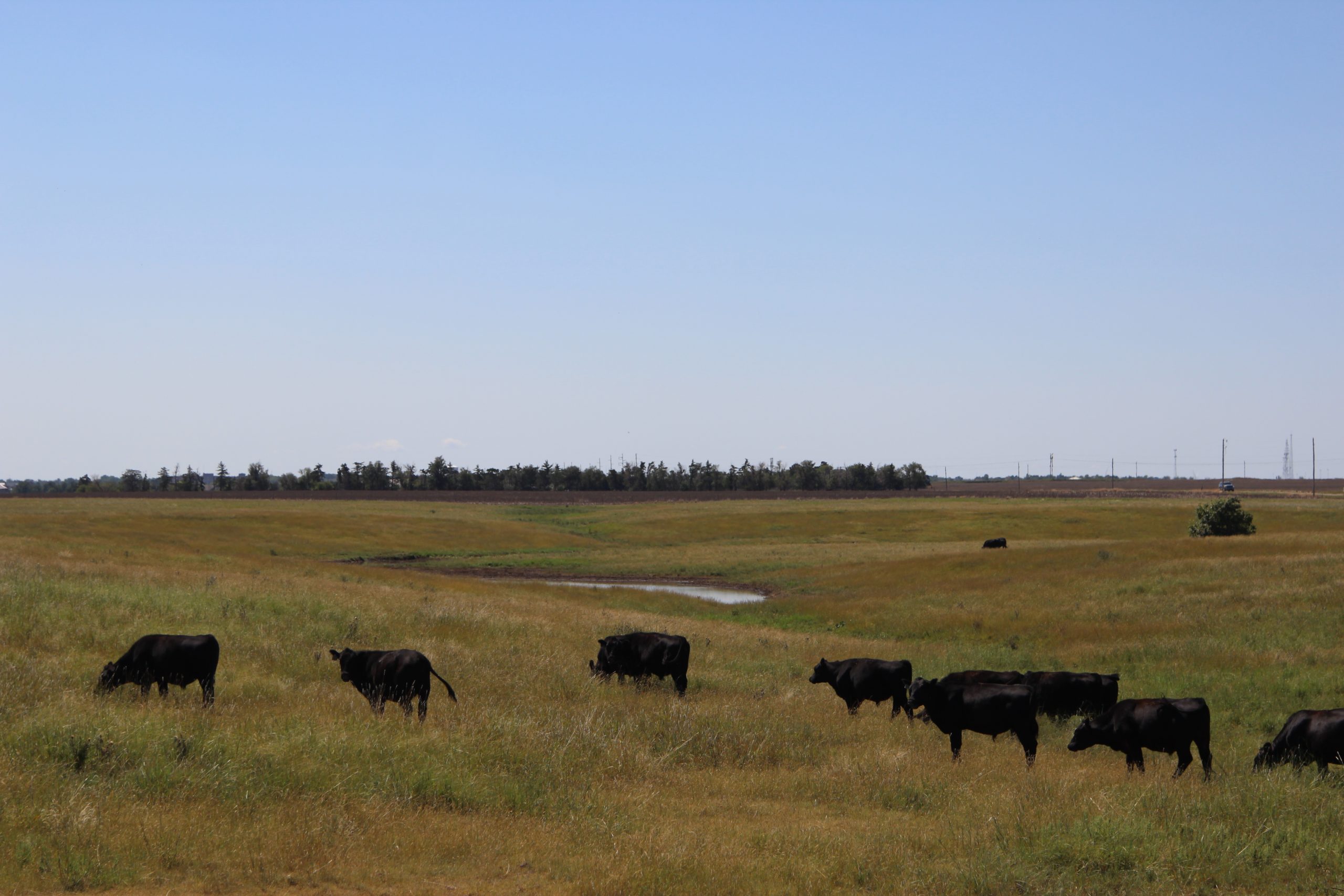
Livestock producers have enjoyed a stronger year than their crop counterparts, but they must continue to stay on top of their game, according to a senior protein analyst from Terrain.
Don Close is a member of a team of ag economists who provide expert insights for the customers of select Farm Credit associations. He provided his insight to High Plains Journal on questions cattle producers often ponder.
HPJ: What is the general condition of ranchers and feed yard operators?
Close: The conditions of both sectors are well above the historical average. Cow calf producers are in a stronger economic position because of the run of high prices. Cattle feeders are in a strong economic position but not as strong as cow/calf producers. Cattle feeders had an exceptional year in 2025. High feeder cattle replacement cost, escalating feed grain prices and poor risk management options are limiting profits in 2026.
HPJ: As producers put together their marketing plans for the rest of 2026 and 2027, what should they focus on?
Close: The first focus should be to know their cost of production. It is impossible to truly know what a good marketing opportunity is without knowing what the costs are. The current correction in the market has not only sharply reduced cattle replacement costs, it has also narrowed the price spread between cash cattle prices and futures, which improves hedging opportunities. Developing, adjusting and implementing marketing plans is an ongoing proposition.
For cow/calf producers, they will be making decisions on heifer retention for expansion as well as marketing calves in the fall or retaining ownership. For cattle feeders it is more of margin capture and the continuous rollover of inventory. A big question for cattle feeders’ risk management plans this year with the sharp increase in feed grain prices is whether to purchase more grain at harvest.
HPJ: With regard to the recent realigning by Tyson and other packers that have been in the news, what can producers do to stay proactive in their marketings?
Close: Following the latest round of announcements, the balance between fed cattle supplies and packing capacity is largely aligned. The recent contract ratification at the Cargill facility in Fort Morgan helps assure adequate slaughter capacity on the fed beef side.
That is not to say there is no risk of additional plant closures. Where the real pressure point is at this time is on the non-fed side; there is still high risk of cow plant closures. Producers need to know which locations their cattle work best for—which may not be the facility located closest—and to maintain relationships with those facilities.
HPJ: What are some pressure points that may influence producers more over the next 18 months?
Close: There is still going to be pressure on the market and fed cattle supplies are still expected to tighten as heifer retention further reduces fed cattle supplies. The recent controlled reopening of the Mexican border to feeder cattle will help offset a portion of the reduced feeder cattle supplies.
Another pressure point is the recent escalation in feed grain prices. Corn prices have rallied over a dollar per bushel from early summer lows. The higher feed grain prices have taken a toll already on feeder cattle and calf values because cattle feeders just can’t pay as much for these animals given their higher feed costs.
HPJ: What do successful operations do best in your opinion?
Close: They know their cost of production and are constantly looking to lock in margins when the opportunity presents itself. They have intermediate and long-term goals and objectives that create the foundation for building a business plan. They constantly are looking for opportunities opposed to looking for reasons why they are victims.
HPJ: What might be some tips and advice you could give to young ranchers?
Close: There is no question the barriers to entry are steep. I constantly hear how it is impossible to get started in the ranching business today, but in my more than 50 years in the business, I consistently see young producers who have made it work. Know your banker, and have a business plan to show lenders how a proposal can work. The average age of farmers is 58 years old, and the average cow owner is even older.
In the next five to 10 years, there will be a huge transition of land ownership. Get to know older producers and look for opportunities for partnerships with older producers. Look at leases and swaps to trade sweat equity for ownership. Approach cattle ownership with the risk identified. Don’t over commit and constantly look for pricing opportunities that secure a breakeven and profits.
HPJ: Closing thoughts?
Close: The demand for protein is for real and expected to continue in the U.S. and globally. Consumer demand for beef, the shift to healthier lifestyles, and particularly the impact of weight loss drugs on diets combine for a solid outlook for beef and other proteins.
Dave Bergmeier can be reached at 620-227-1822 or [email protected].



