Methane isn’t just an environmental buzzword—it is energy lost. Every puff of gas from a cow’s rumen represents feed energy that could have gone toward growth, milk or a calf. That simple truth is driving a U.S. Department of Agriculture-funded project at the University of Nebraska–Lincoln focused on the “energetics” of cattle. It aims to further understand how animals convert feed into usable products like beef and milk, and where methane fits into the mix.
The research findings may give producers the selection tools needed to raise cattle that waste less energy as methane without compromising productivity.
Understanding heritability and the importance of the microbiome
In simple terms, heritability measures how much of a trait’s variation comes from genetics rather than environment. But that “environmental” slice includes plenty of hidden variables—weather, micro-diets, timing and even the microbial makeup of the rumen.
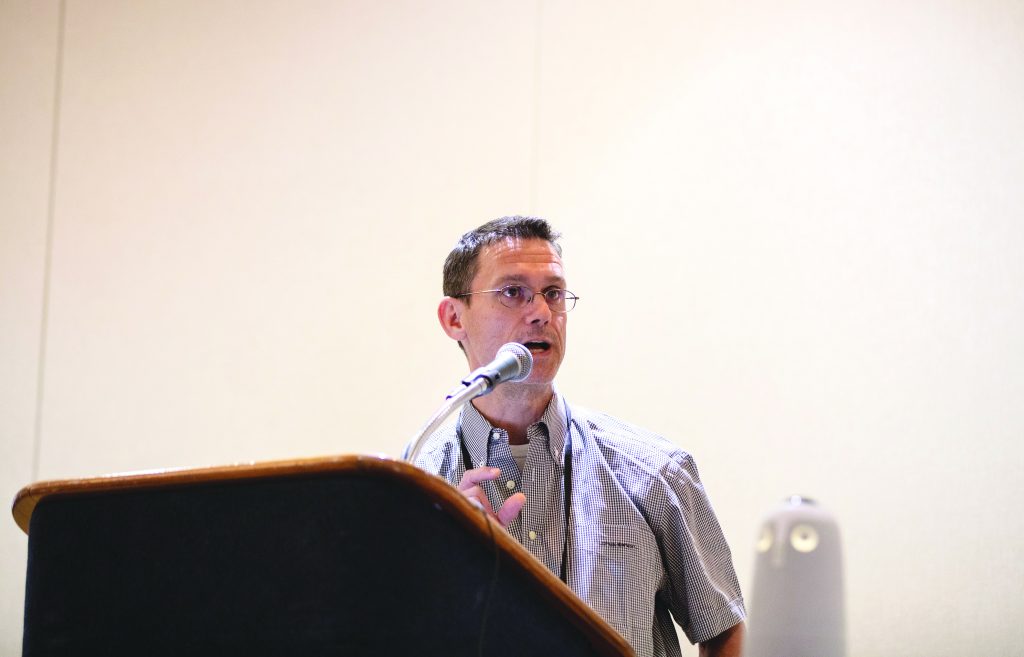
According to presenter Matt Spangler, Ph.D., the Ronnie D. Green Professor of Animal Science and Beef Genetics Extension specialist at UNL, accounting for those factors can potentially make genetic predictions more accurate. When environmental effects are better understood, heritability for methane traits rises, and therefore, selection becomes more effective.
Studies around the world show that methane-related traits—whether expressed as daily output, methane per unit of intake (“yield”) or methane per pound of product (“intensity”)—tend to have moderate heritability, which is roughly comparable to weaning weight or average daily gain. That means methane emissions can respond to selection pressure over time.
However, Spangler cautions against relying too heavily on ratios like “intensity” for genetic evaluation. Those measures are better suited for benchmarking rather than for making breeding decisions. Instead, future seedstock indexes may rely on more statistically stable traits that tie directly to profitability.
Another important factor to consider is that cattle host an entire ecosystem of microbes in the rumen—and those microbes are key players in methane production. Research has shown that two major forces drive methane differences among animals: the genetics of the host cow and the composition of her rumen microbiome. Certain rumen microbes are themselves heritable and are influenced by the animal’s genetic makeup. In other words, cattle can pass on a tendency to host more efficient microbial communities.
The UNL research project involves using “shotgun metagenomics” to go beyond identifying which bugs are present and instead measure what they’re doing. By capturing thousands of microbial functions and linking them with animal genotypes, methane variation can be better understood. Early results suggest that models combining both host and microbiome data increase prediction accuracy for feed efficiency related traits.
More about the project
The project will track roughly 560 beef and dairy animals using advanced respiration chambers, or “head boxes,” to measure methane, carbon dioxide and total heat production. Spangler said the research team will also calculate digestible, metabolizable and net energy, as well as fecal and urinary energy losses—data that can reveal how efficiently each animal converts feed energy into usable output.
Each animal will be genotyped, and its rumen microbiome sequenced. Combining these data layers—host genetics (G), microbial community (M) and their interactions (G×M)—will help refine future expected progeny differences and selection indexes for methane-related traits.
Another bold idea with this project is testing whether a calf’s rumen microbiome can be steered early in life. The researchers are experimenting with inoculating newborn calves using rumen material from adult donors known for high or low methane output. The study will examine whether these microbial communities “stick” as the calf matures and whether they influence methane emissions or feed efficiency.
While it’s too early to imagine every rancher drenching calves with microbial cocktails, Spangler said, the work could reveal whether early-life interventions might one day complement genetic selection.
Gathering methane and microbiome data isn’t easy or cheap. Traditional sampling with esophageal tubing is time-consuming and requires skilled labor. UNL is evaluating whether oral swabs, though less precise, might still predict methane emissions well enough for large-scale use.
The researchers are also exploring ways to use a single biological sample to extract both host DNA and microbiome data, a potential game-changer for reducing costs and simplifying logistics. The team envisions a two-tiered approach: gold-standard measurements on a smaller reference group to anchor the science, and faster, lower-cost sampling across thousands of cattle to build large-scale evaluations.
The bottom line
The results of this project could be more accurate breeding values that reflect what’s really happening in the pasture and feedyard, Spangler said. This could include more accurate EPDs and selection tools that include methane-related traits alongside gain, fertility and carcass quality. While there’s currently no U.S. price signal for reducing methane, the long-term goal is to balance environmental and economic sustainability.
Producers might also see sampling protocols that fit seamlessly into existing workflows, such as collecting microbiome swabs during branding, weaning or pregnancy checks.
Spangler said there’s no single fix, but progress will come from stacking improvements in genetics, management and nutrition. When the right tools arrive, ranchers won’t be forced to choose between productivity and sustainability. They’ll be able to select for both.
Takeaways
- Focus on efficiency. Methane emissions aren’t just an environmental issue—they represent lost efficiency in cattle.
- Put pressure on it, and it will move. Across definitions—daily methane, methane per unit intake (“yield”), per unit product (“intensity”) or residual methane (like RFI)—the literature points to moderate heritability. That’s the same ballpark as weaning weight or average daily gain.
- Two big levers drive methane differences among animals. Host genetics (the cow herself) and the rumen microbiome (the bugs doing the fermenting) are important to study.
- Stacking clean data to find solutions is key. By combining genomic and microbiome data, scientists are getting closer to reliable tools that help producers select animals that convert feed more efficiently and waste less energy as methane.
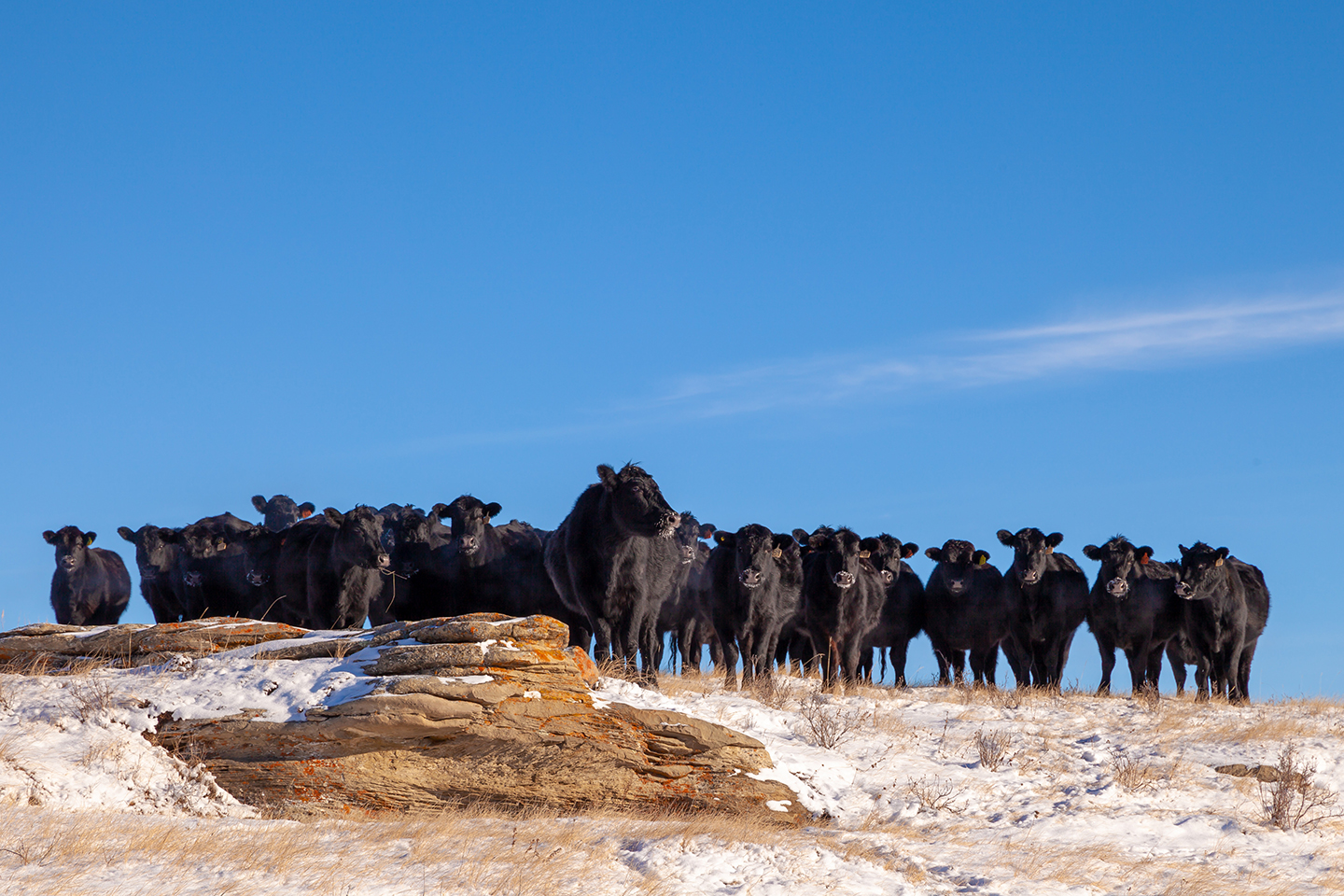
PHOTO: Black Angus cattle graze along rocky area of pasture. (Courtesy photo.)
Related coverage and resources
- Related on HPJ: Cattle Report May 23
- Related on HPJ: Nebraska honing ag data strategies
- Outside resource: USDA ERS — Cattle and Beef