HPAI continues to affect turkey and egg production
Lower broiler, turkey and egg production is being forecast in the latest World Agricultural Supply and Demand Estimates’ National Agricultural Statistics Service.
The February report noted that broiler production was lowered for the first quarter of 2026 on recent production and hatchery data. Broiler production was estimated at 11,700 million pounds.
Turkey production was also lowered for the first quarter of the year on production data and highly pathogenic avian influenza-related culling. Turkey production was estimated at 1,190 million pounds. Egg production was reduced on recent production and hatchery data, as well as HPAI-related culling reported through early February. Farmers were expected to produce 2,225 million dozen eggs.
Broiler prices were unchanged for 2026, and NASS on an annual basis projects a price of 125 cents a pound. For turkeys, it estimated the annual price of 154 cents a pound. Its estimate for the first quarter is 165 cents a pound.
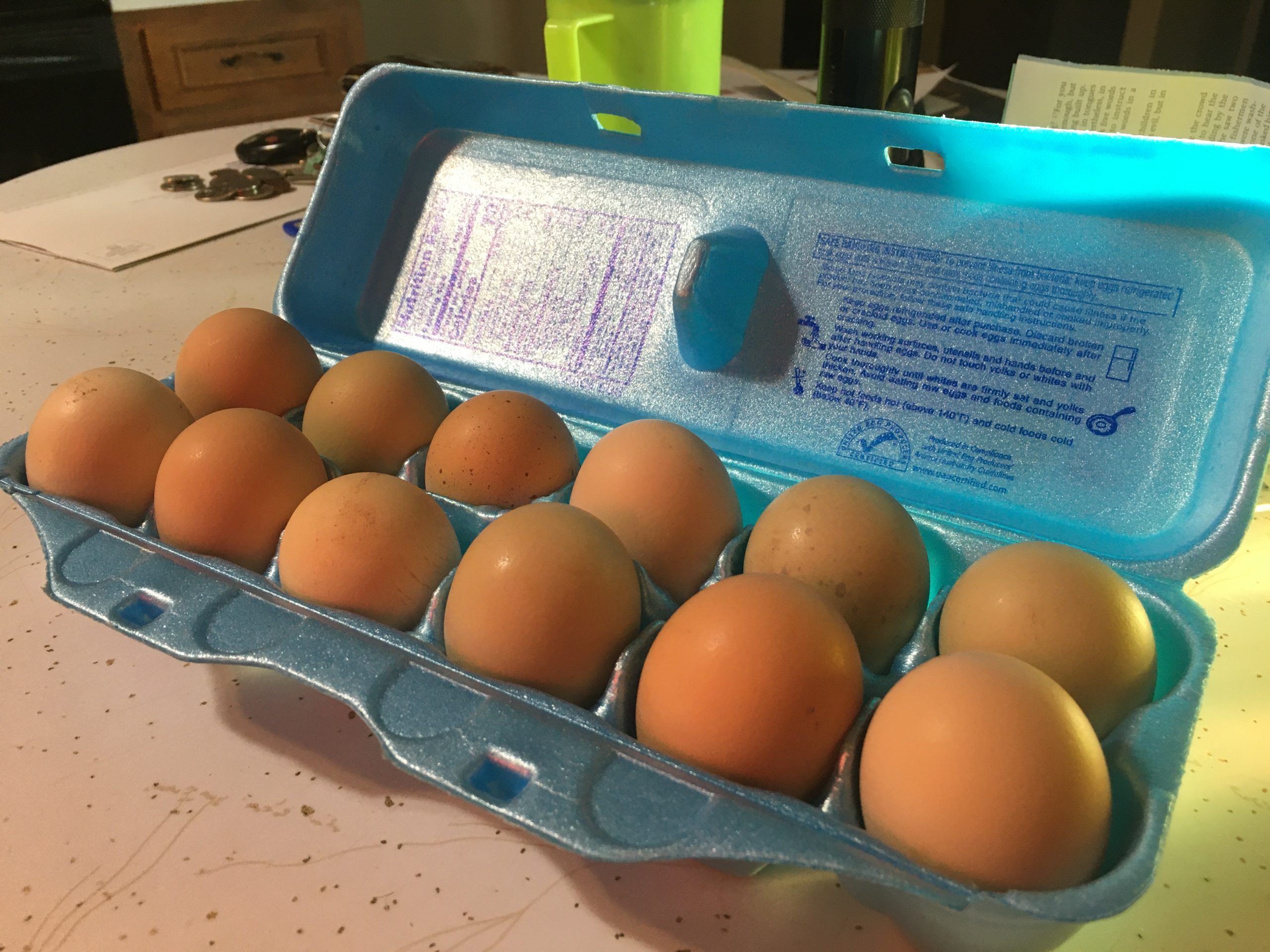
Egg prices were raised in the first and second quarters on recent prices and reduced supplies. Eggs were priced at 130 and125 per dozen for the first and second quarter, respectively.
Broiler exports were reduced on an annual basis from 7,163 million pounds to 7,118 million pounds based on recent trade data and more competition expected in key markets. The turkey export forecast was unchanged at 400 million pounds.
A year ago, the U.S. imported an estimated 122.5 million dozen eggs and this year it calls for 40 million dozen eggs.
The Feb. 6 Egg Markets Overview, in the major Midwest production region, wholesale prices for Large, white, shell eggs delivered to warehouses entered the week up $0.43 to $1.30 per dozen with a firm undertone while the price to producers for Large cartoned shell eggs increased to $1.12 per dozen.
In 2026 to date, based on the latest data from USDA’s Animal and Plant Health Service, in commercial table egg layer flocks have resulted in the depopulation of 2.8 million birds in three confirmed outbreaks in Colorado and Pennsylvania. The 2.8 million birds lost included 1.7 million in conventional caged systems and 1.8 million (51.5%) in cage-free systems. These losses represent 1% of the conventional caged layer flock and 1.5% of the non-organic cage-free flock on Jan. 1.
Dave Bergmeier can be reached at 620-227-1822 or [email protected].