
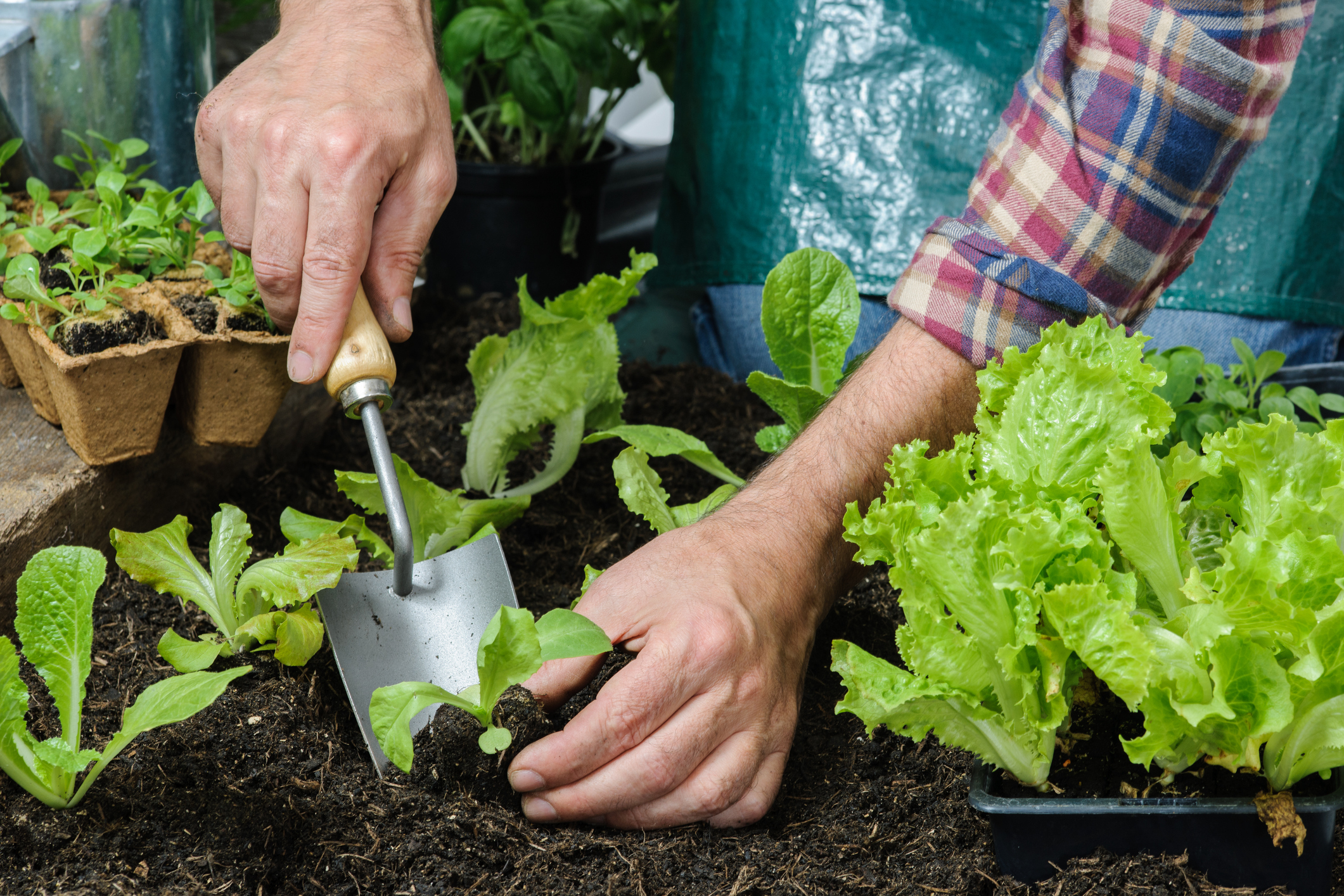
As winter lingers, many gardeners are looking for ways to get their hands dirty. Starting seeds indoors gives gardeners greater control over growing conditions, resulting in healthier, more resilient transplants.
“It’s fun to get a head start on the upcoming garden season by starting seedlings indoors,” said Aaron Steil, consumer horticulture specialist with Iowa State University Extension and Outreach.
To be successful, gardeners must provide the right conditions for seedlings to thrive and develop into stocky, resilient plants.
Time it right
Resist the urge to sow too early. Steil warns that seedlings started too soon often become lanky and transplant poorly. Check the seed packet for the recommended indoor growing period, then count backward from your frost‑free date to determine when to start.
In much of Iowa, planting of frost‑tender annuals and vegetables happens from late April to early May. Cool‑season crops that tolerate light frost can be planted a bit earlier, in early to mid-April, so they can be started indoors sooner. “It’s important to plan before you plant,” Steil noted.
Choose the right growing medium and containers
Start with a lightweight, porous and disease‑free seed‑starting mix. Steil recommends commercially prepared soilless germination mixes designed for seedlings. Sow seeds in flats, cell packs, peat pellets, soil blocks or repurposed containers. “What you use is up to you, as long as it is clean and has drainage holes,” he said.
Sow like a pro
Use new seeds packaged for the current season, as older seeds, especially those more than 2 or 3 years old, often germinate poorly. Seeds can be sown in rows in a flat or tray and carefully transplanted to individual containers when they develop true leaves. “This approach is good for small seeds or those with inconsistent germination rates,” said Steil. Alternatively, seeds can be sown directly into individual containers, sowing several seeds per pot and thinning them later. This approach is well-suited for larger seeds.
Check the seed packet for sowing depth. Many are planted 1/4 inch deep and can be placed on the soil surface and lightly covered to ensure they are at the right depth. Small, fine seeds or those that require light to germinate are planted at a depth of 1/8 inch or less. “For these seeds, place the seeds on the surface and gently press them into the germination medium to ensure good seed to soil contact,” advised Steil.
Provide the best growing conditions
After sowing, water from below by submerging the container until the medium is fully wet, then let it drain. This prevents the seeds from washing or dislodging.
“Warm soil temperatures promote better, faster germination,” Steil explained. “After emerging, the seedlings grow best in cooler temperatures around 65 F. This promotes stout, transplant‑ready plants.”
To maintain high humidity, cover the container with a clear dome or other covering, and water lightly only if the soil surface dries out. Remove the cover as soon as seeds germinate, and ensure good ventilation and air circulation to prevent damping‑off diseases.
After germination, provide 12–16 hours of bright light each day to prevent stretching or leaning. Even with a sunny window, seedlings often grow best under supplemental light. Keep them 6–12 inches above the plants and raise the grow lights as seedlings grow.
Care and prepare seedlings
When seedlings graduate from a germination tray to individual pots, transplant them into a well‑drained potting mix. Fertilize regularly with a 1/4‑strength water‑soluble all‑purpose fertilizer. This will help to produce stockier transplants, provided enough light is available. Keep the growing medium moist but not soggy, checking daily and watering thoroughly when the surface is dry to the touch.
About two weeks before planting day, harden seedlings by gradually introducing them to outdoor conditions. “Start by putting them outside on cloudy days or in a shaded location, then after a few days, move them into more light and exposure,” said Steil. This important step helps seedlings transition from the ideal conditions indoors to the bright sunlight, cool temperatures and windy conditions found outside.
For more information on starting seeds indoors, visit ISU Extension and Outreach Yard and Garden and related resources, including:
- How to Successfully Start Seed Indoors
- Guide to Starting Seed Indoors
- Germination Requirements for Annuals and Vegetables
- Growing Indoor Plants Under Supplemental Lights
- Yard and Garden: Iowa State University Extension and Outreach
PHOTO: Farmer planting young seedlings of lettuce salad in the vegetable garden (Photo: iStock – AlexRaths)



