Earth Day remains an icon of the High Plains
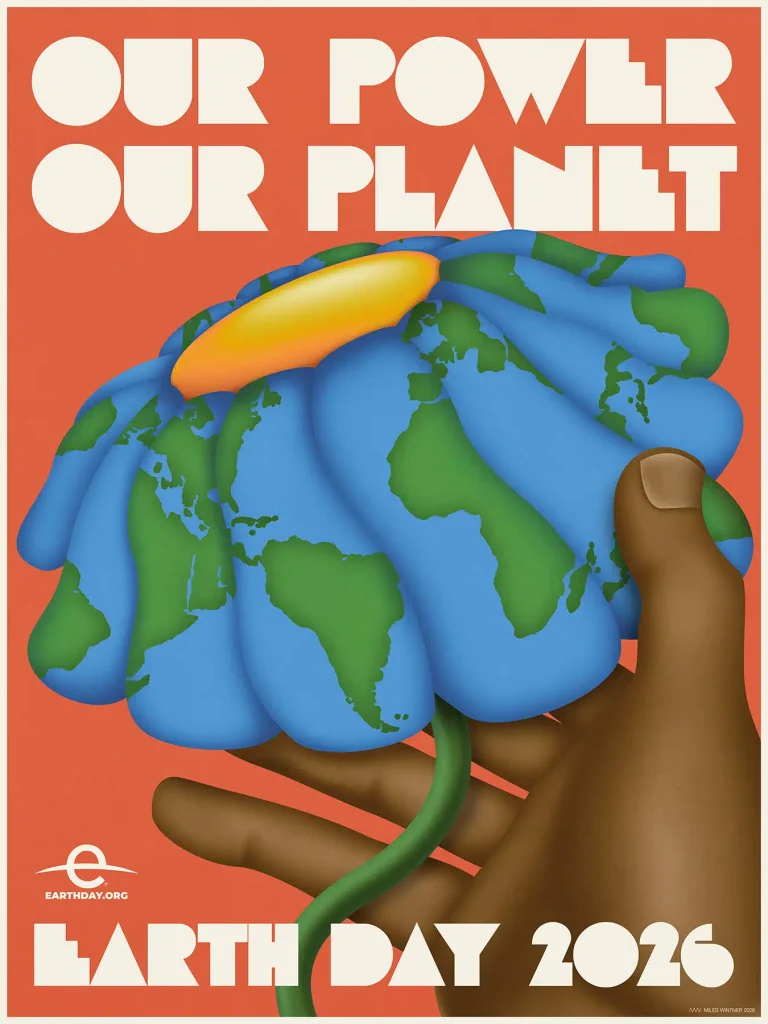
Earth Day will be celebrated April 22 worldwide, and it is fitting that we note the day in the High Plains.
According to EarthDay.org, every year on April 22, Earth Day marks the anniversary of the birth of the modern environmental movement in 1970.
“In the decades leading up to the first, Americans were consuming vast amounts of leaded gas through massive and inefficient automobiles. Industry belched out smoke and sludge with little fear of the consequences from either the law or bad press. Air pollution was commonly accepted as the smell of prosperity. Until this point, mainstream America remained largely oblivious to environmental concerns and how a polluted environment threatens human health.”
Eventually, the movement found some congressional allies, according to the organization.
“Senator Gaylord Nelson, the junior senator from Wisconsin, had long been concerned about the deteriorating environment in the United States. Then in January 1969, he and many others witnessed the ravages of a massive oil spill in Santa Barbara, California. Inspired by the student anti-war movement, Senator Nelson wanted to infuse the energy of student anti-war protests with an emerging public consciousness about air and water pollution. Senator Nelson announced the idea for a teach-in on college campuses to the national media and persuaded Pete McCloskey, a conservation-minded Republican congressman, to serve as his co-chair.”
As a youngster, I remember outings to help clean up local parks in the communities where we lived. As time passed and I began my career in journalism, I wrote numerous articles about local organizations, including church groups, 4-H clubs and FFA chapters, taking on the task of identifying areas to clean up.
Younger members, in the case of 4-H, would gather trash, and older members would pick up tires, scrap iron and debris. If it was a community park, they would rake and gather leaves. With all the energy that youth can generate, it always made for a good story, and it made a difference.
Many organizations in the High Plains continue to recognize the day with community events that help raise awareness about environmental stewardship. Farmers and ranchers were the first stewards, and I think sometimes they get a bad rap for using insecticides and herbicides to protect their crops.
The environment is not an easy task to take care of. Mother Nature regularly throws haymakers—blizzards, floods, drought, high winds, tornadoes and wildfires—that can dramatically change the landscape.
Farmers and ranchers have many decisions to make in a year’s time, but all are centered on what is best for the current year and beyond. The adoption of reduced-till and no-till practices, cover crops and regenerative practices has incentivized producers to take a long-term view.
Only a handful of those concepts were known when the first Earth Day started in 1970, but it comes as no surprise to me because stewardship takes a commitment over many years, and few people have a better view than farmers and ranchers.
Dave Bergmeier can be reached at 620-227-1822 or [email protected].