Cargill begins lockout at Colorado beef plant
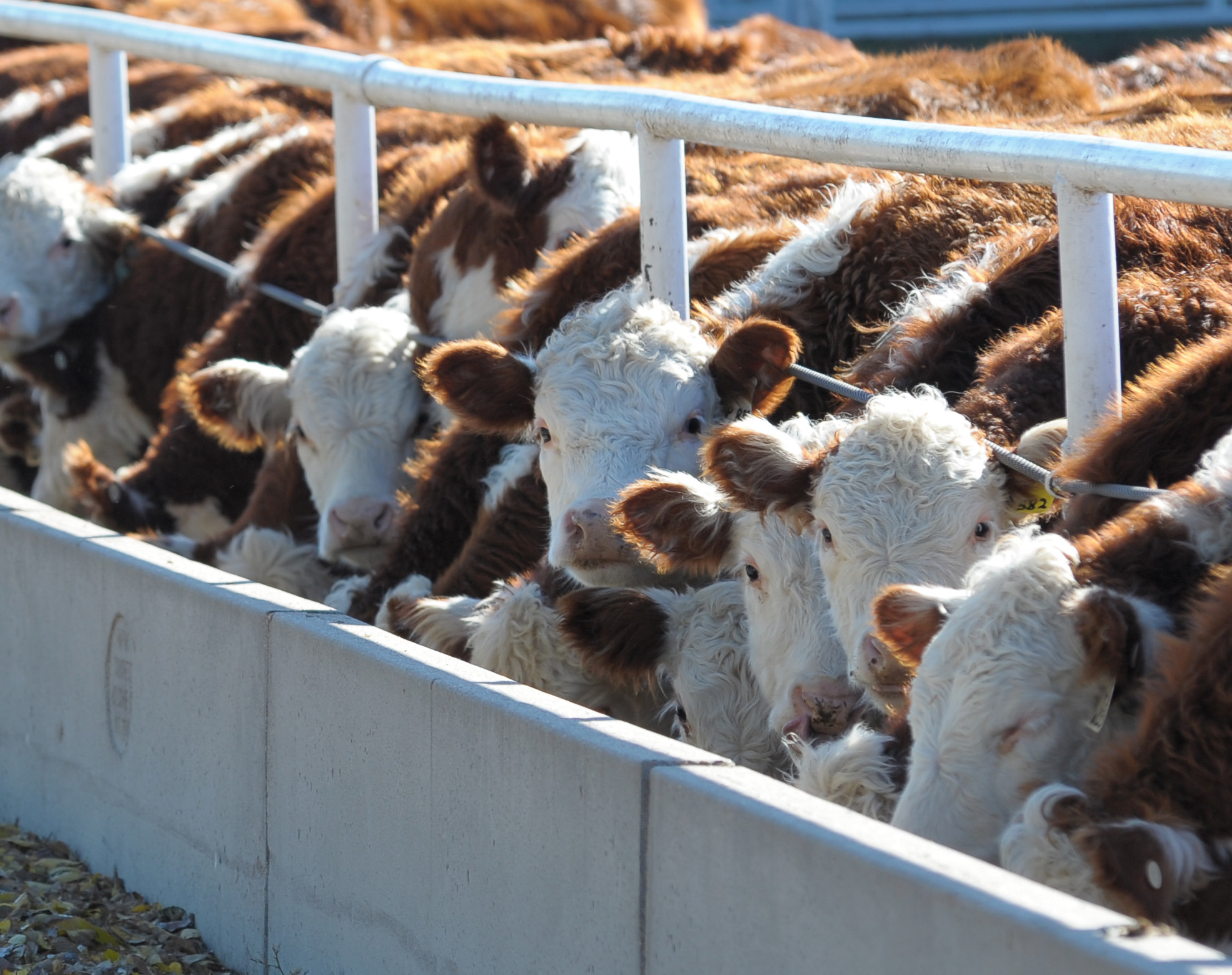
On May 20, a lockout began at Cargill’s Fort Morgan, Colorado, beef facility.
The company said the lockout began after months of bargaining and followed the union-represented employees’ vote against the contract proposal.
“This was a difficult decision and not the outcome we wanted,” the company stated in an email. “We believe our proposal is fair and competitive, representing an estimated $33.4 million investment over five years. While negotiations continue, we remain focused on safety, responsible operations and serving customers through Cargill’s broader supply chain network. Under current plans, we do not expect material impacts to producers or customers.”
The lockout will impact about 1,700 workers, according to media outlets. The lockout was initiated because of continued uncertainty around a potential work stoppage which created challenges for operating safely, responsibly, and reliably, the release stated.
Beef processing involves live animals and highly coordinated operations. A sudden stoppage during production could create risks related to food safety and animal welfare and could result in extensive food waste.
“We respect employees’ right to vote and remain committed to reaching a ratified agreement with the union.”
Derrell Peel, a professor in the department of agricultural economics at Oklahoma State University and a livestock marketing specialist, said Cargill and other processors face reduced volumes.
He expects Cargill to use the time to address maintenance needs.
Cattle originally scheduled for Fort Morgan have been redirected to other Cargill facilities, the company said, so it can continue honoring commitments to producers and customers. Under current operating plans, it does not expect material impacts to either group.
Cargill and other beef processors have all dealt with negative margins, Peel said. Tyson in January closed a processing plant in Lexington, Nebraska, and a company plant eliminated a shift in Amarillo, Texas.
Ranchers have not felt the impacts yet, he said. Cow-calf producers and feedlot operations continue to enjoy high prices. With limited feeder cattle supplies, the market is rewarding cow-calf operators.
Until cow-calf numbers start to increase, which has been impacted by drought in major High Plains states, there will be a shortage of cattle, he said.

Feedlots have been able to adjust because of cheap corn, and the market has been telling producers to get cattle into feedyards as quickly as possible, Peel said. That has helped managers with efficiency.
At some point, feedlot managers will face tighter margins because the nation’s beef herd is at a record low. The cowherd is at about 27.6 million head.
“The cheap cost of gain doesn’t help you if you don’t have anything to feed and that will probably catch up with them more and more as time goes on,” Peel said. “For now, the packers are the ones that have taken it in the shorts.”
Packers generally process cattle in 48 to 72 hours, which limits their options.
“They buy cattle and send out the meat, and it is a very tight turnaround and right now they have really terrible margins, and they’re going to continue to be terrible,” Peel said. “They don’t have the volume to run efficiently so their costs are higher.”
Packer margins are squeezed and they have few options, he added.
Looking ahead, Peel said it was “50-50 odds” the processing plant industry will see additional adjustments.
“It’s not because they want to, but you have to wonder how deep their pockets are and how long they can hang in there because I don’t see any relief coming for packers,” he said, adding it has to start with increasing the size of the nation’s cattle herd. “We haven’t started any real retention process and there’s no light at the end of that tunnel.”
First, it will take Mother Nature providing widespread rains throughout the High Plains, he said. Once that occurs, if cow-calf producers are confident in retaining heifers, it will still take several years before those cattle enter feedlots and processing plants.
The good news for producers is that the consumer continues to want high-quality beef and, as a result, he remains bullish on prices. He encourages producers to use risk management tools because of short-term volatility.
Cargill’s plan
Cargill’s immediate priorities remain:
• Maintaining safety at and around the facility • Managing operations responsibly • Minimizing disruption for cattle suppliers, customers and the local community • Continuing to serve customers through Cargill’s broader supply chain network
Like other beef operations, Fort Morgan is operating in a challenging economic environment, with costs currently exceeding returns, Cargill said. That context does not change its respect for employees or its commitment to bargaining in good faith, but it underscores the importance of reaching an agreement that is sustainable for employees and the facility over the long term.
Since 2018, Cargill has made meaningful investments in Fort Morgan employee pay:
• Base wages have increased from $15.35 to $23.50 an hour
• Average wages have increased from $16.22 to $24.78 an hour, an increase of approximately 53 percent.
• Annual payroll has increased by approximately $32.6 million, from about $64.5 million to $97.1 million.
Cargill has also made broader investments in Fort Morgan in support of employees and the community, including housing initiatives near the plant and facility improvements.
While production was paused, Cargill continued paying employees consistent with the weekly guaranteed requirements outlined in the expired contract.
Dave Bergmeier can be reached at 620-227-1822 or [email protected].