Flood readiness tips for Texas ranchers
Disaster recovery specialists give guidance for preparation and post-flooding recovery
Texas A&M AgriLife Extension Service Disaster Assessment and Recovery, DAR, specialists are ready to be deployed as rivers in parts of Texas are predicted to rise or overflow due to heavy rainfall flooding.
Potential severe thunderstorms in parts of Texas are expected Wednesday through Memorial Day weekend.
“Our Disaster Assessment and Recovery specialists are ready to quickly respond to any immediate needs,” said Monty Dozier, Ph.D., program director, College Station.
Moving to higher ground
River flooding is a primary concern for both homeowners and livestock owners. DAR is prepared to assist with local pet owner needs, pet health as well as livestock recovery efforts in low-lying areas.
Farm equipment and livestock should be moved to higher ground prior to severe weather onslaught. Livestock owners should be mindful of several concerns related to cattle that have been exposed to flooded pastures or low-lying areas. These include:
- Contaminated food and water, standing or stagnant water.
- Sick, diseased or displaced animals.
- Damaged gates, fences.
- Eroded or unstable creek beds.
Following a flood event, Dozier said it’s important to inventory and identify any missing animals, remove potentially dangerous objects from pastures and quickly repair any damaged fences or gates.
Dozier said removing objects from pastures protects more than livestock.
“That protects farm workers and machinery from being injured or damaged when mowing pastures that have grown over and hidden these objects.”
Livestock recovery tips
Livestock owners should check on the condition of their animals exposed to high water.
“It is best to move them out of flooded areas and into dry or covered areas, if possible, then check them for injury and render any necessary first aid as able until a veterinarian can be found,” said Bryan Davis, DAR South region chief, Seguin.
If an animal is injured, clean the wound and dress it with an antibiotic before covering the wound with a bandage.
“Then contact your vet and provide a full description of the injury, so your vet can prioritize the treatment of your animal,” he said.
Davis said animals that have not been able to eat for one or more days should be given a little feed over the first few days, then gradually increase the ration over a week’s time. He also recommends providing access to hay until pastures can be inspected for hazards and forage has time to recover. Also check for signs of illnesses, including respiratory disorders like pneumonia.
“Coughing or hard breathing, non-clear mucus running from the nose could be indicators,” Davis said. “Later you might notice crusty eyes and a lowered head. You’ll want to separate these animals and get them treatment as soon as possible.”
Longer-term considerations
Producers should also be looking for the impacts of extended exposure to wet conditions, Davis said. Foot rot or leptospirosis is another typical problem with cattle after flooding and can occur after an extended rainfall.
Another long-term consideration, especially in low-lying areas, is biting pests, he said.
“It’s important to make sure all livestock vaccinations are current and to apply insect repellents to protect livestock from what will likely be increased mosquito and fly populations,” Davis said.
Protecting livestock from the hazards of flooding and other natural disasters and emergencies is essential to help ensure continued success of farming and ranching operations, Dozier said. Contingency planning and enacting proactive emergency plans can mitigate financial losses, including animals.
Essential steps to take before cleaning up after flooding
Any losses pertaining to livestock, damaged equipment, machinery, agricultural structures, fences and water wells must be documented with digital images to provide further proof of loss.
“It’s advised for landowners to take photos of any deceased livestock before burial or disposal,” Davis said. “After a flood, it’s important to inventory and identify any missing animals, remove potentially dangerous objects from pastures, and quickly repair any damaged fences or gates.”
Reporting, documenting
The following are helpful tips and assistance information:
- Missing cattle: Report stranded, stray or missing cattle to the local county sheriff’s department or contact your local AgriLife Extension county agent. Authorities will assist in gathering the livestock and use brand identification to locate the owner.
- Reporting losses: The Individual State of Texas Assessment Tool, iSTAT, is offered by the Texas Division of Emergency Management. The tool assists emergency management officials in assessing damages through iSTAT damage surveys. These help state officials identify resource needs.
Livestock owners may be eligible for federal assistance, so they should record all details about livestock death losses due to floods. Documentation of the number and kind of livestock that died, when possible, should be supplemented by the following:
- Photographs or video records to document the loss, dated if possible.
- Purchase records, veterinarian records, production records and bank or other loan documents.
- Written contracts, records assembled for tax purposes, private insurance documents and other similar reliable documents.
- Rendering truck receipts or certificates.
Federal and state assistance
The Livestock Indemnity Program, LIP, aids with livestock losses due to disasters. LIP provides indemnity payments for livestock killed in floods that had to be euthanized directly due to the flooding or were injured and sold within 30 days for a reduced rate.
Producers must provide records of their losses, including inventories, financial records, photographs, rendering receipts and veterinary certifications. The deadline to provide notice of loss and submit a payment application is 60 days after the calendar year in which the loss occurred.
Carcass disposal guidelines are available from the Texas Commission on Environmental Quality.
The Texas Department of Agriculture State of Texas Agriculture Relief Fund, STAR Fund, also provides resources for farmers, ranchers and agribusinesses impacted by natural disasters.
The Disaster Assessment and Recovery website contains more preparedness and recovery information.
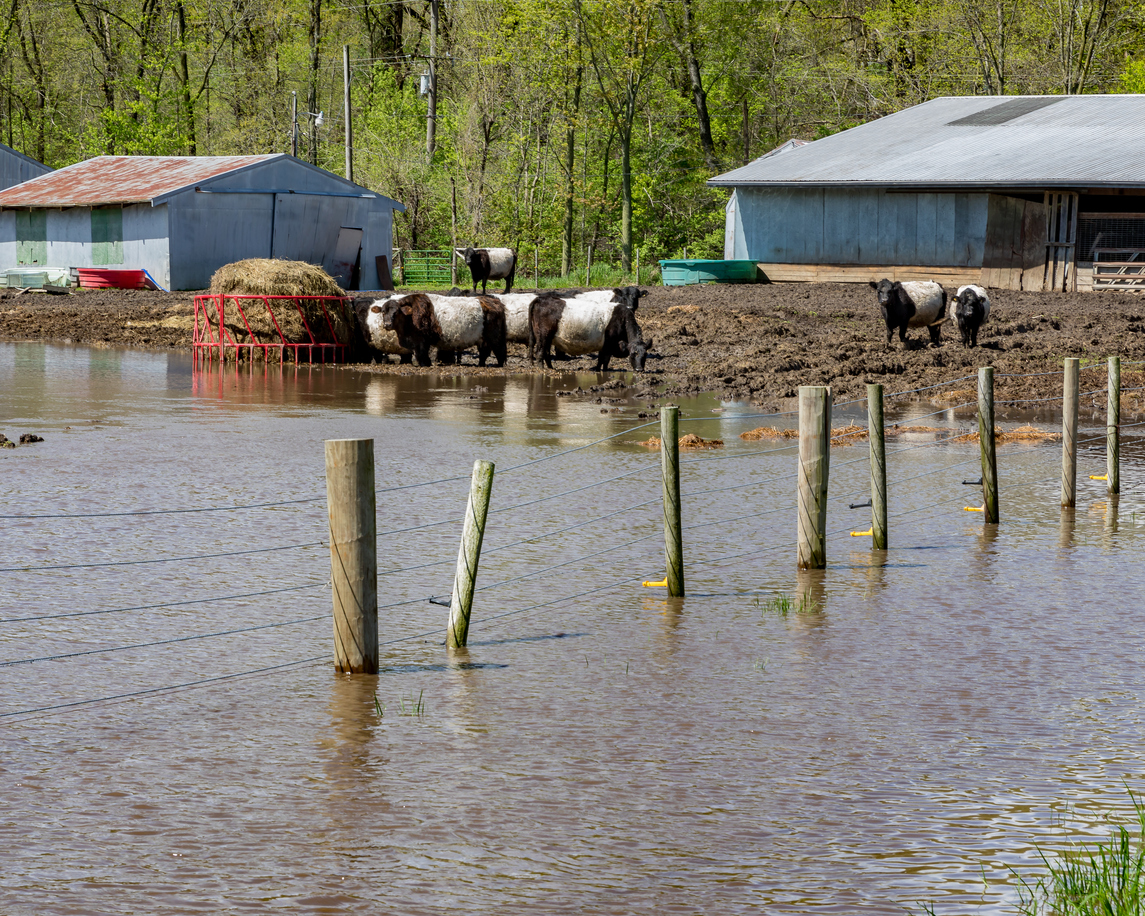
PHOTO: Heavy rains in causing flooding in the Midwest causing problems for grain and cattle farmers. These cattle have moved up to dry ground as water levels quickly rise. (iStock │ #1147191171 – JJ Gouin)