The Pyrenean Mastiff: The ultimate LGD and companion
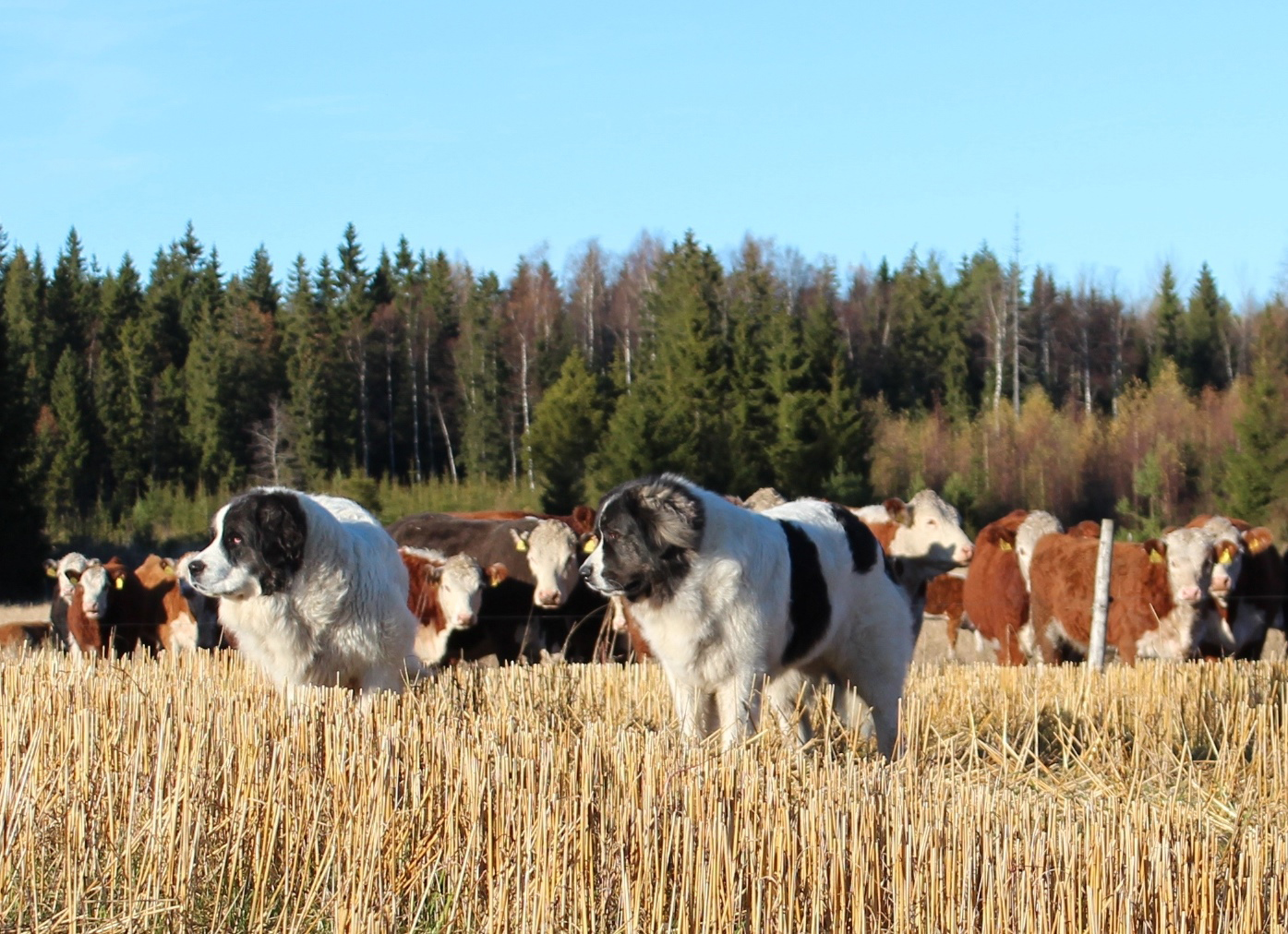
The livestock guardian dog world includes several popular breeds that livestock owners depend on for protection and alerts when predators are nearby. One lesser-known breed that is an ideal choice for an LGD is the Pyrenean Mastiff. The breed is known for its bravery and unwillingness to back down from a fight, but its most challenging battle right now is low population numbers.
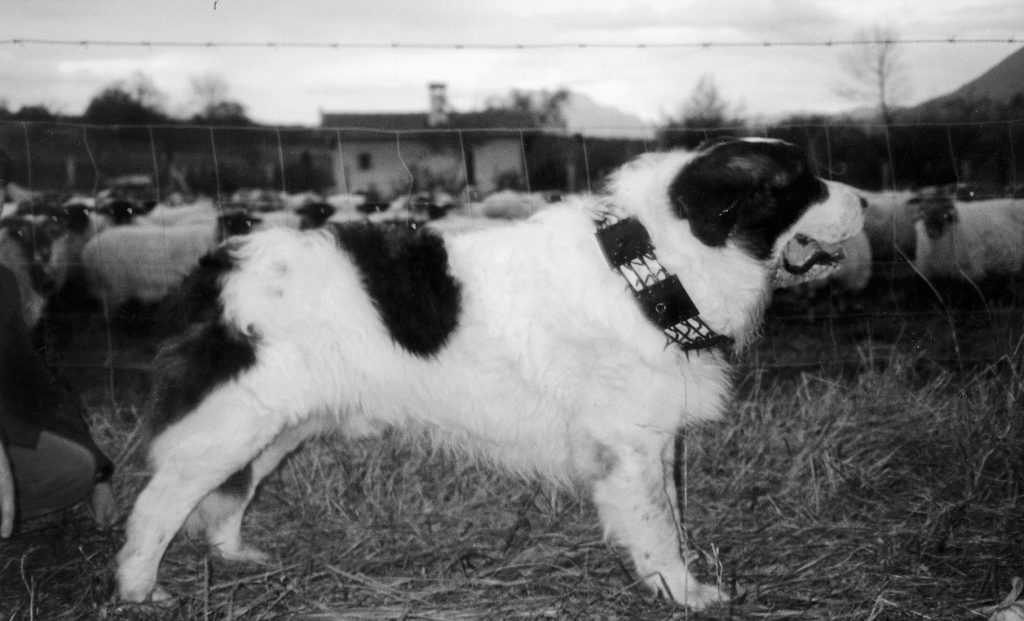
Karina Whittington, president of the Pyrenean Mastiff Association of America, spoke about the breed during a recent Texas A&M Livestock Guardian Dog Program webinar. She said the Pyrenean Mastiff originated in the Argon region of Spain. It was originally part of a landrace of dogs developed from descendants of Molosser hounds brought over from Sumeria and Assyria to Spain by the Phoenicians three to four millennia ago.
These dogs were specifically bred to defend against wolves and bears and were raised alongside herds of sheep with their shepherds. Whittington said she is often asked if the breed is simply a Great Pyrenees and a Mastiff mix, but it is not. Although Great Pyrenees and Pyrenean Mastiffs both originated from the same dogs that were brought to the Pyrenees Mountains long ago, they were split into different regions as boundaries changed over time and the dogs were bred to adapt to different environments and developed into unique breeds.
“The Spanish developed the Pyrenean Mastiff into what it is now and decided to go with more of a rustic look to the breed,” Whittington said. “The French went for a more refined look, which is what you see in the Great Pyrenees. It’s pretty safe to say that they’re distant cousins and not one originated from the other.”
Population and role changes
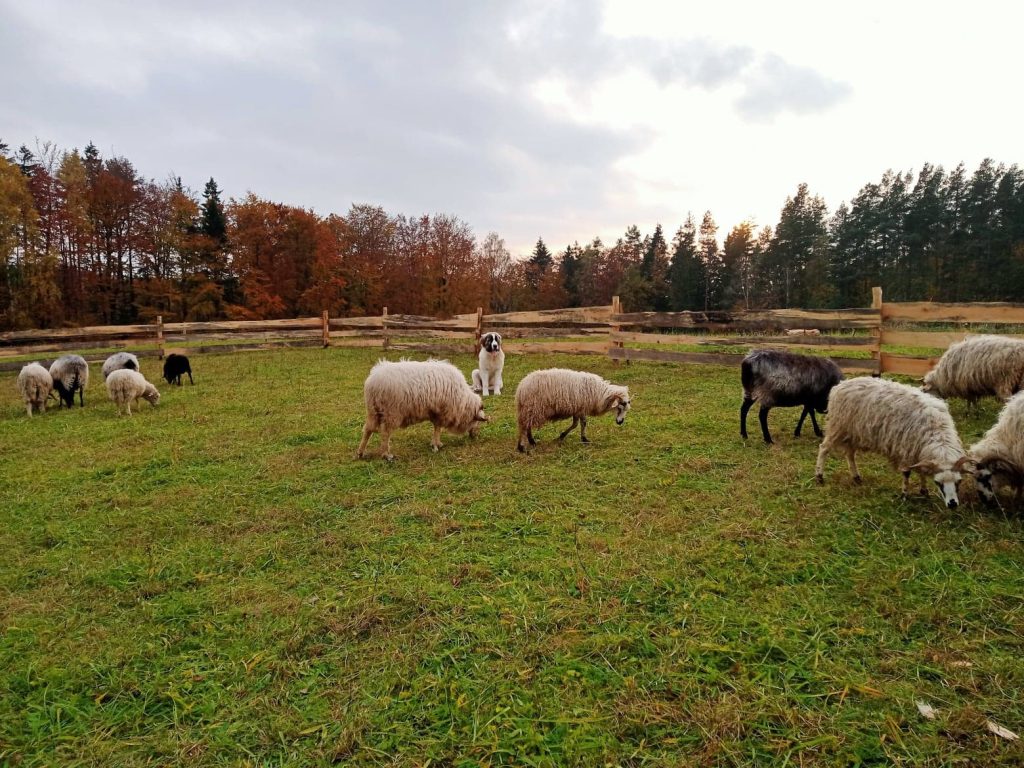
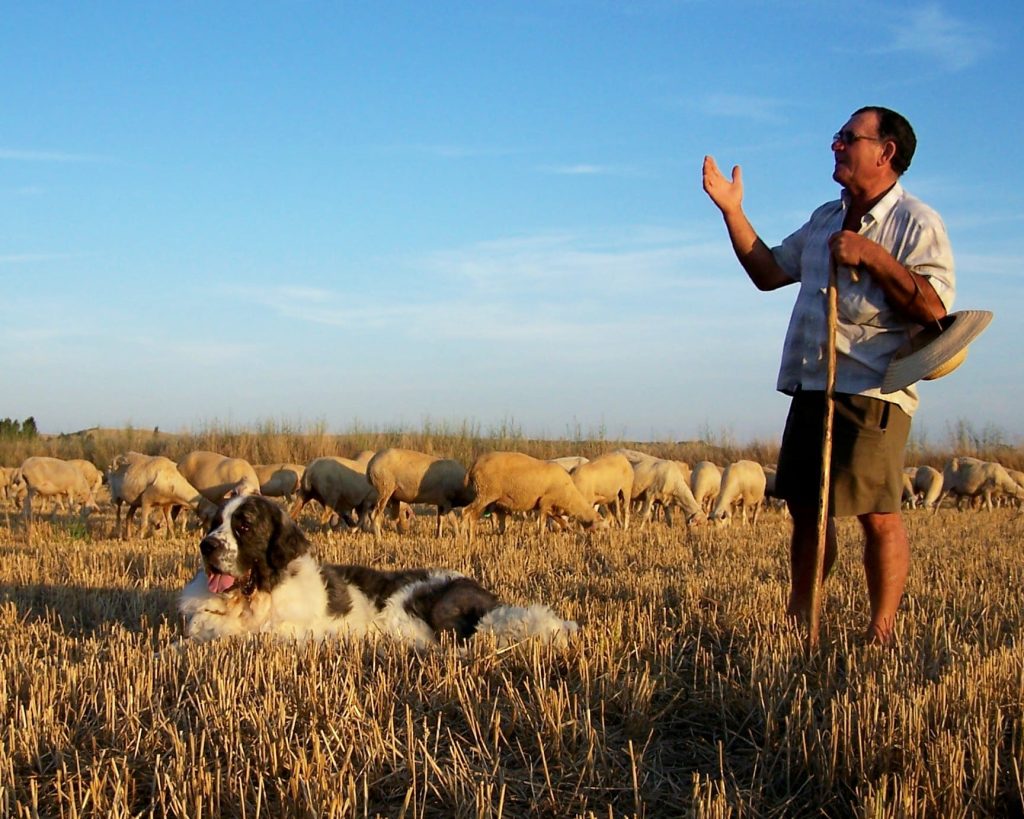
Whittington said with the disappearance of wolves and bears in the 1930s and 40s, the Pyrenean Mastiff’s population saw a decline. Additional factors included the Spanish Civil War, World War II, scarcity of food, cost of raising such large dogs, and then ultimately, the reduced need for their original purpose of protecting flocks of sheep.
“During this time, they became property, estate and family guardians,” she said. “The people who were able to afford these dogs were the people who needed more of an estate guardian, so they had the finances to do so, whereas your average farmer or ranch worker could not afford them during that time. For me personally, I feel this is where we start to see some of the transition into an easier going, lovable demeanor in the Pyrenean Mastiff, and it’s kind of what sets them apart from some other livestock guardians.”
The breed adapted to a new purpose and began its road to a population recovery in the late 1960s and early 70s. Whittington said the foundation of the modern Pyrenean Mastiff was built from 30 dogs that were selected from a pool of 100 that were found by breeders throughout rural Spain. However, there are dogs in rural Spain that are occasionally evaluated and they go to the stud book with the goal of adding genetic diversity to the breeding population to help invigorate the lines for instinct.
“If you breed in a closed gene pool, you start to lose genetics over time, so this is to kind of a way to revitalize our gene pool,” Whittington added.
The breed began to expand in the 1980s, to Sweden, Italy and Finland and was introduced to the United States in 1996, but the breed did not start to garner much attention until 2015.
“After we had a huge increase in the breed, we’re starting to see a decline today. In 2024 we only had 273 puppies, roughly, that were born worldwide.”
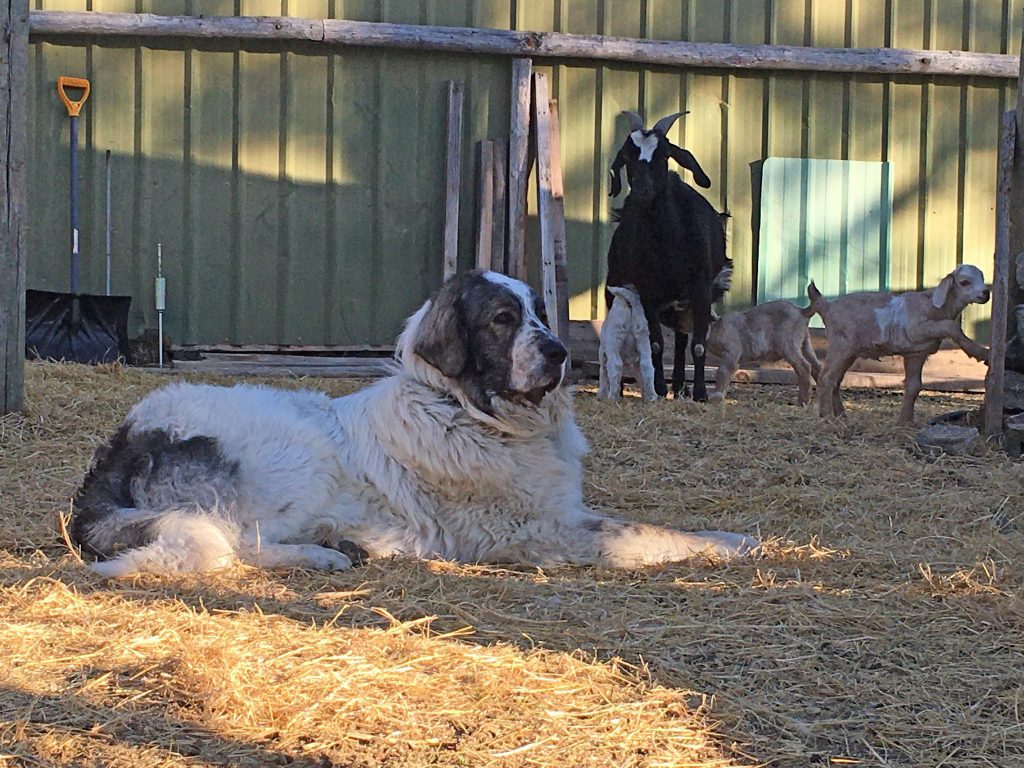
Whittington said several breeders have retired since 1996 and there are currently only six to seven active breeders in the U.S. right now.
“We don’t have enough young breeders who are picking up and producing puppies to compensate for the death rate,” she explained. “At this point, our birth rate is lower than our death rate, which is causing a decline in population. We’re hoping to turn that around in two to three years.”
Whittington said the PMAA is campaigning to improve breed numbers through breeder education, mentorship programs and encouraging responsible and ethical breeding practices to build a strong foundation for the future.
Temperament, size and appearance
Whittington said the Pyrenean Mastiff is the best of both worlds when it comes to temperament as a companion and an LGD.
“They should have an easy-going personality with minimal to no prey drive when working with small animals, and they absolutely are teddy bears when it comes to children and family members,” she said. “People who fall in love with Pyrenean Mastiffs because they can fiercely protect but also discern friend from foe. A lot of these dogs can be guardians at home, but then go out in public and be wonderful with people. That’s what really makes them a good fit for both the companion side, but also that guardian, LGD job. They’re happy-go-lucky, and friendly in nature and you wouldn’t picture them as being a fierce guardian, unless you encountered one and you were a threat.”
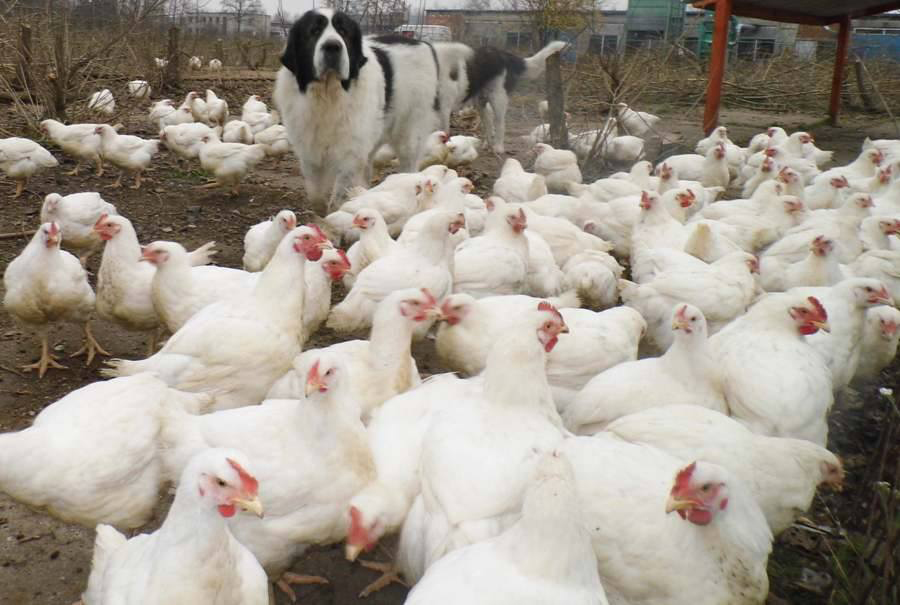
Males and females differ in their temperament and guardian style. Whittington said the males are generally a little bit easier going and spend much of their time evaluating, only reacting to a threat when it is necessary. Females are outgoing, go-getter dogs that are quick to respond to any possible threat.
“They’re going to charge headfirst and be right there to see if it is an actual issue,” Whittington explained. “This is where the male and female duo tends to be really beneficial in a livestock guardian situation, because a male will hang back with the stock while the female may go investigate, and if she really sounds the alarm, then he will be her backup and muscle.”
Similar to the Great Pyrenees, Pyrenean Mastiffs are independent thinkers and do not always follow commands. Whittington recommends training these dogs as early as possible and establishing firm rules and boundaries for best results.
“They are more biddable than some other LGD breeds, but they are more motivated if you make it worth their while. But they still have
their instincts, ultimately as a guardian, which include barking to alert, potential resource guarding tendencies and policing other dogs.”
Whittington said Pyrenean Mastiffs are generally, good with other dogs, if the other dogs are not a threat to them or those around them. Pyrenean Mastiffs are known to be larger than the Great Pyrenees. The breed standard for the Pyrenean Mastiff is a minimum of 30 inches at the withers for males and 28 inches for females; there’s no upper height limit. Whittington said males on average, will be between 130 to 180 pounds, and females average 110 to 140 pounds, with some outliers in both genders.
Unlike the Great Pyrenees, that have double dew claws on both feet, the Pyrenean Mastiff can have singles, doubles or no dew claws. The Pyrenean Mastiff will always have a base white coat color, which will cover their legs, the end of their tail and their feet, and primarily the chest. Whittington said the Pyrenean Mastiff’s coat color and markings are similar to the Saint Bernard, but the head shapes are very different.
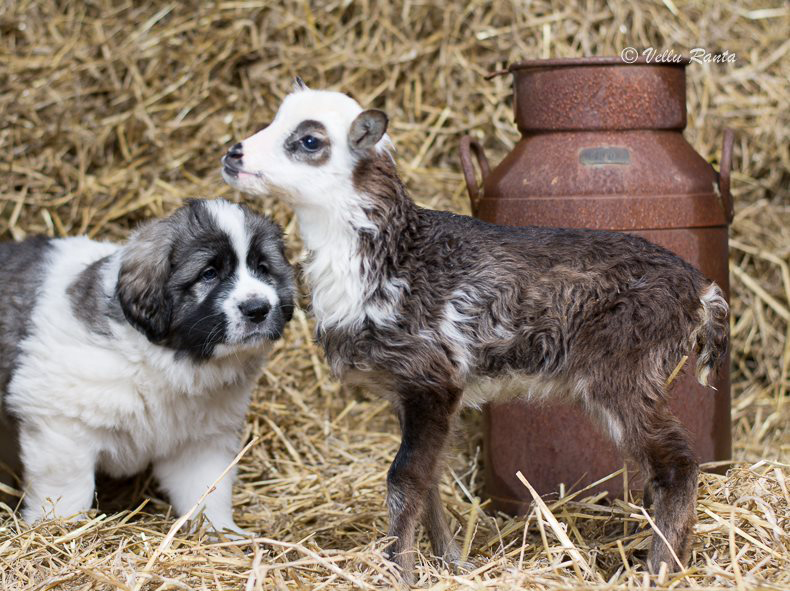
“There are certain naturally occurring colors in the Pyrenean Mastiff, but there is not necessarily to breed standard and there are mismarks. Generally, we’re aiming to have both the eyes and ears covered. There’s no requirement for body patches, and there are dogs that can appear all white. The markings can be mismarked, where they have an eye uncovered, an ear uncovered, or patches of white on their ears themselves. There’s no requirement for body markings and the only bare minimum is going to be the eyes and ears.”
To learn more about the breed and own one, visit www.pyreneanmastiffassociation.org.
Lacey Vilhauer can be reached at 620-227-1871 or [email protected].