Nebraska dealing with devastating wildfires
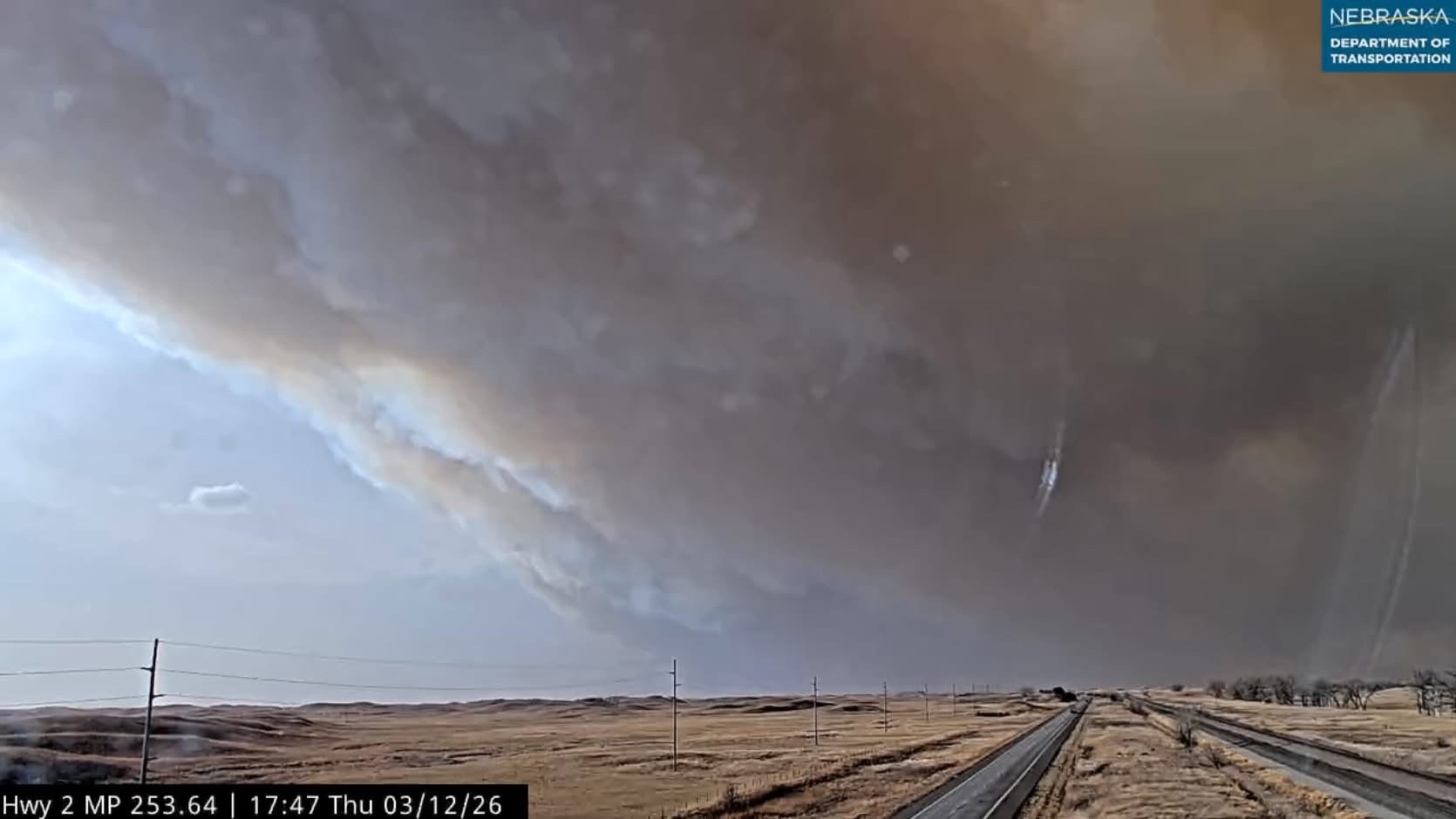
Gov. Jim Pillen issued an emergency proclamation to unlock state resources and support the response to multiple wildfires in central and western Nebraska that have burned hundreds of thousands of acres of land across multiple counties and resulted in evacuations in nearby communities.
Roadways have also been closed due to low visibility, according to the Nebraska Emergency Management Agency.
“These fires present a significant and active danger, given current weather conditions,” said Gov. Pillen on March 13. “Anyone living within proximity to current wildfires are urged to heed communications issued by local authorities, including their respective county emergency management agencies.”
The governor had activated a Complex Incident Management Team for consolidated management of the Morrill County and Lincoln County fires, which have exceeded 300,000 acres and 50,000 acres, respectively.

After a tour over the weekend, Gov. Pillen provided an update on operations following an aerial tour of wildfires burning across Nebraska. He was joined in the briefing at the Keith County Fairgrounds by U.S. Sen. Pete Ricketts and U.S. Rep. Adrian Smith. Lt. Colonel Scott Henrickson, chief of the joint staff for the Nebraska National Guard also spoke, providing an update on personnel and equipment deployed by the Nebraska National Guard to support local firefighters
In total, three of the state’s largest wildfires have damaged around 600,000 acres. Gov. Pillen spoke specifically about impacts resulting from the Morrill County fire, which has now consumed 460,000 acres and the Lincoln County (Cottonwood fire) near Gothenburg, which has burned 100,000 acres. The Road 203 fire near Halsey has burned 40,000 acres.
One person has died during the fire.
Gov. Pillen emphasized that the state is taking a proactive approach to enlisting additional resources for fire suppression and providing assistance to community volunteer firefighters, who have been working around the clock. He has called the mayors of Omaha, Lincoln and Columbus to see what fire personnel and equipment they would be able to provide. He also indicated he would contact other mayors and nearby states like Iowa, to see what assistance they could lend.
“This is a fight from the river to Harrison, and I’m really excited that we’re getting people deployed to help our volunteer firefighters,” he added.
The Nebraska National Guard has deployed 29 airmen and soldiers to assist with firefighting efforts in central and western Nebraska. That includes a ground firefighting hand crew, which is working shoulder to shoulder with local fire teams. Two Nebraska Army National Guard UH-60 Blackhawk helicopters equipped with Bambi buckets have also been flown to the area for aerial firefighting support.
“We are working to get more resources into the state, but as we heard, there are multiple fires across multiple states,” said Lt. Col. Henrickson. “We are still working to see what is available and of course, bring that up in a unified effort here with the local emergency management team as well as our Nebraska Emergency Management Agency.”
NEMA has requested and received approval from the Federal Emergency Management Agency for a Fire Management Assistance grant, which is designed to help support efforts to mitigate, manage, and control fires on public or private forests or grasslands. That assistance may help recover some of the costs associated with the state’s ongoing fire response.
Gov. Pillen also mentioned ongoing assistance from the Nebraska Department of Transportation, which is providing road graders to create necessary roadblocks to prevent the spread of flames.
The Nebraska Emergency Management Agency had received many reports of wildfires Major fires that are being tracked include the following:
- The Road 203 fire south of the communities of Halsey and Dunning within the Nebraska National Forest. Due to its location, this fire is currently being managed by federal authorities.
- The Lincoln County fire (Cottonwood fire) south of I-80, near Brady and Gothenburg.
- The Morrill County fire north of Nebraska Highway 92, between Crescent Lake National Wildlife Refuge and Lake McConaughy.
- The Anderson Bridge fire west of Valentine.
The Rocky Mountain Complex Incident Management Team 1 assumed management of the Morrill and Cottonwood Fires the evening of March 15, NEMA said. The team will coordinate closely with local resources.
When wildfires increase in complexity and require more resources, CIMTs are ordered to help manage and support the incident. The Rocky Mountain CIMT1 is comprised of local, state and federal personnel largely from Colorado, Nebraska, South Dakota and Wyoming. Its members have specific qualifications in incident management positions such as operations, logistics, finance, planning and public information.
The team’s operations group spent yesterday alongside local crews on both fires to begin becoming familiar with the area. Scouting and planning will continue today as additional resources arrive and are incorporated into the firefighting effort. High winds are expected to keep aircraft grounded.
Cottonwood fire
Crews will be assessing structure protection needs on the north side of the fire. Personnel on the northwest side will scout for areas where they can directly engage the fire and identify features where the opportunities to hold the fire will be successful.
Local crews will continue to patrol and mop-up the fire line on the south and southeast flanks, where fire activity has lessened.
Morrill fire
The fire made a push south in the Clear Creek area west of Lake McConaughy but did not cross the North Platte River. On March 16, personnel will support local resources engaging the fire. Firefighters will continue to scout the area and track resources. The structure protection group will conduct assessments.
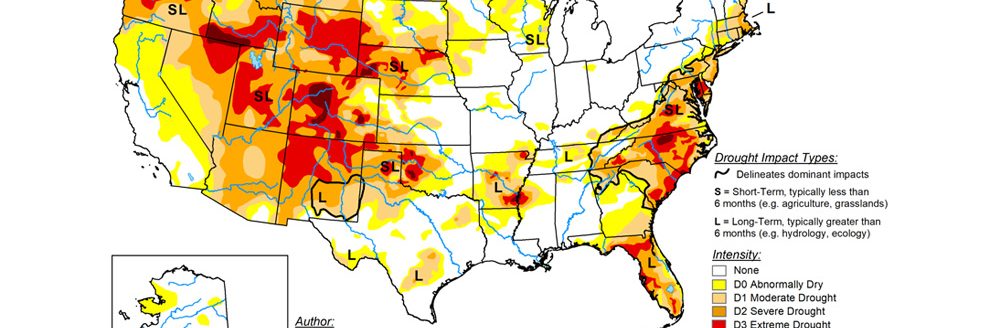
It had snowed on the northwest side of the Morrill fire, but with the strong winds it may not mitigate fire behavior. With low temperatures forecast to be under 10 degrees the morning of March 16, firefighters must take special precautions to protect their engines and equipment, such as draining water, parking inside and using antifreeze. While temperatures are cold today, hot and dry weather is forecast later in the week with record temperatures possible. The area is experiencing significant drought, and fuels are cured and very receptive to fire.
A temporary flight restriction is in place over the Morrill and Cottonwood fires. Wildfires are a no-fly zone for unauthorized aircraft, including drones.
The governor and his team have been closely monitoring these fires, which significantly worsened with continued severe wind conditions across Nebraska. The fires have grown beyond the capacity of local wildland fire responders and firefighters.
Gov. Pillen had ordered the activation and deployment of multiple state assets and resources in response to the fires. Fire response actions include:
• Authorizing the deployment of 26 Nebraska National Guard soldiers and airmen to assist local fire crews.
• Ordering the deployment of a fixed-wing fire suppression aircraft for fire suppression.
• Ordering the deployment of a Nebraska Army National Guard helicopter and crew to support local fire fighters with quick and targeted aerial water drops, particularly in areas where ground respond capabilities are limited.
• Ordering the deployment of a Nebraska Army and Air National Guard firefighting hand crew to support local fire fighters.
• Ordering several Nebraska Department of Transportation road graders to Oshkosh and surrounding areas. This heavy equipment will assist with creating fire breaks to slow the growth of existing wildfires and contain them.
• Activating the State Emergency Operations Center to provide centralized interagency coordination and monitoring at NEMA headquarters in Lincoln.
In addition to the items above, the Nebraska State Patrol has been assisting with evacuations and traffic control in specific affected areas.
Red Cross providing support in areas affected by wildfires
As wildfires continue to impact communities across central and western Nebraska, American Red Cross volunteers remain on the ground providing critical support. Since the middle of last week, the Red Cross has mobilized volunteers and resources to deliver care and comfort where it is needed most.
The Red Cross is currently operating a shelter at the Brady Community Center, 121 N. Main Street, Brady. Volunteers are welcoming residents displaced from their homes, offering a safe place to stay, meals and assistance with other immediate needs. All are welcome at Red Cross shelters.
The Red Cross is also working with partners to support a respite center in North Platte, where firefighters can access meals, snacks, showers and a place to rest between shifts.
The Red Cross remains in close communication with local officials across the impacted areas to assess emerging needs. As this situation continues to evolve rapidly, the organization is prepared to adjust its response to provide the most effective support for affected communities.
Residents affected by the wildfires can receive assistance by calling 1-800-RED-CROSS (1-800-733-2767). The free Red Cross Emergency App is also available for weather alerts, shelter locations, and safety information.