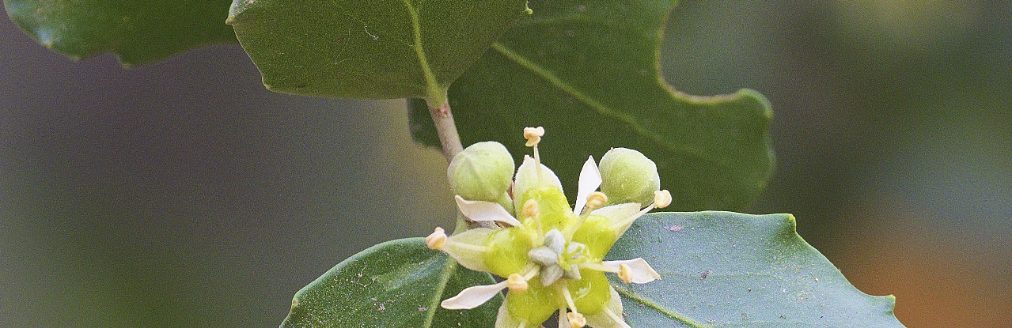
Feedamite supports predatory mite population growth

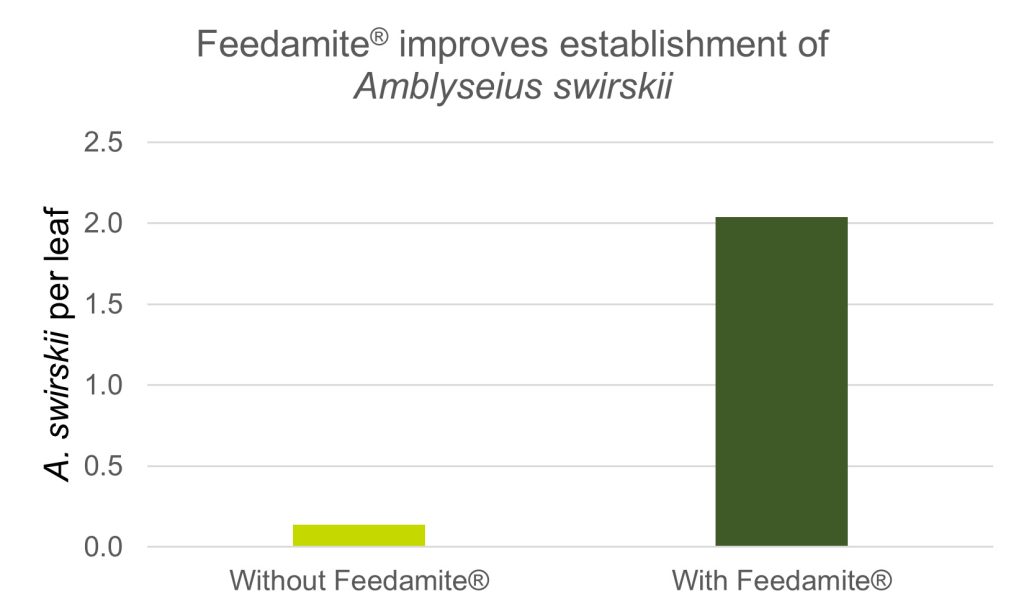
Boosting predatory mite establishment and improving biocontrol performance, Belgium-based Biobest has expanded its range of alternative food sources with Feedamite. As a non-pollen alternative to Nutrimite, it is particularly suitable for crops using overhead irrigation.
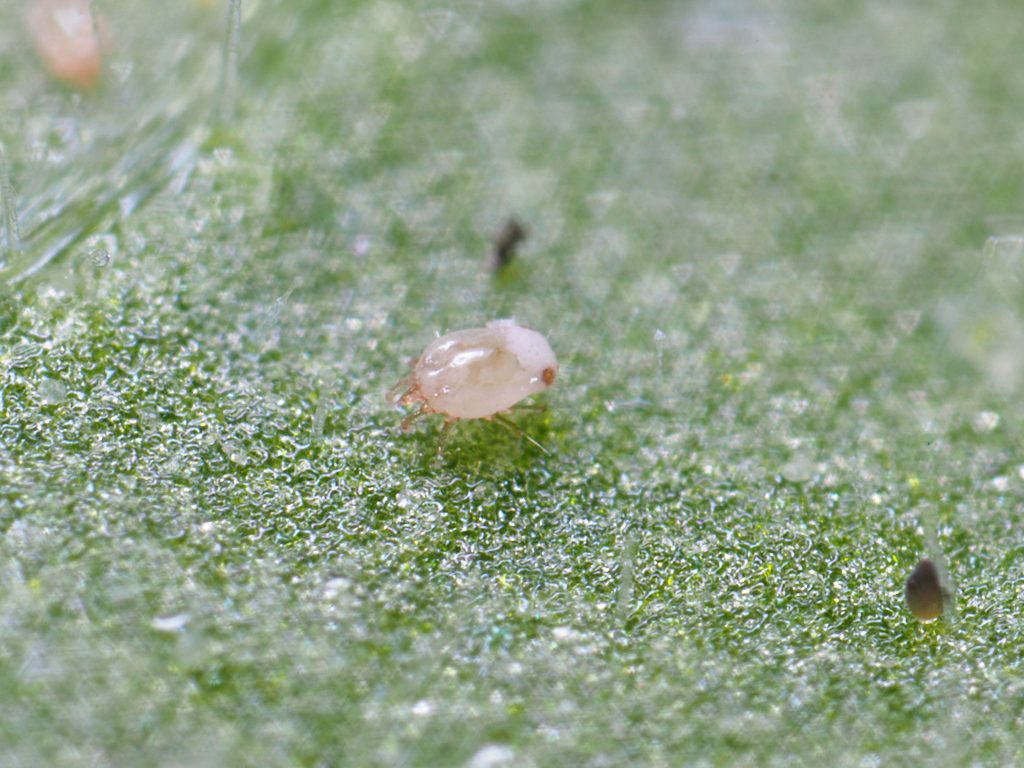
Based on the feeder mite Carpoglyphus lactis, this supplementary feed accelerates the development of predatory mites and helps sustain populations when prey or pollen are scarce. This supports consistent biological control when crops need it most.
How can you build predatory mite populations before pest pressure starts?
“Supporting preventative IPM strategies, Feedamite promotes early establishment of predatory mite populations before pest pressure builds, helping to create ‘standing armies’ of predators,” said Dominiek Vangansbeke, team leader, predatory mites, at Biobest. “This allows growers to build predator populations early and maintain effective biological control as the crop develops.”
Feedamite is recommended for use alongside products including Swirskii-System, Californicus-System, Cucumeris-System, Andersoni-System and Montdorensis-System. Together, these solutions help optimize IPM programs in vegetable, soft fruit and ornamental crops.
Why use Carpoglyphus lactis as food for predatory mites?
“For 20 years, Carpoglyphus lactis has been bred as a factitious food source in the mass production of predatory mites,” Dominiek said. “To ensure product purity, the Carpoglyphus used in Feedamite is produced in a separate rearing system within a dedicated mite production facility.
“Importantly, due to the structure of its mouthparts, this feeder mite cannot feed on plant material and therefore poses no risk of crop damage. However, it is an ideal food source, as predatory mites feed on all five Carpoglyphus life stages, from egg to adult. Under optimal conditions, each female feeder mite can lay more than 100 eggs, providing a continuous supply of food for predatory mites.”
How and when should feeding supplements be applied?
For best results, Feedamite should be applied at the same time as or shortly after predatory mites are released in the crop. Weekly applications are recommended to maintain a steady food supply, supporting stable predator populations throughout the crop cycle.
Feedamite can be applied manually or mechanically using the Entomatic family of applicators. This includes the portable handheld dispenser Entomatic HD, engineered for speed and accuracy. These dispensers enable growers to integrate supplementary feeding into their biological control programs.
For more information, contact a representative or visit biobest.com.