I just arrived in Douglas, Arizona, as the U.S. Department of Agriculture had plans to allow live feeder cattle to cross the border into the United States from Mexico on Aug. 24.

These crossings have been blocked and prohibited for a year and a half due to concerns about New World screwworm. The USDA personally don’t have an accelerated concern about the cattle crossing the border bringing NWS into the U.S. I will have more details about that process later.
For the record, I am not a fan of the statement made Aug. 21 about eliminating tariffs on Argentinian beef as an attempt to decrease the cost of ground beef for U.S. consumers.
My question is why beef?
At our place in Nebraska, property taxes in the past 20 years have increased by 285%. Our insurance costs have more than quadrupled and we have trimmed operating expenses. . All those increases have led to a tripling in the cost of pasture rent the past 20 years. So why are cattlemen forced to pay inflated 2026 prices for every input but sell our product at the level of 2000 markets?
The Consumer Price Index says that since 2000 the cumulative price increase has been 53% across the board. But let’s take a look at the individual breakdown:
- Housing: Prices rose by 64.87% (average annual inflation of 3.17%)
- Food and beverages: Costs increased by 56.75% (average annual inflation of 2.85%)
- Other goods and services: Expenses grew by 57.92%.
- Medical care: Costs escalated by 52.50%.
- Transportation: Prices increased by 47.10%.
- Recreation: Costs rose by 27.32%.
Wages vs. costs. While nominal median household incomes have risen from approximately $53,568 in 2010 to $85,000 in 2026, the real purchasing power has not kept pace with essential costs. Housing costs as a percentage of median income jumped from 4.1x income in 2010 to 5 to 8x in 2026. Similarly, college education ratios increased from 14% of income in 2010 to nearly 40% in 2026, but the absolute annual costs for public universities rose from $7,605 to over $12,000, and private universities from $27,293 to over $45,000.
So again, why should the cattlemen get paid the same price for their products that they did back in 2000?
The real question for me is what is the stronghold with Argentina and Donald Trump? In March 2026, China rejected a large shipment of beef from Argentina because they detected an illegal antibiotic in the meat. Beyond that, take a look at what has happened with Argentinian beef heading to China.
Datamar News reported on Aug 6, 2026:
At the start of 2026, the average prices paid by China for imported beef were nearly 10% higher than a year earlier. By the end of the first half, the increase had exceeded 30% year on year.
For Argentine shipments, FOB prices have risen by $200 to $300 per metric ton in recent weeks, reflecting expectations of a tighter supply in the international market.
For many reasons, in my opinion, it is very clear to see that the supply of beef globally is in a critical situation. I believe that is part of the World Economic Forum and it is accelerating very quickly. This is not a drill; this is not your normal seven-year beef cycle.
I have just driven 1,150 miles from my home to Douglas, Arizona, and the limited number of cattle I saw on that journey was scary. Even worse, in my opinion, it is evident that there is a plan to convert food producing acres into heavily subsidized industrial projects that will permanently change the landscape, suck up resources and end livestock production forever.
We are at the critical point for the future of the beef industry and the nation’s population as well. In 1940 we had 50 million sheep and today we have fewer than 5 million. However, even Australia and New Zealand are down from 225 million sheep in 1940 to around 100 million today.
The global attack on livestock ownership is real and has landed in your backyard. They’ve taken down the sheep industry and beef is in the crosshairs. While the checks may have been good for the past year, can you afford to take a “wait-and-see” attitude before you get involved?
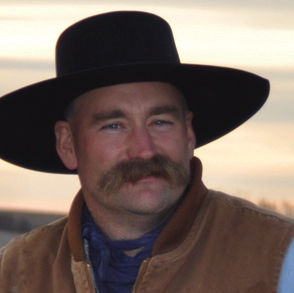
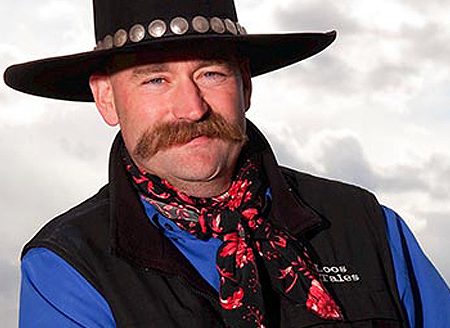
Editor’s note: The views expressed here are the author’s own and do not represent the view of High Plains Journal. Trent Loos is a sixth generation United States farmer, host of the daily radio show, Loos Tales, and founder of Faces of Agriculture, a non-profit organization putting the human element back into the production of agriculture. Get more information at www.LoosTales.com or email Trent at [email protected].
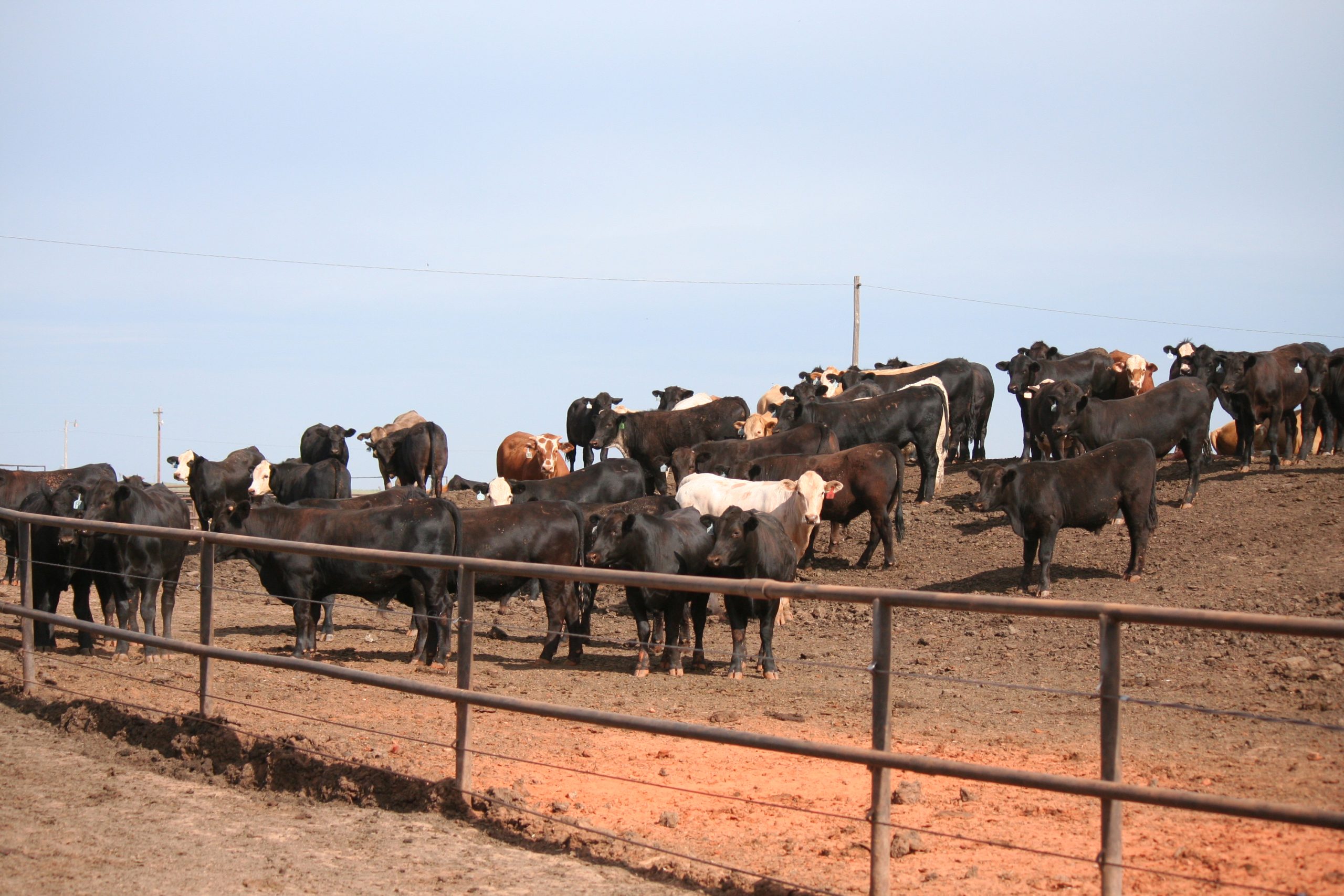
PHOTO: Bovine Congestive Heart Failure is becoming more prevalent in feedlot cattle. (Journal photo by Lacey Vilhauer.)