
Wheat state no more? Let’s hope not
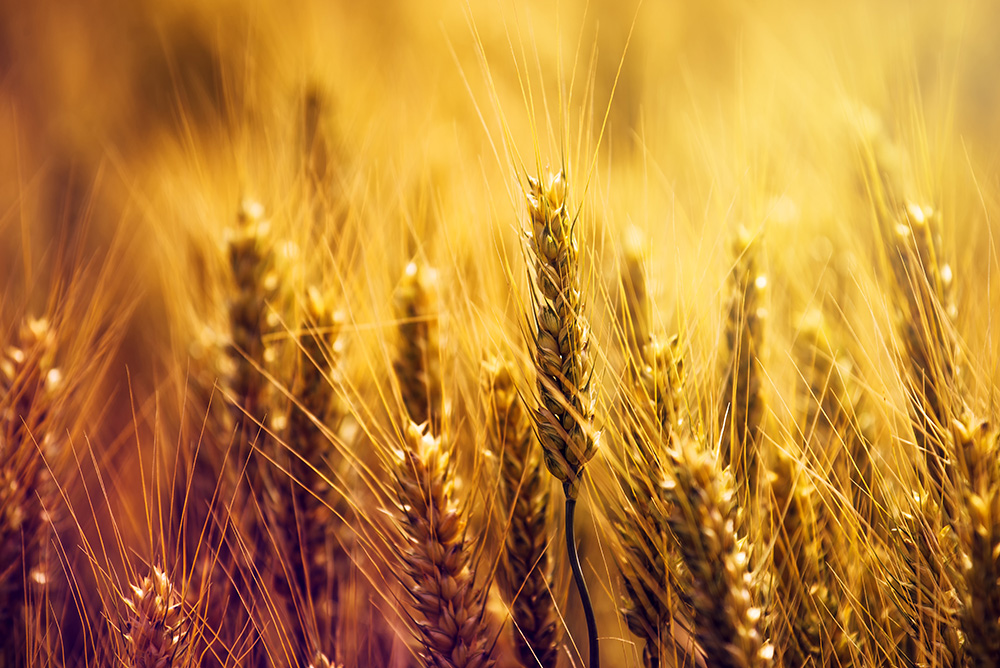
Kansas has always been the wheat state. Wheat has adorned our license tags, different logos and other art. There is nothing more majestic than a ripe, golden wheat head to photograph or the amber waves of grain to video. Some of my favorite childhood memories involve wheat harvest in western Kansas.
According to Kansas Wheat, the first wheat crop in the state was grown at the Shawnee Methodist Mission near Fairway in Johnson County in 1839. Production spread westward as the territory was settled eventually becoming a state in 1861. Early on, wheat didn’t grow well in Kansas. Spring wheat suffered because of hot, dry summer weather. Yields were low and the challenging climate caused drought.
Turkey Red wheat was introduced to Kansas in 1874 by Russian Mennonites. The hardy variety was planted in the fall and could withstand Kansas’ cold and dry winters. Moisture during the winter and early spring helped the variety survive until early summer harvest. Turkey Red helped revolutionize the Kansas wheat industry and is the ancestor to all hard red winter wheat varieties grown across the plains today.
The Kansas Wheat website said in 1886 farmers in the state grew wheat on 68,000 acres with 19 bushels per acre. By 2014, 8.8 million acres were harvested, reaching 38 bushels per acre. According to U.S. Department of Agriculture numbers in 2025, nationally, 1.5 billion bushels of all wheat types was recorded over 21.04 million harvested acres. Average winter wheat yield was estimated at 47 bushels per acre.
I despise the term, “we’ve always done it that way” and to me, that seems like what often happens in agriculture. Many farmers and ranchers are rooted in tradition. Change is slow, and often painful. But from the looks of it, Kansas farmers have already considered and went through with planting other crops instead of wheat, as more corn and soybean acres have been planted in the last two years.
This year wasn’t kind to the Kansas wheat crop. Continued drought in many areas of the state plagued the crop that was planted when it was dry. Rain didn’t come at the right time, with many getting rain when the remaining wheat was ready to harvest.
A Google search tells me the 2026 wheat crop was cut in half to roughly 196 million bushels in Kansas due to severe drought and dry spring conditions. “This steep decline reflects broader multi-decade pressures facing traditional wheat acreage as farmers shift toward more profitable or resilient crops like corn and soybeans.” The Aug. 12 World Agricultural Supplies and Demand Estimates report reflected the change at the national level.
For a long time, wheat was referred to as the poverty crop or poverty grass, because it’s hard to get rich growing it. Low commodity prices compared to corn or soybeans barely cover the high growing costs. Again, in my opinion, nobody is getting rich farming these days.
I took a look at Kansas crop prices from U.S. Department of Agriculture’s-Agricultural Marketing Service. For Aug. 19, Kansas elevators reported wheat prices $6.87 to $7.02 a bushel, compared to $4.18 to $4.26 a year ago. Both corn and soybean prices per bushel were up slightly from a year ago, but not nearly as much as wheat. That’s promising, except the price of fertilizer, seed, fuel and other inputs have been steadily rising too.
Farm bankruptcies are also up. According to a report from the American Farm Bureau Federation earlier this year, Chapter 12 bankruptcies increased for the second year in a row, reaching 315 filings in 2025. This is a 46% increase from 2024. In the Midwest, which includes Kansas, there were 121 filings in 2025, a 70% year over year change.
I see a lot of farmers and ranchers trying new things and diversifying their operations in order to survive. I think you have to in this environment. You also need to know your numbers. Know them by heart. Know what it would take for you to walk away or to find help. There’s no shame in that.
Kylene Scott can be reached at 620-227-1804 or [email protected].
PHOTO: Golden wheat in field. (Adobe Stock-#142076974 │ Bits and Splits)



