Avoid costly surprises by reviewing insurance policies before disaster strikes
If Jay Caffey could offer some advice to homeowners, it would be to know and trust your insurance agent.
Caffey and his wife, Brooke, lost their home of 25 years in the Pecan Hill neighborhood in the March 2025 wildfire in Stillwater.
“I honestly didn’t know what (coverage) I had,” Caffey said. “I knew it was decent coverage, but I didn’t know much about replacement vs. cash value. There have been some hiccups along the way in this process, but our local agent has played an important role in helping move things forward constructively.”
Caffey isn’t alone in not knowing exactly what a policy covers. An insurance policy is something Oklahomans purchase, hoping they never have to use it. After paying the premium, most people forget all about the policy – until they need it. When a disaster occurs, the fine print homeowners skimmed all those years ago can make the difference between peace of mind and costly surprises.
“Don’t choose a policy based just on the cost,” he said. “It’s important to know exactly what you’re paying for. That first day after the fire, I was more concerned about where we were going to stay as opposed to what coverage we had.”
Living in tornado alley, Oklahomans are well-versed in the damage a twister can cause. Wildfires and floods are other disasters that can inflict major damage and leave people homeless. Having an up-to-date insurance policy is a necessary safety net to help families rebuild, said Mengya Wang, Oklahoma State University Extension personal finance specialist.
“It’s not just your homeowner’s policy — it’s important to review all of your policies, including car and life,” she said. “Insurance isn’t a buy it once and forget about it scenario. Things in your life will change. Marriage, children, home improvements — all of these things will alter your insurance needs.”
Wang suggests contacting the insurance company and reviewing the policies. Make sure the policy reflects the cost of rebuilding/construction. Building materials have gone up, and the current policy may not cover the cost of completely replacing a home and its contents.
“Make sure you understand the deductible, and get clarification not only on what the policy covers, but what out-of-pocket expenses you may incur,” she said. “To get the best deal, shop around, but make sure each company is providing the same coverage. Compare apples to apples to ensure accurate coverage. Consumers may be able to discount costs by bundling homeownership and car insurance.”
Homeowners also need to determine whether the policy covers items such as swimming pools, outdoor kitchens/patios, landscaping or golf carts.
Caffey said his family was fortunate because his policy covered living expenses for up to two years if he planned to rebuild. They opted to buy a home in another neighborhood instead.
To help expedite a claim, have documentation of the home’s contents. Take pictures and videos of everything in the home. Open closets and drawers and document what is inside. Remember to photograph the contents of the garage and storage buildings. Scan receipts to prove the purchase price of items. Save the photos, videos and receipts in the cloud or put them on a thumb drive and store it in a safe deposit box or somewhere away from home.
“One holdup with our insurance is for the remaining contents payout,” Caffey said. “We got a small check right away that was part of our contents coverage, and we used it to buy some clothes and other necessities. All we had were the clothes on our backs. We were in shock for the first 24 hours after losing everything, and the insurance company wanted us to provide a list of everything we owned right away. Our local agent has been with us from day one, guiding us through this process. Knowing and trusting your agent is so important.”
Wang advises homeowners and those with renters’ insurance to contact their agent now to review the policy.
“You can even ask for an inventory sheet to fill out now, so you don’t have to try to remember everything in the event of a fire, flood, tornado or other disaster,” she said. “Fill out that sheet and store it in multiple places.”
Caffey’s final advice is to find a trustworthy insurance agent.
“During this experience, I’ve learned the importance of having an experienced, responsive agent who understands your situation and advocates on your behalf makes a significant difference in navigating coverage and claims,” he said. “I’ve been fortunate to have that support, and it’s been a key factor in making sure we have the right coverage in place.”
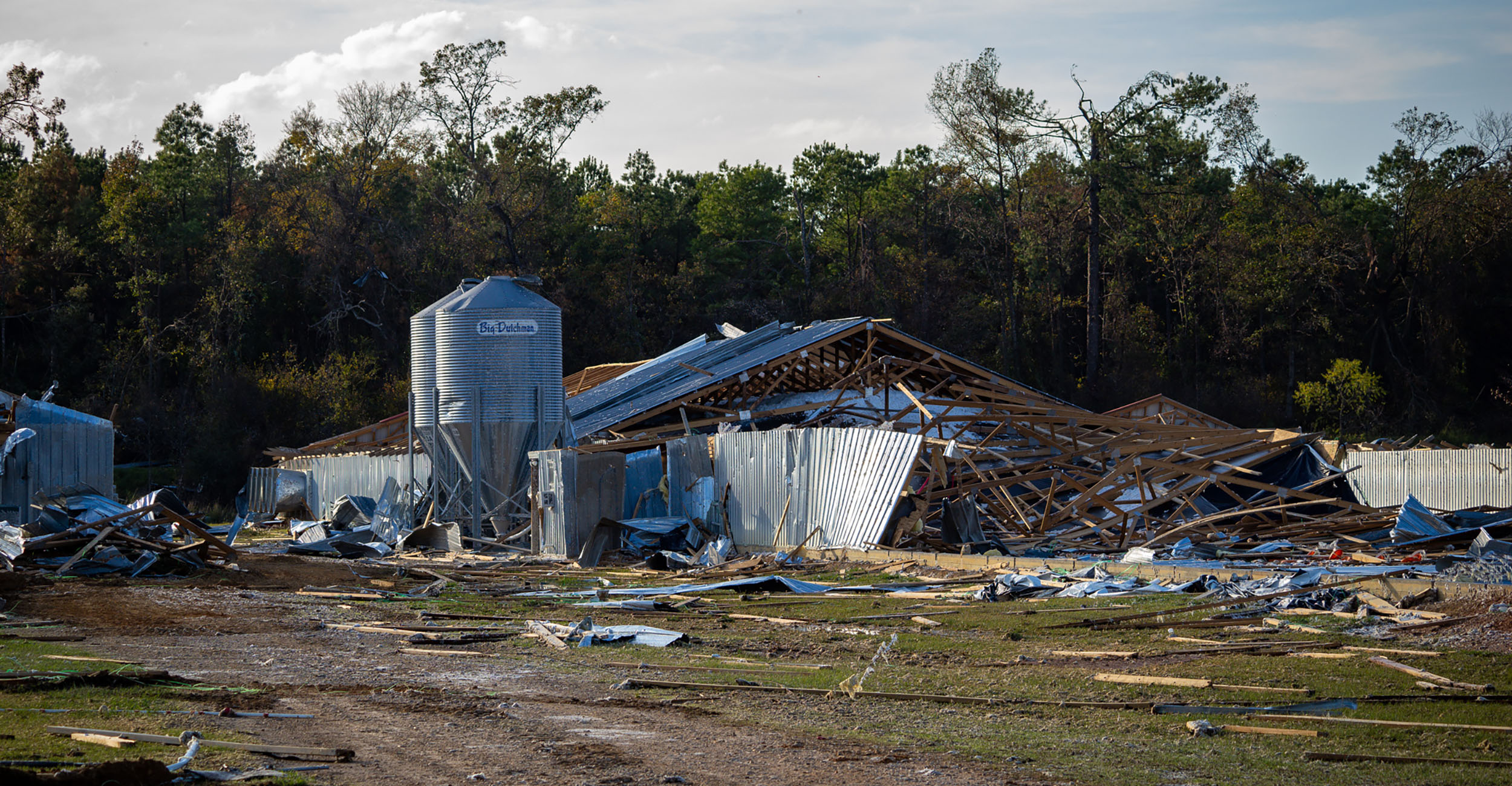
PHOTO: Reviewing insurance policies and fully understanding the coverage can help avoid costly surprises in the event of fires, tornadoes and floods. (Photo by Mitchell Alcala, OSU Agriculture)