
Breaking down the breed: Easter egger
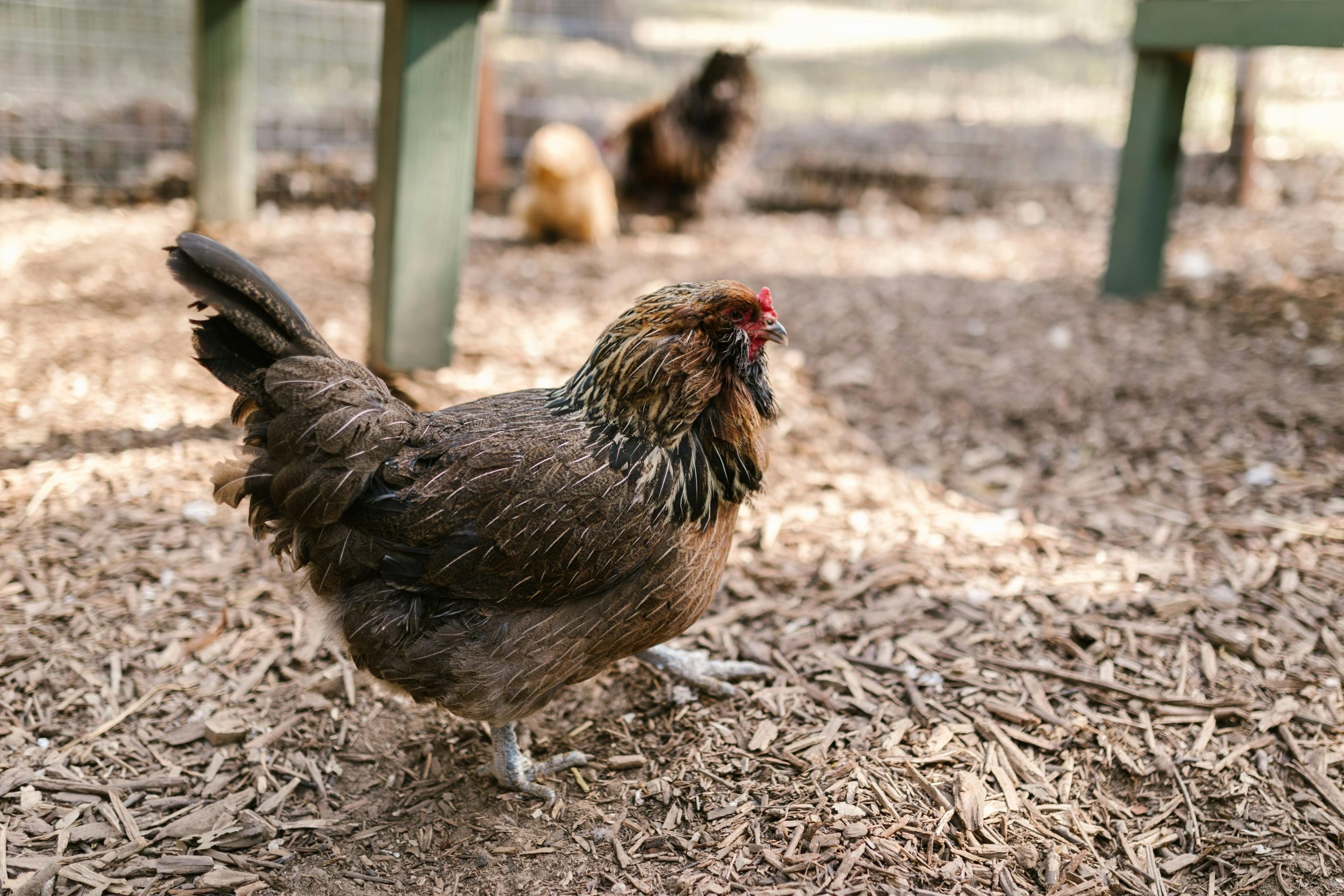
The Easter holiday has come and gone, but with an Easter egger hen, almost every day becomes a coloring egg hunt when checking the laying box.
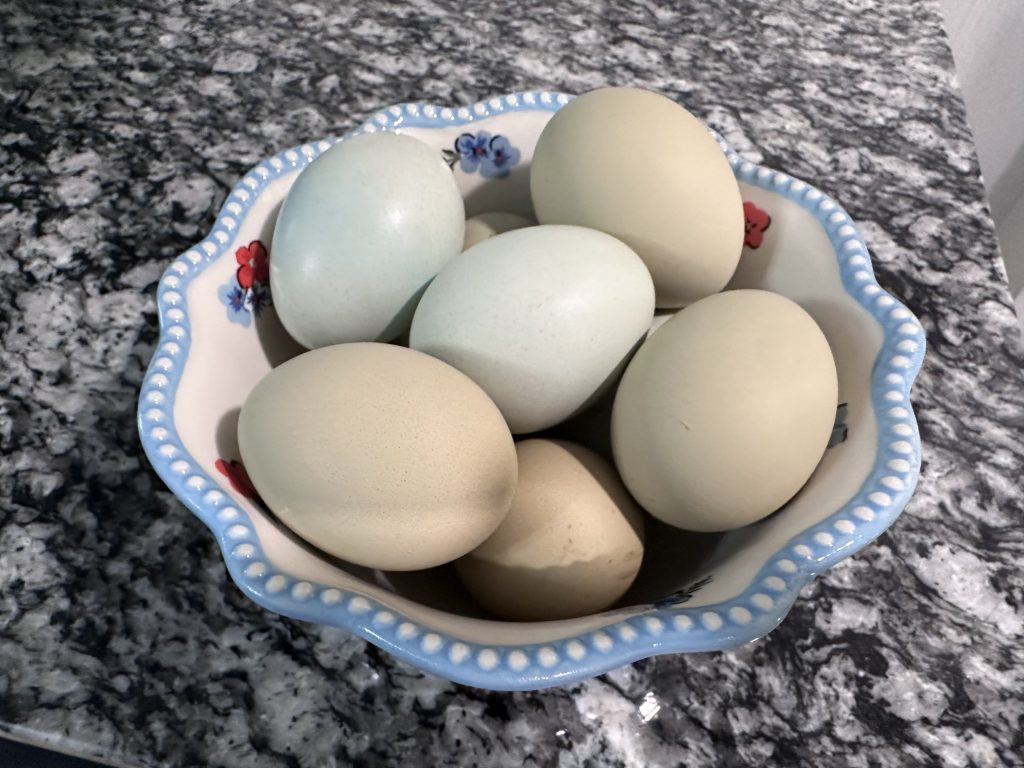
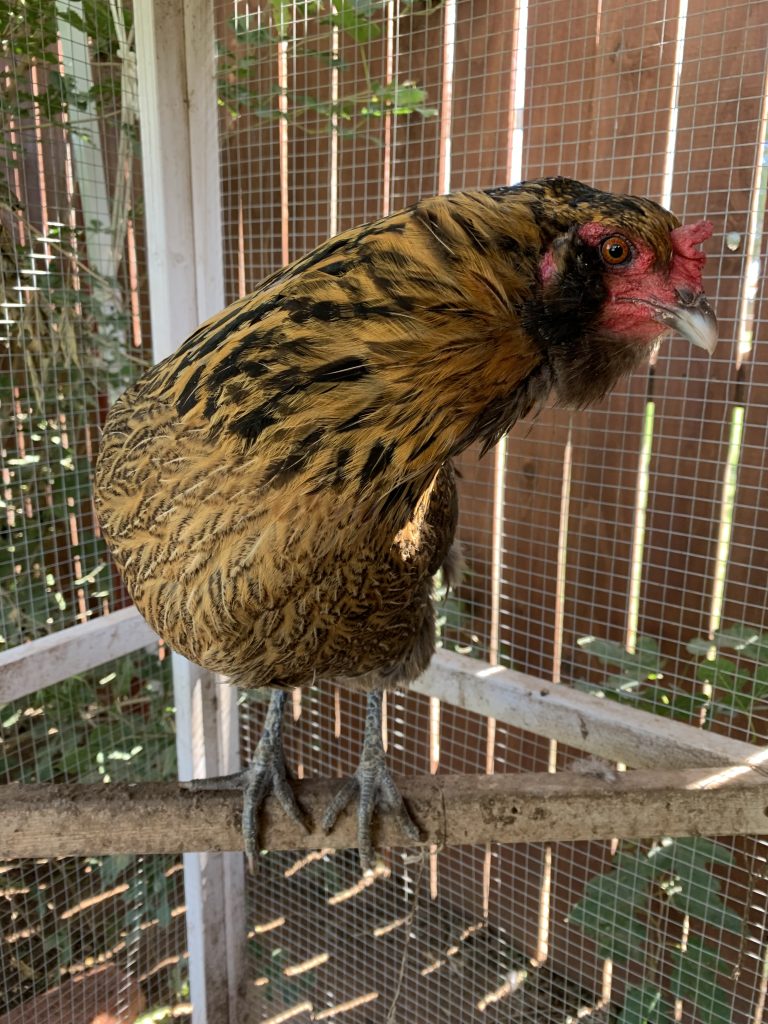
These hens lay beautiful blue, green, pink, or sage-colored eggs, and are known for tufts of feathers around their ears and poufy feather beards beneath the beak. This is caused by a genetic mutation of the HOXB8 gene, which creates this ornamental plumage—making them very unique birds.
Easter eggers are a hybrid chicken breed achieved by crossing Ameraucanas or Araucana—which carry the blue egg or oocyan gene—with other common breeds that lay brown eggs. This crossbreeding began in the 1970s and continues today in both standard and bantam sizes.
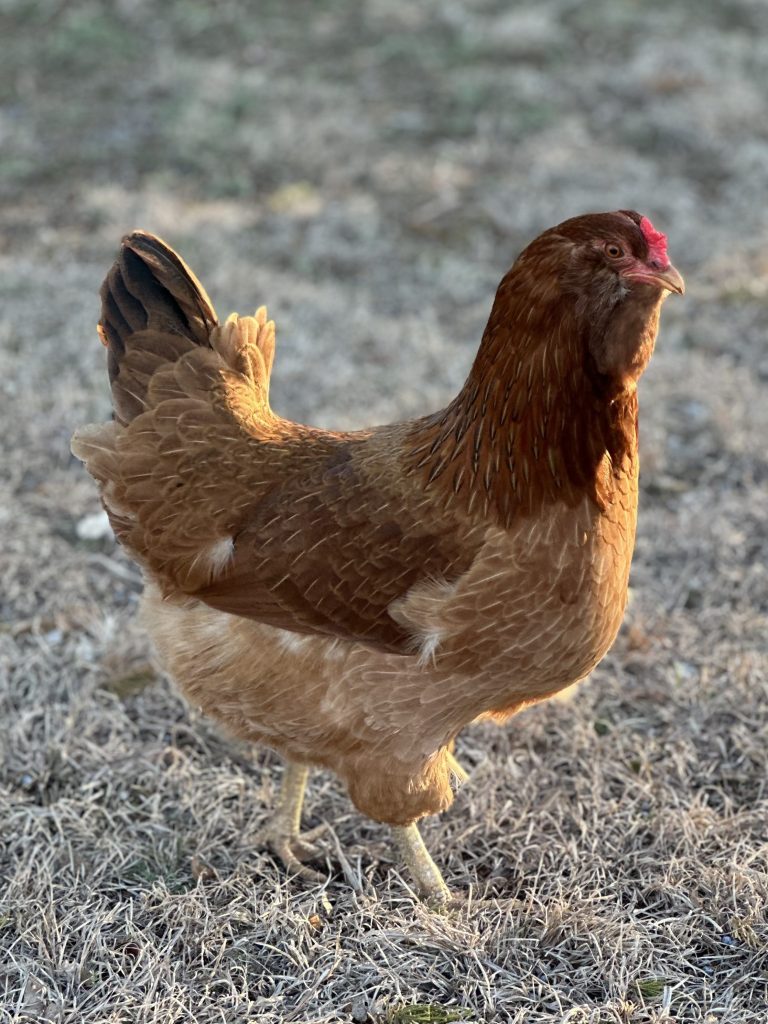
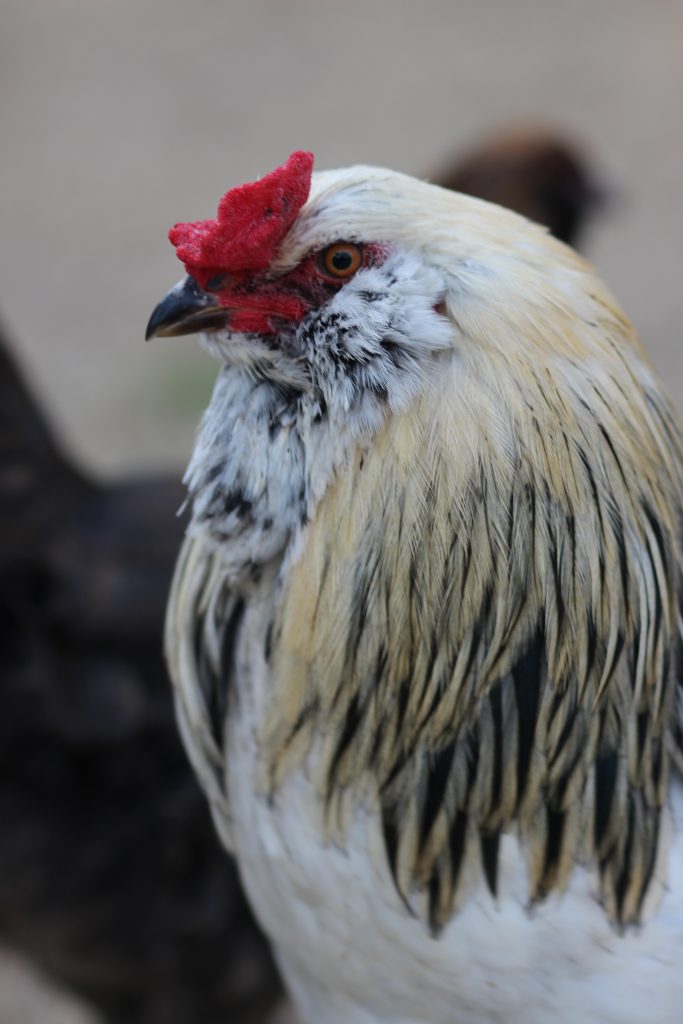
Since they are crossbred, they are not considered a true breed by the American Poultry Association, but they are very popular with backyard chicken owners due to their egg color, hardiness, appearance, and egg laying ability. These chicks are commonly found at farm stories that sell live birds, although they are sometimes marketed as Americanas.
Not only are their eggs unique, so is their plumage coloring. They display a variety of color mixtures, including black, white, brown, grey, buff, blue, and red. Their coloring is often mottled or striped. Due to their hybrid vigor, no two Easter eggers look exactly alike. Easter eggers also have a pea comb, which is a small, low-profile comb, which helps prevent frostbite. Their legs also stand out; common leg colors are green, slate, or blue.
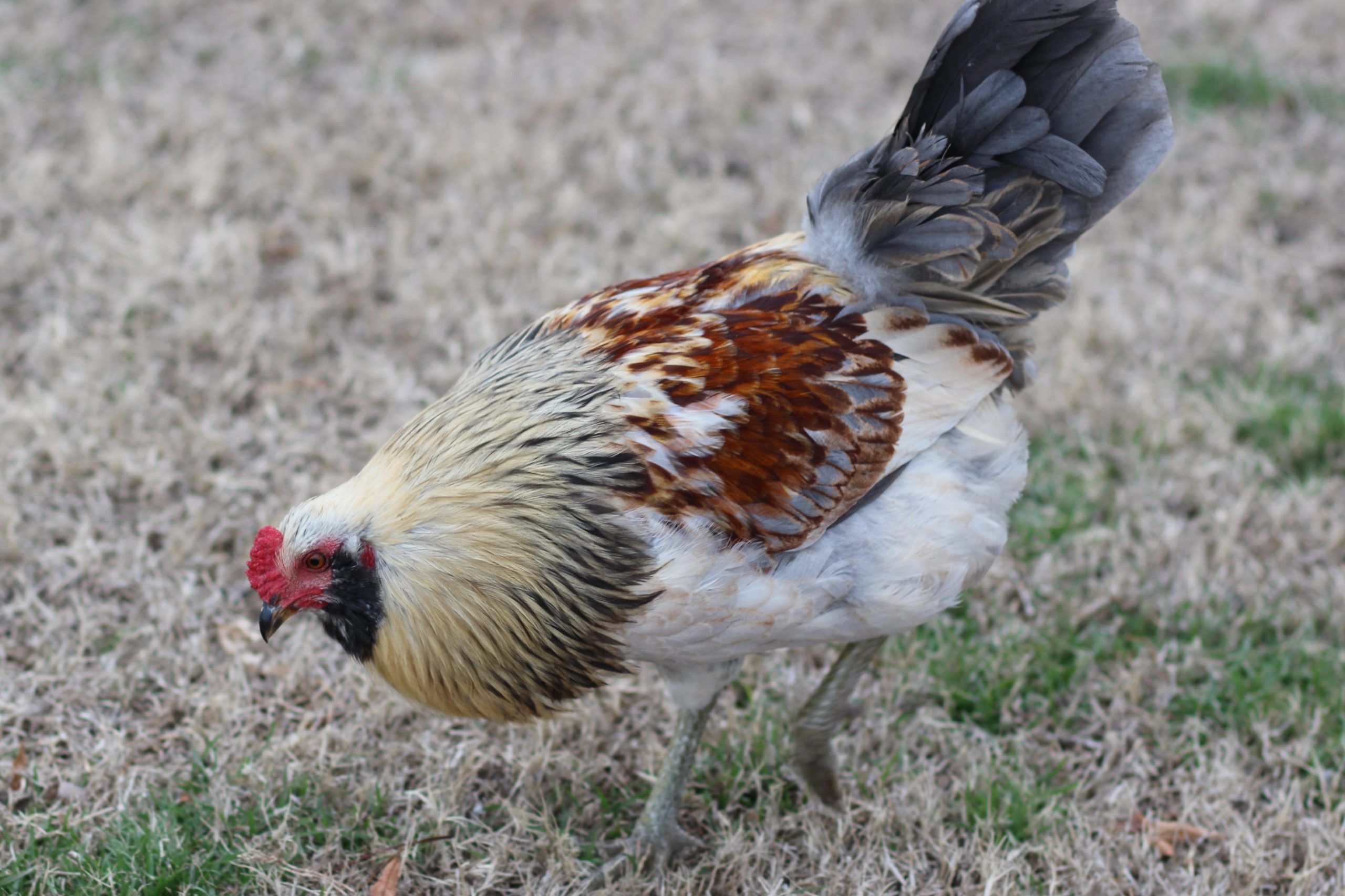
Chicken owners can expect anywhere from 200 to 280 medium to large-sized eggs per year, depending on the bird. They are reliable layers and are not usually associated with broodiness. Easter eggers are highly adaptable to all weather conditions, including the heat and extreme cold. Their average lifespan is between 5 to 8 years.
Easter eggers have a bright temperament, just like the color of their eggs. They are usually friendly, docile, curious, and a great addition to the coop for new backyard bird owners or families. You can’t go wrong with adding an Easter egger to the coop, and once you have one, you’ll want even more.
Lacey Vilhauer can be reached at 620-227-1871 or [email protected].



