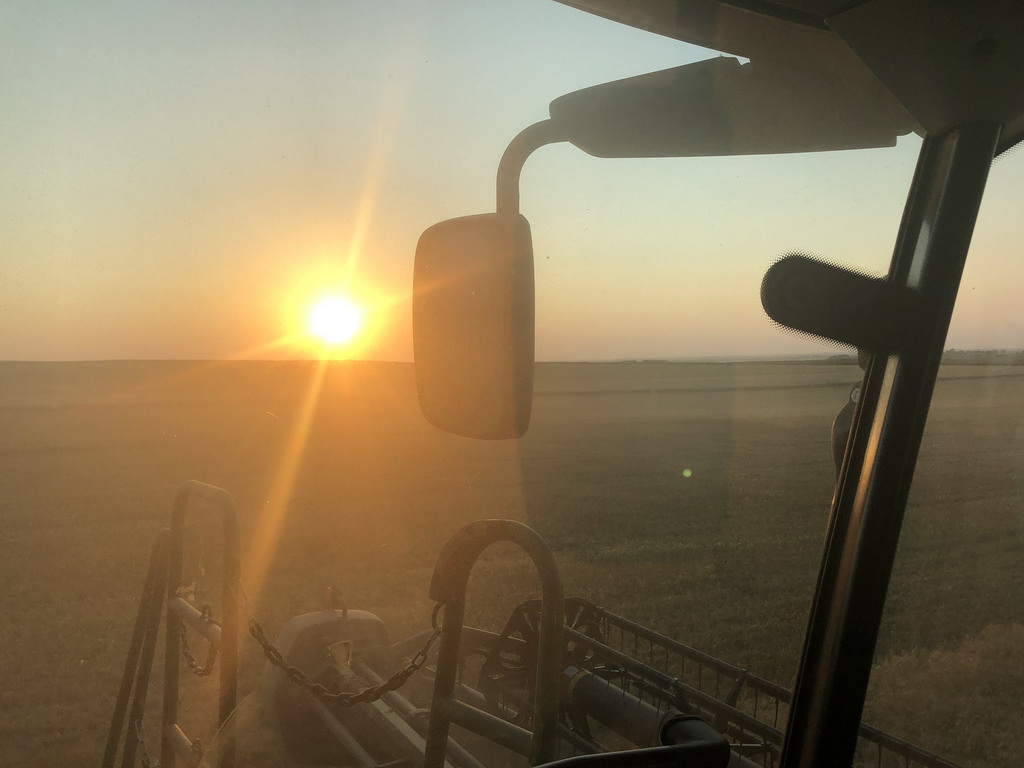
Whether it’s getting a crop in on time, keeping livestock covered, or making it through harvest without burning out a small crew, labor decisions now carry weight across the entire operation.

The question for most producers now isn’t whether labor is a problem—but how they manage it across the entire operation.
At the end of the day, people still drive the business. And in this environment, keeping the right ones matters just as much as finding new ones.
Start with what you have
When labor is tight, it’s natural to focus on hiring. But for many operations, the better place to start is with the people already there.
What’s keeping them? What would make them leave? If you don’t understand why your employees stay, you’re guessing at how to keep them. That starts with asking—and listening.
In one crop and livestock operation, management realized its best employee was close to leaving—not due to pay—but because of scheduling during calving and planting. Instead of losing him, managers adjusted how the work got done. They shifted start times, built in coverage during the busiest weeks, and made sure he could step away when family needs came up.
It wasn’t a formal program. Just a willingness to be flexible when it mattered. And it worked.
Small adjustments, made at the right time, can be the deciding factor in whether someone stays.
Compensation matters—but it’s not everything
Pay must be competitive. If it’s not, hiring is tough—and retention is tougher. But a bigger paycheck alone doesn’t guarantee loyalty.
- Ensure employee compensation also includes benefits. Retirement contributions, health coverage, housing arrangements, or meals provided during long days can all support retention, especially in rural areas where options are limited. The challenge for many operators isn’t offering something—it’s making sure employees recognize what’s being provided and why it matters long term.
- Show employees you value them. Across operations that retain employees, these practices tend to be less about policy and more about consistency.
- Check in regularly—not just about work, but about life outside it
- Be flexible when it counts—school events, family needs and emergencies
- Recognize effort in ways that mean something—work milestones, anniversaries, rewards
- Show value and inclusivity by providing fuel, phones, or uniforms
- Give employees an opportunity to grow—new responsibilities, new skills, training new hires, and managing part of the workflow
Growth doesn’t always require a title change, but without a path forward, even good employees can grow restless—and boredom is often the first step toward turnover.
More often, it’s the small things done consistently that separate a place people stay from a place they leave.
Think like an employer—not just a farmer
Labor isn’t just a line item anymore. It’s a management function. The operations handling it best aren’t just asking, How do we fill this role? They’re asking, Why would someone choose to work here—and stay? In rural communities, that carries even more weight.
That shift in mindset—from filling positions to creating a place people want to work—is often where progress begins.
Some operations are also thinking differently about labor risk by cross-training key tasks. Cross training helps protect the business if someone gets sick, leaves unexpectedly, or needs time
away during peak season. When done transparently, it isn’t about replacing people, it’s about keeping the operation running smoothly.
It’s worth stepping back and looking at your operation from the outside. If you were in the market for a job, what would stand out? What would give you pause? The answers usually point to changes that don’t cost much—but matter more than expected.
The labor you don’t always see
For many operations, labor pressure doesn’t stop at the shop door or the edge of the field. It shows up in the office, too.
Labor challenges often show up when people are doing jobs they were never intended—or equipped—to do. That’s true in the field, and it’s just as true in the office.
Many operations rely on family members to handle bookkeeping, payroll, or reporting—not because it’s the best use of their time—but because it’s how things evolved. As technology and compliance grow more complex, those roles can become misaligned with skills, interest or available time.
When someone retires, burns out, or no longer wants that responsibility, the gap becomes a labor problem that’s hard to ignore. Having the right people in the right seats—or the right support in place—can prevent small administrative issues from becoming operational bottlenecks.
“You don’t solve a labor shortage by piling more work on the people you already have,” said Kent Simpson, accounting services lead at Pinion.
Time spent on books, payroll, or reporting is time not spent on marketing decisions, input strategy, or out in the fields. The work still gets done—but not always in the most efficient or effective way.
“Instead of trying to hire full-time employees, many agribusinesses outsource their accounting needs to save valuable time and money,” Simpson said. “Rethinking how the back-office work is handled can create consistency, control costs and free up time where it matters most.”
If your best decision-maker is buried in paperwork, that’s a labor problem too.
Editor’s note: Keaton Dugan, a certified public accountant, advises farmers and agribusiness owners on strategic tax planning, succession strategies, and long-term financial sustainability. Whether the goal is to expand operations, transition ownership, or optimize tax structures, Dugan draws on his experience as a trusted advisor and his background working on his family’s multi-generational farm to deliver practical, tailored solutions. Contact him at [email protected].