

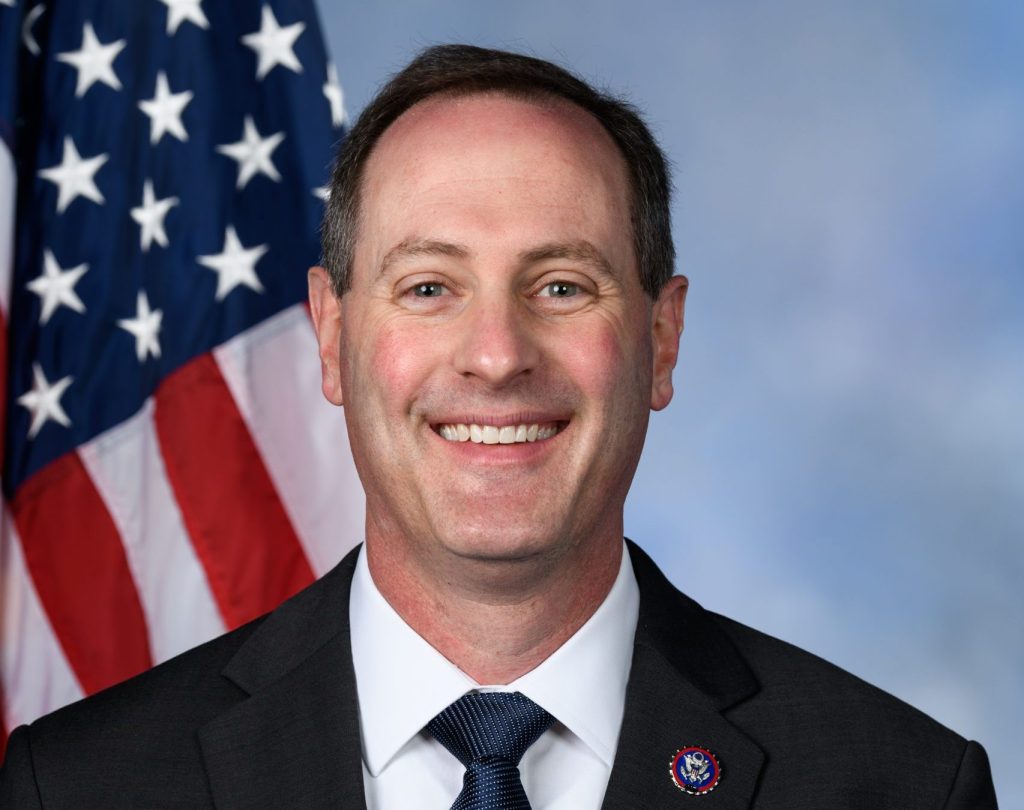
U.S. Rep. Tracey Mann, First District, R-KS, and U.S. Sen. Jerry Moran, R-KS, hosted Luke J. Lindberg, U.S. Department of Agriculture undersecretary for Trade and Foreign Agricultural Affairs.
During his time in Manhattan, on May 27, Lindberg toured the Kansas State University Milling Science facilities and International Grains Program, visited the Kansas Wheat Innovation Center, and participated in a global food security lunch with Kansas agricultural leaders, commodity groups, and industry stakeholders.
In addition to the Manhattan visits, Lindberg toured the Dwight D. Eisenhower Presidential Library and ADM Milling in Abilene.
Lindberg has successfully implemented programs Mann has long-championed in Congress, including continued investment in the Market Access Program, Foreign Market Development cooperator program, and now Food for Peace, America’s flagship international food assistance program. Undersecretary Lindberg recently oversaw the reassignment of Food for Peace back to its rightful home at USDA after Rep. Mann introduced legislation in the House to move the program, which was recently included in the 2026 farm bill. In the Senate, Moran championed the cause.
“The Big First District is home to farmers, ranchers, producers, researchers, and agricultural leaders who help feed, fuel and clothe the world,” Mann said. “I was grateful to host undersecretary Lindberg in the Big First today to show him firsthand how Kansas State University and our hardworking producers are strengthening America’s food supply and expanding our ability to meet the needs of a hungry world. Food security is national security, and Kansas producers are at the center of making sure American-grown commodities remain at the heart of our global food aid programs like Food for Peace.”
Moran also provided a recap in an interview with Suzanne Alexander for RFD-TV.
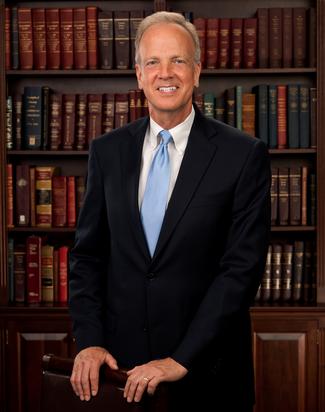
“Kansas has a special place in its heart for food hunger programs, including particularly Food for Peace,” Moran said. “I remember driving through – just like the farmer in St. Francis that helped start this program – a couple years ago, in a small town, Kensington, I drove by the elevator and saw grain sorghum piled higher than the elevator and yet recognized that people around the world go to bed hungry.”
“We take those grains and feed people, and that certainly helps them and creates a relationship that the United States needs with developing countries,” Moran said. “But it also is an economic opportunity to put grain into the market at a time in which fertilizer prices, as you just highlighted, but the cost of production is so high, and the commodity prices are so low.”
“Kansas is at the epicenter of feeding the world,” Lindberg said. “Not only is it an exporting powerhouse for beef, wheat, corn, soybeans, sorghum, and other agricultural products that the world has come to enjoy; it’s also the home to the American generosity of the global food security movement. I am thankful to Rep. Mann and Sen. Moran for showcasing the best of Kansas to me this week.”
“We were excited to have undersecretary Lindberg, Sen. Moran and Congressman Mann visit the Kansas Wheat Innovation Center for an opportunity to talk about the importance of trade with leaders from Kansas commodities,” said Justin Gilpin, Kansas Wheat CEO. “He has a unique understanding of why producers need to be able to sell our products around the world to consistent buyers, especially in these times when there’s so much volatility and geopolitical uncertainty.”
Food for Peace began with an idea from Cheyenne County farmer Peter O’Brien, whose proposal to use surplus American commodities to feed hungry nations was adopted by Kansas Farm Bureau, sponsored in Congress by Kansas Senator Andy Schoeppel, and signed into law by President Dwight D. Eisenhower on July 10, 1954. More than 70 years later, Kansas continues to lead in the work of feeding the world and strengthening American agriculture through global food assistance.
Lindberg was recently nominated by President Trump to serve as the American candidate to be the next executive director of the World Food Programme, the largest humanitarian organization in the world, utilizing American agriculture as a tool with American leadership often at its helm.


