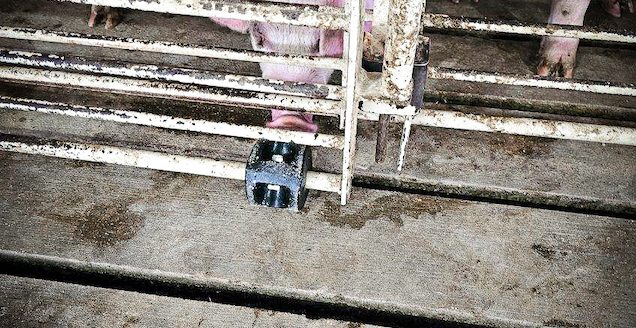
BioCV Inc. introduces intelligent sow monitoring system
BioCV Inc., Ames, Iowa, has announced the North American launch of the BioCV intelligent sow monitoring system. It combines realtime physiological monitoring with smart analytics to deliver insights that can be used to support sowherd management and improve animal health, reproductive efficiency and overall farm productivity.
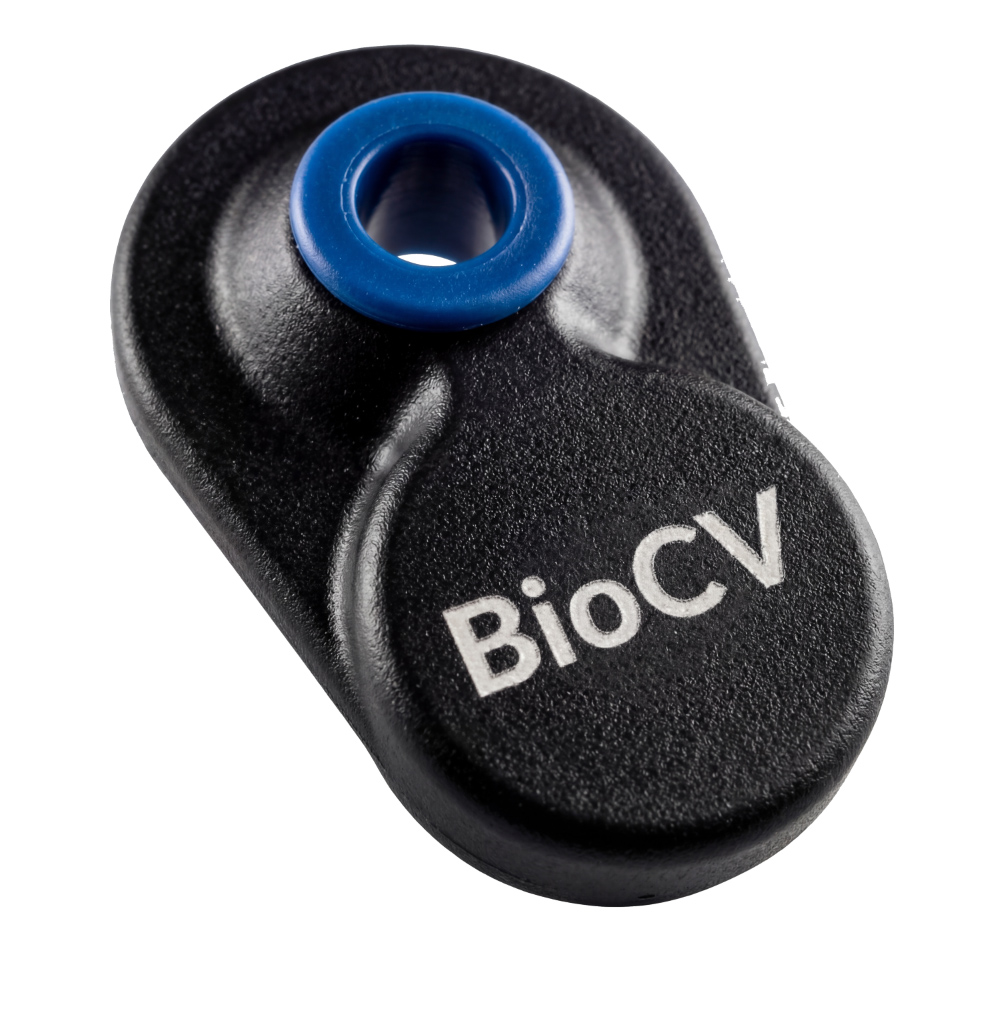
Developed by BioCV GmbH and marketed in North America by BioCV Inc., the system uses a smart ear tag to continuously track individual animal temperature, behavior and movement. By combining the smart ear tag’s nonstop data with proprietary machine-learning analytics, the system picks up the earliest signs of heat, fever, farrowing or lameness — often long before an experienced stockperson could recognize them. BioCV LiSA puts it all at your fingertips.
“The monitoring technology from BioCV is a unique tool that gives the people in your barns real-time information on every sow in the barn—and a head start on aspects of animal care and management that most greatly affect your bottom line,” said Jens Kjaer, CEO at BioCV Inc. “It catches subtle shifts in behavior, like the start of a fever or the first signs of heat, providing insights so that you can make more confident breeding decisions and better calls on sow care before, during and after farrowing, helping keep sows productive and pig flow on schedule.”
Built to help improve the numbers that matter most
For large-scale commercial operations, the system focuses on the three areas that affect the “pigs weaned per sow per year” metric most:
- Catching heat: Missing a heat cycle is expensive. In commercial barn trials, the BioCV system accurately identified estrus shifts 90% of the time, helping staff to time inseminations more accurately, improve first-service conception, use semen doses more efficiently and reduce non-productive days.
- Smarter farrowing management: Research confirms the system recognizes farrowing-related animal activity as much as 48 hours before farrowing onset. Real-time farrowing alerts help teams better support sows through their most vulnerable phase. That care can lead to fewer stillbirths, better piglet survival and more efficient use of labor.
- Getting ahead of farrowing complications: Postpartum dysgalactia syndrome is estimated to cost up to $510 per affected sow in lost piglets and treatment. Studies also show this smart monitoring system flags at-risk sows in loose housing where individual animal monitoring is more difficult 12 to 48 hours before a sow goes off feed or becomes febrile. Alerts then prompt teams so they can act early when appropriate interventions can offset the cascade of inflammation that leads to agalactia, piglet starvation and sow discomfort.
Protects your investment
Locomotion issues account for nearly 18% of sow mortality and euthanasia.2 With replacement gilts valued at up to $500 each, losing a gilt or early-parity sow to lameness is a major blow. The system detects subtle changes in movement and flags potential lameness early, giving you time to evaluate and intervene before culling becomes the only option.
Built for the barns
BioCV GmbH has designed and built the system’s components to withstand real-world swine barn environments. The tags are easy to apply, durable and work 24/7 with a life expectancy of 2 to 3 years.
BioCV LiSA is available on mobile, tablet or desktop to become your central hub for modern swine production—breeding, performance and barn workflows all in one place–in real-time. Every event, from insemination to weaning, lives on the animal record. Your data belongs to you—safely private within your operation.
The future of individual care
As the industry moves toward data-driven management, the individual sow remains the foundation of herd success. The BioCV monitoring system and the information it provides enable better care of the individual sow.
“We know labor is tight and units are getting larger,” Kjaer said. “The BioCV system helps your best people focus their attention exactly where it’s needed, exactly when it’s needed. It’s about being proactive instead of reactive — giving your team the tools to work faster and smarter, not harder.”
For more information, see a representative or visit BioCV.info.