USDA plans phased reopening of southern cattle ports on Aug. 24
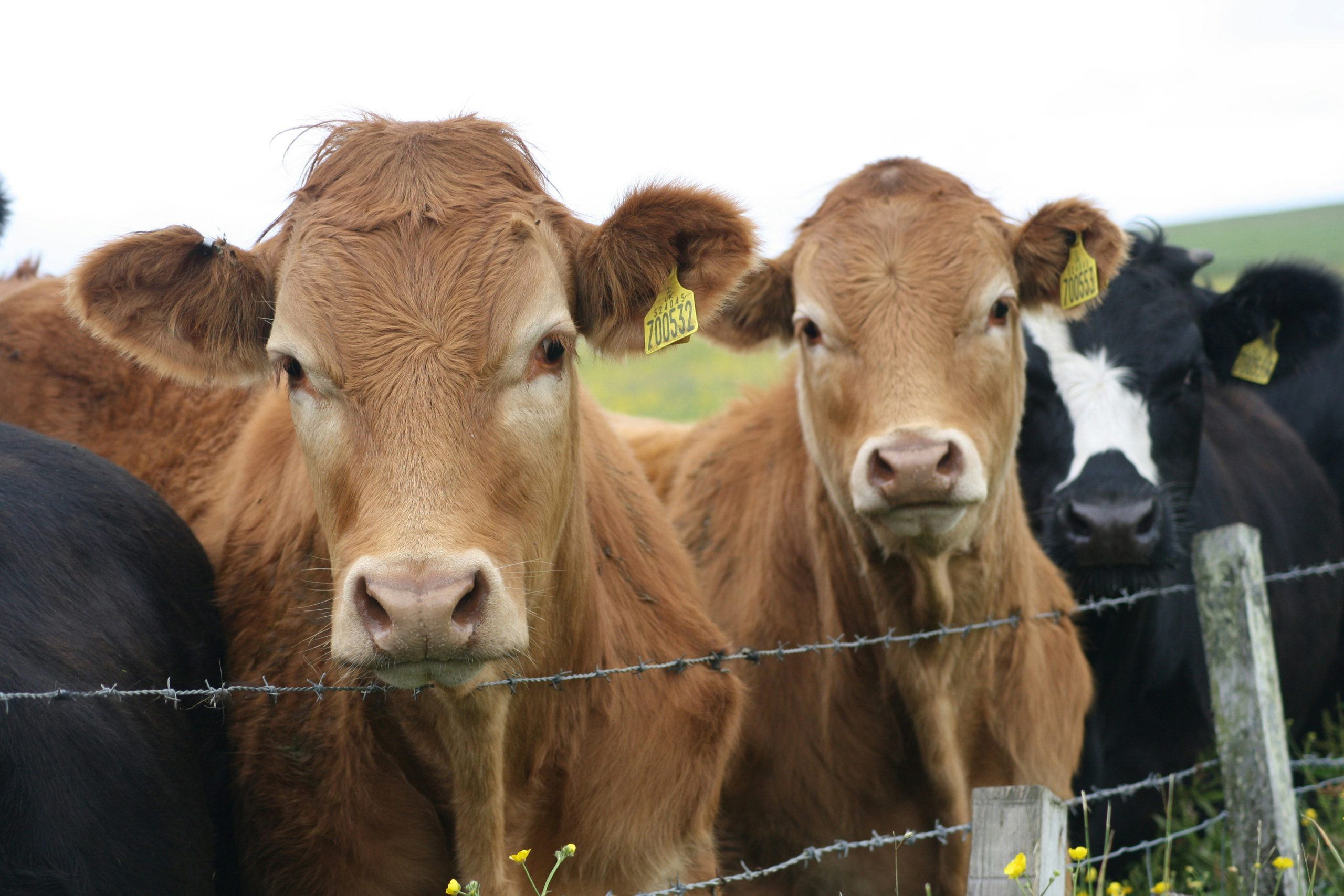
The U.S. Department of Agriculture will begin a phased reopening of southern ports to Mexican cattle imports Aug. 24, contingent on Mexico continuing to meet standards in a joint action plan to control New World screwworm.
The first reopening will occur at the Douglas, Arizona, port of entry, with USDA also beginning operational preparations to reopen the Santa Teresa and Columbus, New Mexico, ports after additional evaluation.
USDA said every animal entering the United States through the reopened ports will undergo a full inspection by the Animal and Plant Health Inspection Service to ensure it shows no signs of NWS.
A measured approach to reopening
Secretary of Agriculture Brooke Rollins said the yearlong closure of southern ports was necessary to help prevent the pest from reaching the U.S.
“Protecting the United States from NWS and pushing this pest out of Mexico and back to the Darien Gap is a top priority at USDA,” Rollins said. “The closure of the southern ports of entry for the last year has been a tough, but necessary action to control the spread of NWS in Mexico and protect the American livestock industry.”
USDA said Sonora and Chihuahua are considered the lowest-risk Mexican states because of their established animal health inspection programs and their distance from the areas in southern Mexico where most NWS cases have been detected.
According to USDA, the closest active case to the Douglas port was about 325 miles away as of July 22.
The department said reopening additional ports will depend on the success of the initial reopening, ongoing risk assessments and Mexico’s progress in meeting action plan milestones. USDA also said it could pause additional reopenings or suspend operations if post-opening audits or other information indicate an increased risk in Sonora or Chihuahua.
Agriculture’s response
Most agriculture groups applaud the decision to slowly report parts of the border and allow access to Mexican cattle markets.
“Secretary Rollins and her team at USDA have been fighting the spread of New World screwworm with an aggressive five-point plan and comprehensive response playbook,” said Colin Woodall, National Cattlemen’s Beef Association CEO. “The whole-of-government response has put us in a strong position to begin safely and gradually reopening our southern border to cattle shipments.”
Woodall said the decision will help normalize business for cattle operations in border states and the Southern Plains.
“This is great news. We know this decision was not made lightly,” said Laphe LaRoe chairman of the Texas Cattle Feeders Association. “It is the result of months of rigorous work and firm diplomacy on the part of USDA to implement effective measures to combat the spread of the New World screwworm in the U.S. and Mexico and establish scientific protocols to ensure the safe resumption of feeder cattle trade with Mexico.”
Texas & Southwestern Cattle Raisers Association President Stephen Diebel said the phased approach balances the need for commerce with protecting the U.S. cattle herd.
Diebel said the border closure gave federal and state agencies time to strengthen surveillance, expand sterile fly production and distribution, and develop response protocols. He added the association will continue monitoring the situation and would support closing the ports again if scientific evidence shows the risk has changed.
The Meat Institute also expressed support for the reopening.
“Importing cattle from Mexico allows beef packers to better meet consumer demand given the tight supply of U.S. cattle,” Meat Institute President and CEO Julie Anna Potts said. “We will continue to support efforts to retain heifers and expand the herd as the best way to address the high price of beef for consumers.”
Lacey Vilhauer can be reached at 620-227-1871 or [email protected].
To read more about imports being allowed, read here: https://hpj.com/2025/02/04/usda-aphis-to-allow-cattle-bison-imports-from-mexico/