Texas, USDA launch response after screwworm detection in U.S.
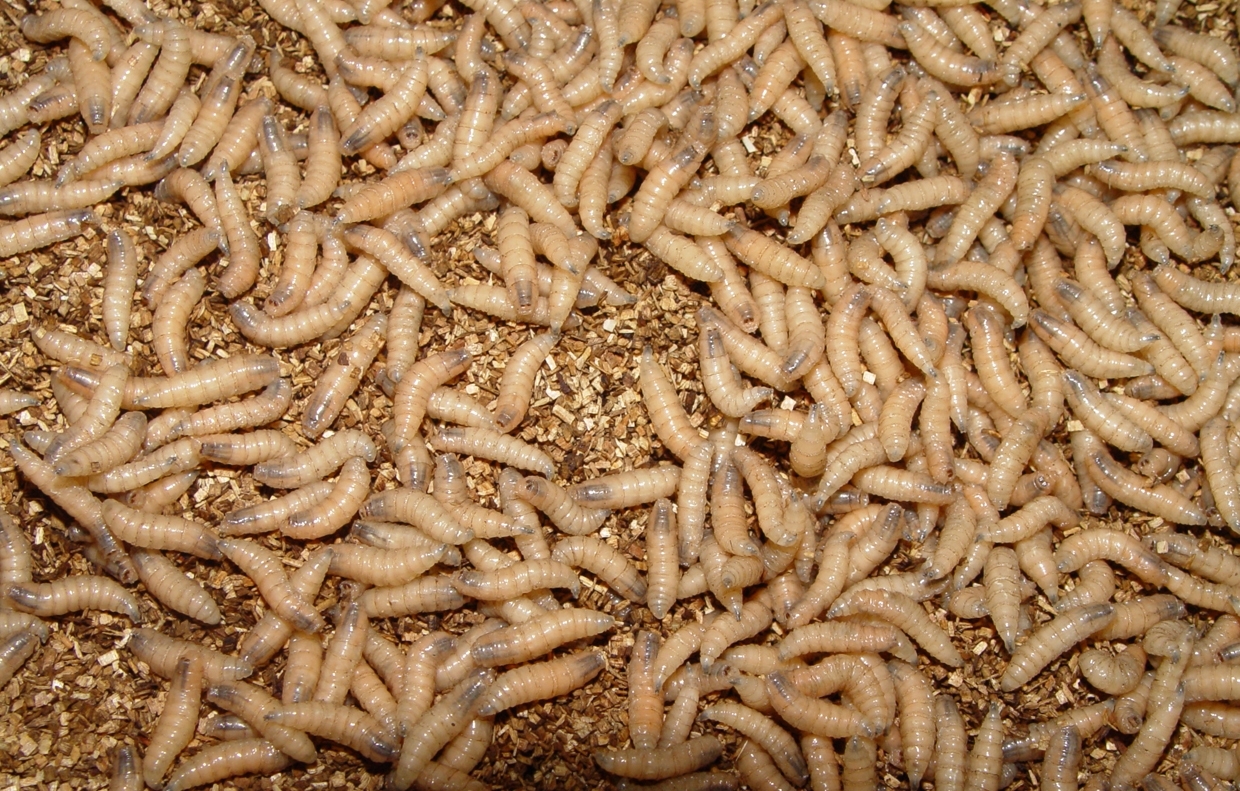
Federal and Texas animal health officials have confirmed the first case of New World screwworm in the United States, prompting an aggressive response effort aimed at containing and eradicating the pest in south Texas.
U.S. Secretary of Agriculture Brooke Rollins discussed the detection during a media briefing, describing the case as a confirmed positive finding in a 3-week-old beef calf in La Pryor, Texas. Officials said immediate actions were taken to prevent the pest from becoming established in the U.S.
The U.S. Department of Agriculture and the Texas Animal Health Commission established a unified incident command team and deployed personnel to the affected area. Officials also created a 20-kilometer control zone around the detection site and implemented quarantines, animal movement controls and expanded surveillance efforts.
“We have taken immediate action,” Rollins said.
NWS is a parasitic fly whose larvae infest wounds on warm-blooded animals, feeding on living tissue. The pest can affect cattle, sheep, goats, horses, wildlife, pets, and, in some cases, humans. Officials repeatedly emphasized that the detection does not pose a food safety risk.
“This is not a disease; it is not a virus. It is simply an insect that lands in a wound, lays eggs and eats the flesh around the wound.” Rollins said.
Sterile fly deployment
The primary tool used to combat NWS is the release of sterile male flies. When sterile males mate with wild females, no offspring are produced, reducing the pest population over time.
USDA officials said they immediately deployed 4 million sterile flies through ground-release operations in the area surrounding the detection. Another 4 million sterile flies per week are being released through aerial dispersal efforts.
According to Rollins, the federal government has spent more than a year preparing for the possibility that NWS would reach the U.S. after the pest advanced northward through Central America and Mexico.
She said USDA expanded sterile fly production, opened the Moore Air Base sterile fly dispersal facility in Edinburg, Texas, in February 2026, and broke ground earlier this year on a new production facility expected to generate up to 300 million sterile flies per week beginning in fall 2027.
USDA also funded improvements at a sterile fly production facility in Metapa, Mexico. Officials expect that facility to increase production by an additional 30 million flies per week by the end of June and by another 100 million flies per week later this year.
A coordinated response
Rollins said USDA has also invested in surveillance and preparedness activities along the Southern Border. More than 8,000 surveillance traps have been deployed along the U.S.-Mexico border, while agency personnel have examined more than 58,000 fly samples and more than 19,000 wildlife specimens since January 2025.
All surveillance samples tested negative until the detection in Texas on June 3, she said.
Texas State Veterinarian Bud Dinges, DVM, said inspectors visited the affected premises after the detection and found no additional infested animals. Epidemiological investigations also found no evidence of recent animal movements onto or off the property.
“The infested calf is doing much better,” Dinges said.
Dinges issued an executive order placing a quarantine on warm-blooded animals within the designated control area. Animals may not leave the zone without inspection and approval from animal health officials.
He urged producers and animal owners to report suspicious cases immediately and monitor livestock closely for wounds that could attract the pest.
“Quick notification leads to quick detection and quick response to stop this pest from spreading,” Dinges said.
USDA Undersecretary Dudley Hoskins said the department has organized a broad response involving multiple federal agencies. The Animal and Plant Health Inspection Service is leading USDA’s efforts through a NWS directorate established to coordinate response activities.
Hoskins said USDA works closely with the Department of Homeland Security, Environmental Protection Agency, Department of the Interior and state animal health officials.
Plan of action
Admiral Scott Schmoyer, who leads USDA’s NWS directorate, said federal personnel arrived in Texas within hours of learning about the suspected case. As of the briefing, 26 USDA personnel had been deployed to assist state officials, with additional resources available if needed.
Schmoyer said response teams are conducting surveillance, trapping, ground releases, and aerial dispersal operations while maintaining flexibility to adjust efforts based on scientific findings.
The Food and Drug Administration said it has authorized or conditionally approved 12 products that can be used to treat NWS infestations in multiple animal species. Officials encouraged producers to work with veterinarians and use only FDA-authorized products.
The Centers for Disease Control and Prevention said the risk of human infestation in the U.S. remains low, but noted the agency has been coordinating with USDA and other partners on preparedness efforts. According to CDC officials, more than 2,000 human cases have been reported in outbreak areas of Central America and Mexico.
Despite the confirmed detection, officials expressed confidence that existing response plans and available tools can prevent the pest from becoming established in the U.S.
Rollins urged producers, veterinarians and animal owners to comply with movement restrictions and treatment recommendations as response efforts continue.
“If we all work together and follow these treatment and movement restriction guidelines, there is no reason to believe that this incursion will result in any sort of establishment of the pest,” she said.
Lacey Vilhauer can be reached at 620-227-1871 or [email protected].