Wet weather and bad prices have made it difficult for Texas watermelon producers this growing season, according to Texas A&M AgriLife experts.
Kevin Crosby, Ph.D., Texas A&M AgriLife Research vegetable breeder, professor and associate head of graduate programs in the Texas A&M Department of Horticultural Sciences, said persistent rains across watermelon producing areas in South Texas have created a suite of challenges for growers.
Meanwhile, prices have made profitability difficult amid the rising cost of production and added costs associated with poor weather conditions.
“Watermelons need water, but too much can be worse than not enough,” he said. “The timing and persistence of wet conditions has created a lot of hurdles this season, and prices added insult to injury. It’s been a challenging season.”
Texas producers typically plant their watermelon fields with expectations to harvest and market their crops when prices peak during the build-up to Fourth of July holiday festivities.
Persistent rains fuel challenges for watermelon growers
Watermelon growers in the Rio Grande Valley reported more than 20 inches of rain over recent weeks in some areas. There were widespread reports that rain affected pollination, which resulted in low fruit sets and/or malformed fruit from the Valley to the Winter Garden region.
“The biggest issue that I’ve seen has been poor pollination,” said Larry Stein, Ph.D., Texas A&M AgriLife Extension Service horticulture specialist and professor in the Department of Horticultural Sciences, Uvalde. “Rain impacts bee activity, but it also creates a wealth of plants where bees can get pollen, and that can mean the watermelon vines don’t get the attention they need.”
Rains also increased weed, insect and disease pressure, and wet field conditions have delayed or prevented control treatments.
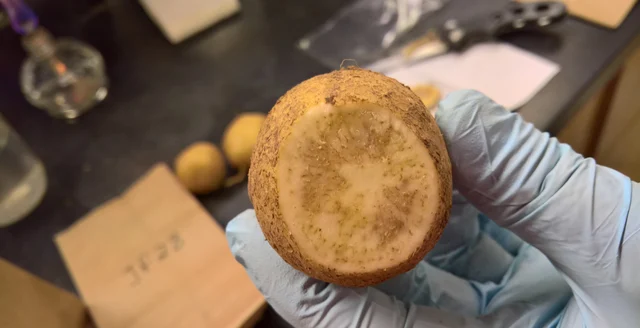
Crosby said diseases like stem blight continue to present problems for growers due to the persistent rains and high humidity. Stein said weeds like purslane have become a prevalent problem in fields as they compete with watermelon vines for nutrients.
Cooler temperatures also contributed to poor plant development and fruit production, and wet conditions complicated harvest activities by delaying or limiting access to fields.
Crosby said his own watermelon research plots in Weslaco, Uvalde and Bryan-College Station were experiencing similar challenges and losses.
He expects Panhandle and West Texas melons, which typically harvest in late July, to fare better thanks to drier conditions, but said saturated post-holiday markets can often drive prices even lower.
Lower prices compound grower challenges
Juan Anciso, Ph.D., AgriLife Extension vegetable specialist, professor and associate head of the Department of Horticultural Sciences, Weslaco, said prices were hovering in the 15-17 cents-per-pound range going into the Fourth of July seasonal demand peak compared to 18-22 cents per pound last year. Growers were realizing 28-32 cents per pound in 2023.
The bulk of Texas watermelon acreage is grown commercially for grocery stores across the state and surrounding region, while smaller-scale producers often supply roadside stands, farmers markets and direct-to-consumer sales.
For consumers, Stein said finding Texas watermelons at roadside stands around the holiday weekend and throughout the summer should not be an issue. Brix counts – the sugar content measurement in fruit – may be a bit low on the early season melons, but to date, melon quality has been good and will get better as sunny days return.
Ideally, watermelons gain brix during sunny, hot, dry days while growers provide specific water rations via drip irrigation as the fruit develops and ripens.
“Growers prefer hot, dry weather because it reduces the potential for problems and intensity of management,” Crosby said. “Rain is a good thing, and a lot of the state still needs it, but in excess and at the wrong time for a grower, it can complicate things.”
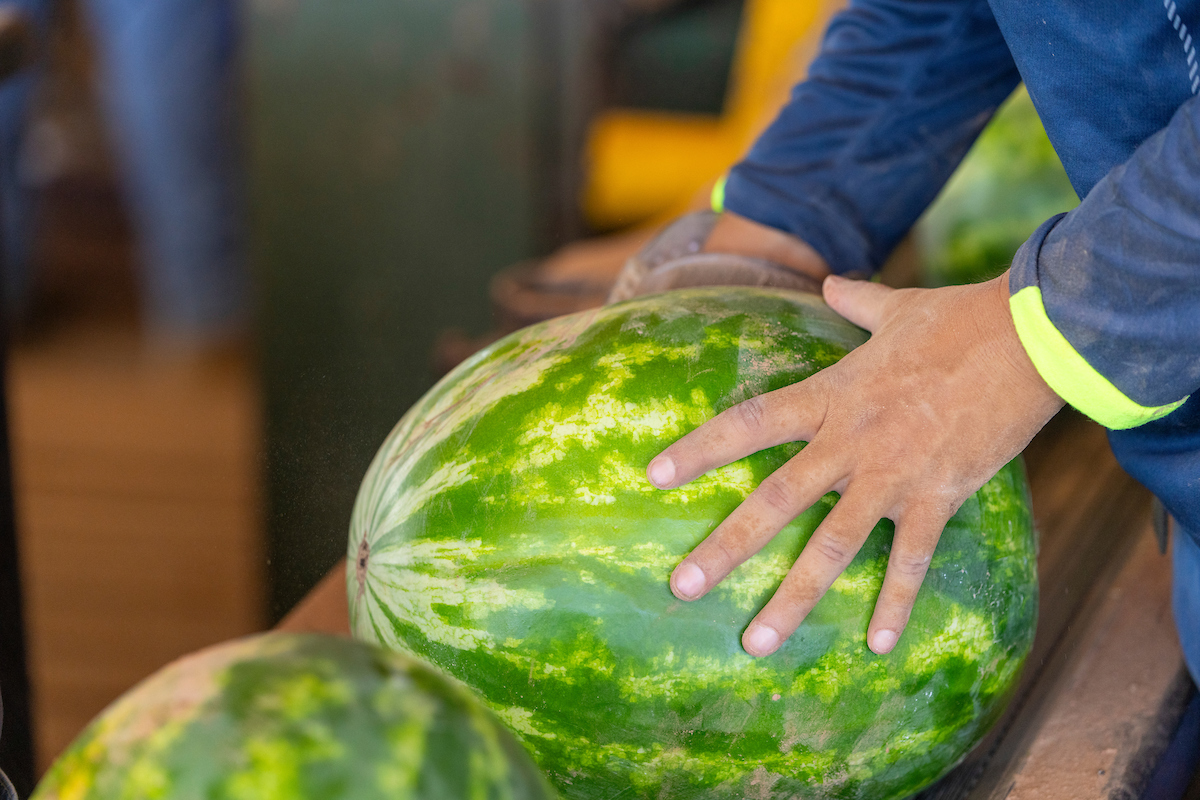
PHOTO: The 2026 watermelon season has been a difficult one for Texas growers. Wet conditions created a number of issues and poor prices exacerbated those issues. (Michael Miller/Texas A&M AgriLife)