Improving soybean yields with more pods and larger beans
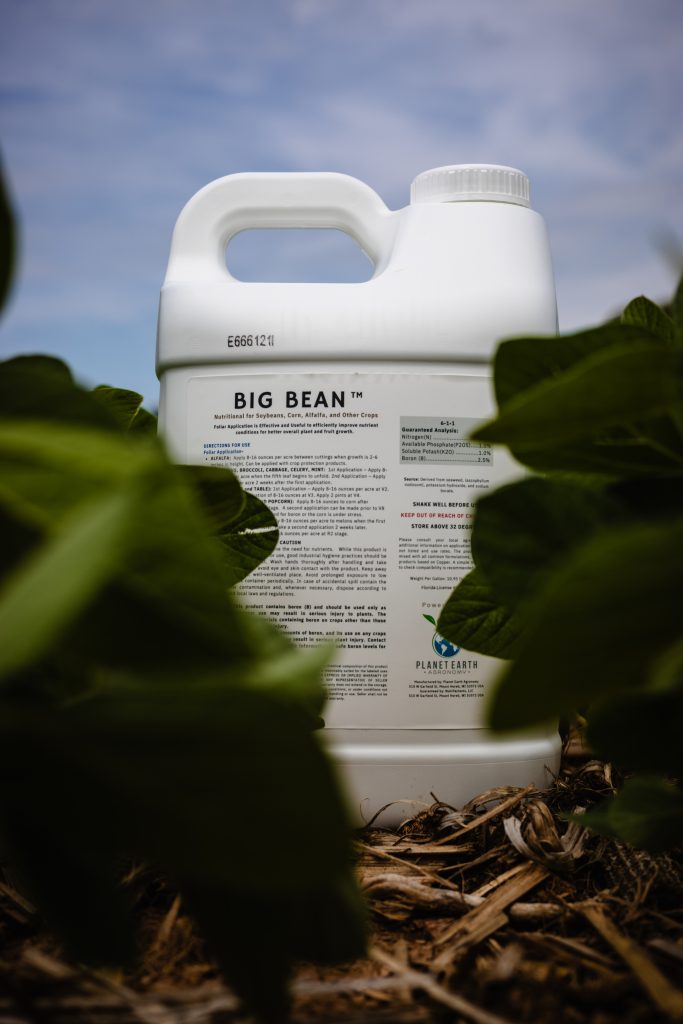
On-farm trials and ongoing field observations by Seneca-based Ag Partners Coop and soybean growers in northeast Kansas are showing how a specialized soybean nutrition and stress-mitigation product called Big Bean can reduce stress-related yield losses.
Preston Thomas, field agronomist at Ag Partners, evaluated the product through local field trials and grower programs. He saw increased leaf area, more branching, larger branches, more pods and a bigger root mass.
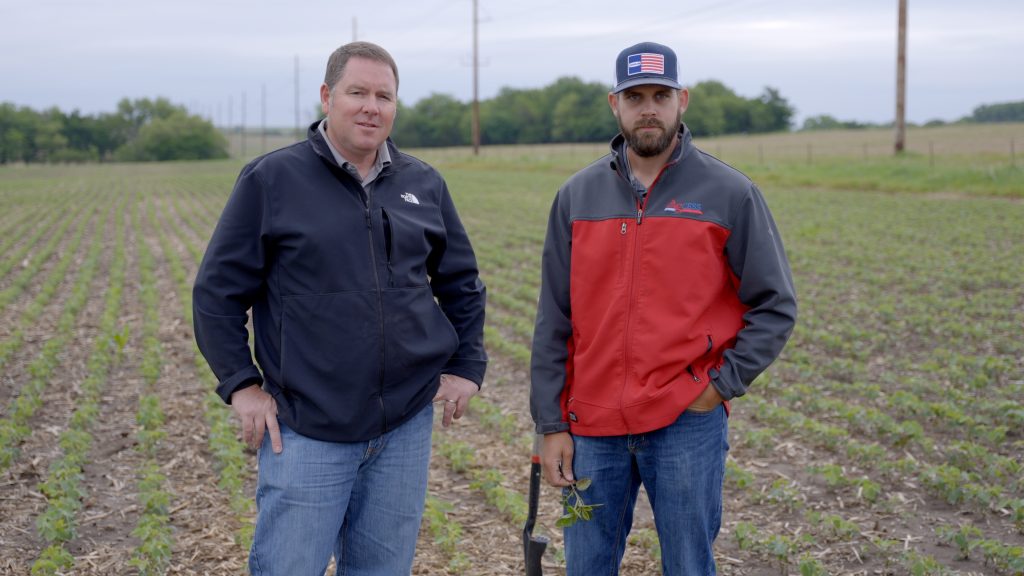
“Those are all things that help establish a stronger plant capable of carrying more yield.”
Thomas noted soybeans have drawn more management attention from leading-edge growers in recent years. With corn production systems already more highly refined, producers are now looking to unlock yield potential in their soybeans.
“I’m just seeing more growers invest time and management into soybeans,” he said. “They’re looking for products and practices that can help them improve returns on every acre they farm.”
Big Bean was formulated for U.S. soybean growers by Planet Earth Agronomy and combines key micronutrients, amino acids and biostimulants to maintain growth momentum throughout the season.
“Big Bean was specifically built to mitigate stress and provide the biological support soybeans need to achieve their full production potential,” said Ben Sauder, western region agronomist with Planet Earth Agronomy. “We never know what Mother Nature is going to throw at us during the growing season. We can’t eliminate every stress, but we can help the plant meet those challenges and maintain yield potential.”
One of the key components of Big Bean, Sauder said, is its boron content, which helps offset a boron deficit associated with post-emergence weed control. (Editorial query: Please confirm this accurately reflects the intended agronomic claim.)
“Whenever we spray a post-emergence herbicide, we often see a reduction in boron availability,” Sauder said. “Big Bean helps address that challenge while also supplying molybdenum, which supports nitrogen utilization. Combined with the biostimulants and amino acids, the product helps the crop stay productive through stressful times.”
The result, he said, is a healthier soybean plant with improved branching, more node development and greater capacity to support pods.
“What we often see is a change in the architecture of the plant,” Sauder said. “You end up with a larger, more robust soybean plant with additional places to set pods and carry yield.”
Thomas said growers he works with who used Big Bean saw this result in last year’s crop, and it had a positive impact on yield.
“I noticed the treated plants stayed more upright and showed significantly more branching. Even the branches had additional branching,” he said. “When plants stay standing better through harvest, you reduce losses and capture more of the yield that was produced.”
Yield results from Ag Partners trials last year reinforced those observations.
“I was seeing five- to eight-bushel-per-acre increases in many cases, and the highest was 12 bushels per acre,” Thomas said.
“Those are the kind of gains that really get a grower’s attention.”
Sauder said that’s why Planet Earth Agronomy works to prove new product performance in field trials across the Corn Belt.
“At Planet Earth Agronomy, we focus heavily on return on investment,” Sauder said. “Our goal is a minimum 3-to-1 return and, ideally, 5-to-1. With Big Bean, we often target at least a 5-bushel increase, although we’ve seen larger responses in situations involving greater stress.”
Thomas said he works to help growers understand the trade-offs.
“There’s always a cost to doing something, but there’s also a cost to doing nothing,” Thomas said. “Growers today are focused on maximizing the return from every acre. Products that help preserve yield and improve crop performance deserve consideration because standing still doesn’t move profitability forward.” For more information, visit planetearthagronomy.com.