Soybean yield predictions drop with prolonged heat wave
Northern Missouri soybean crop is most affected
Predicted soybean yields across Missouri have taken a downward turn in recent weeks, according to the latest University of Missouri Extension Soybean Growth and Yield Report.
Until the last report, 2026 predictions were uneventful, but the recent heat wave changed that. With prolonged heat expected to persist for a few more weeks, projected yields could decline even further, says MU Extension soybean farming systems specialist Andres Reis, who compiles the report.
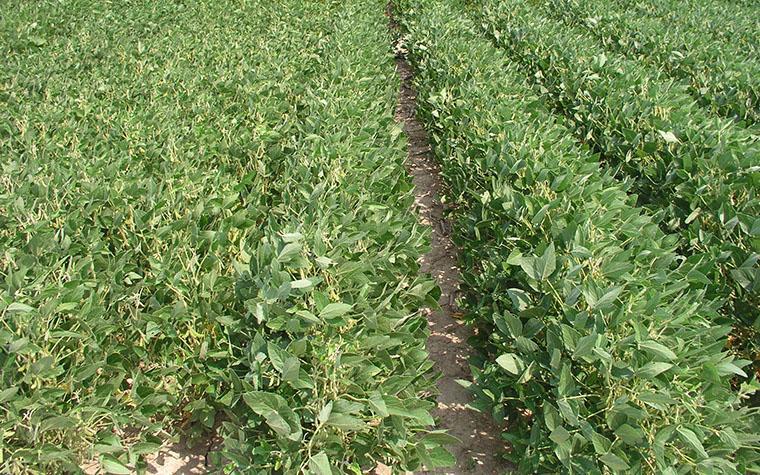
Declining soil moisture reserves and drought concerns have created a challenging environment across large parts of Missouri’s soybean-growing regions. The hardest-hit area the northern Missouri, where Reis sees the biggest predicted yield decreases across all planting dates and maturity groups.
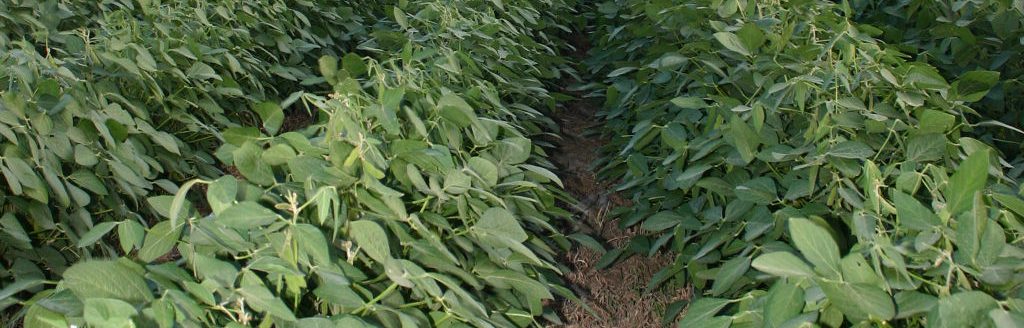
With high temperatures, there is increased crop water demand and accelerated soil moisture depletion at a time when soybeans are entering critical reproductive stages.
“Drought stress is now a concern across much of the state as later April- and May-planted soybeans move through key yield-defining stages,” says Reis.
The impact of hot, dry weather depends largely on soybean growth stage. MG 4 soybeans planted in April in central and southwestern Missouri are still maintaining above-average yield potential.
As late-planted soybeans move through reproductive growth, the declining availability of water in the soil may have a greater impact on pod retention and seed fill. Extended drought during seed fill can lead to smaller seeds, lower test weights and reduced yield potential.
About the report
The report gives information on the progress of the Missouri soybean crop every two weeks.
This tool uses crop growth models to simulate soybean development and yield across different regions of Missouri, using both historical and current weather data, and validates its results with the Soybean Farming System field experiments network.
Its main goal is to help farmers understand how weather conditions throughout the season are influencing crop development and attainable yield. For example, the reports indicate whether the season is trending above or below average, allowing farmers to anticipate yield outcomes well before harvest. These forecasts support in-season decision-making by providing timely insights into crop performance.
Reis’ biweekly report is available for free download.
For more information, contact Reis at 573-882-4771 or [email protected].