Warm nights can take a big bite out of corn yield
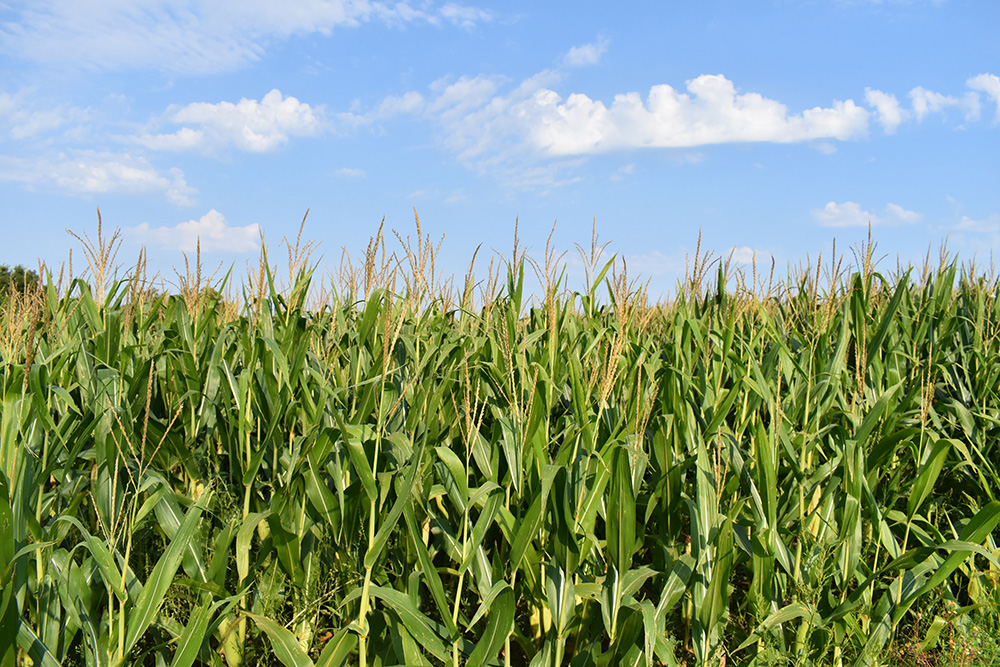
July was the warmest month on record across the lower 48 states since 1895, according to the National Oceanic and Atmospheric Administration, raising concerns about potential effects on corn yield.
Research shows overnight low temperatures above 70 degrees Fahrenheit can have a negative effect on corn yield. The level of the effect depends on the corn’s growth stage at the time of stress.
The most critical period is the four- to five-week window around silking when kernel number is set. Stress during this period that reduces the crop growth rate can reduce kernel set. Heat stress can continue to affect yield through grain fill by reducing kernel weight and stalk quality.
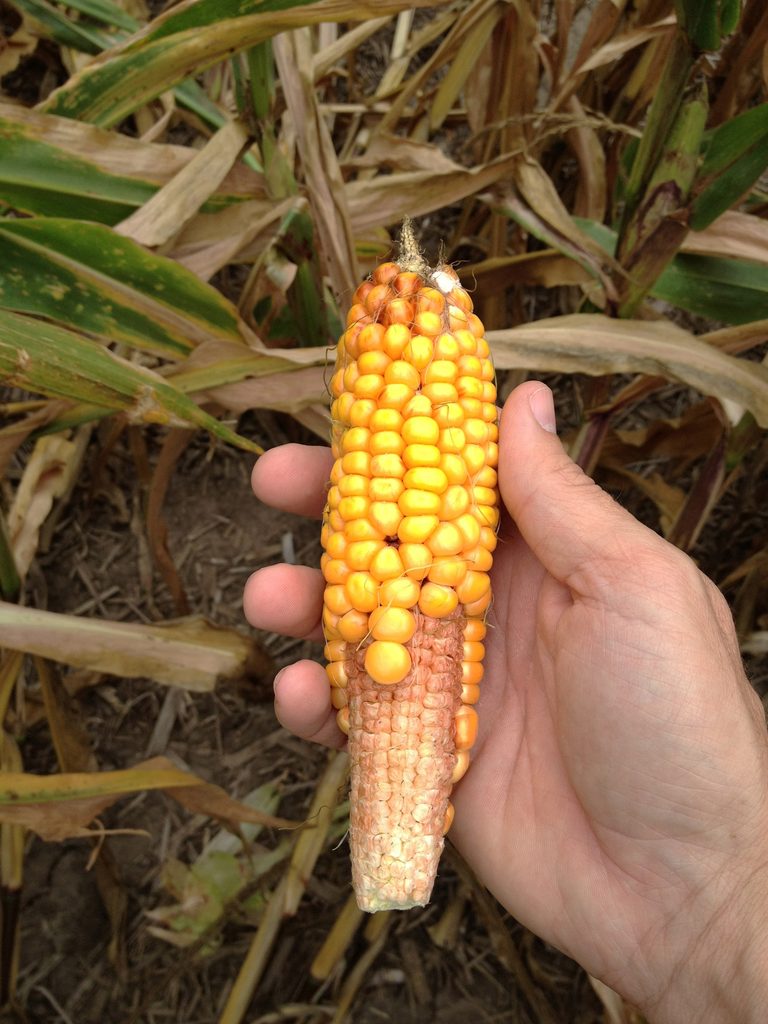
The main physiological reason for the negative effect of high night temperatures is an increased rate of cellular respiration overnight, which increases the plant’s energy expenditure on processes other than building yield.
“Unlike photosynthesis—which only happens during the day—respiration keeps running all the time,” said Mark Jeschke, Pioneer agronomy manager. “It’s a temperature-dependent reaction, so the warmer it is, the faster it goes. When the nighttime temperature increases, the total expenditure of energy through respiration also increases, leaving less energy to contribute to grain fill.”
High night temperatures can also accelerate corn development. GDUs continue to accumulate at temperatures between 50 to 86 degrees, causing the plant to reach maturity faster and shortening the grain fill period. A few days of above-average night temperatures may have little or no effect on yield, but high night temperatures over a longer period can reduce yield by 15% or more.
High temperatures can also contribute to accelerated leaf senescence, increased water stress, reduced pollen shed and pollen viability and reduced photosynthetic rates.
Concerns about the direct effects of extreme heat have often focused on reproductive success, specifically the potential for high heat to desiccate silk and reduce pollen viability. However, research suggests that yield loss due to heat stress effects on pollination is relatively rare in North America.
Research has found that corn hybrids can differ in their responses to high night temperatures. A recent field study at Kansas State University found that yield response among 12 hybrids exposed to an extended period of elevated night temperatures ranged from a 28% decrease to a 4% increase. This suggests the potential for selecting hybrids with greater tolerance to high night temperatures, which could prove important as summertime nighttime temperatures continue to rise in the United States.
To contact us: hpj.com/contact/