
Start calves off right with Turboboost program

Riomax has introduced the Turboboost program, a 60-day program designed to help feedyard and backgrounding operations start incoming calves off on the right four feet – or, more accurately, with the right immune support.
“The Turboboost program works by boosting gut health, feeding the good guys and tying up and flushing out the bad guys in that calf’s rumen, as well as by pouring the coals to the immune system and activating an immune response,” said Trevor Greenfield, founder and co-owner of Redwood Falls, Minnesota-based Riomax.
A strong immune system matters because, at a cost of around $40 per head for calves valued at $2,500 per head or more, the return on investment can add up when fewer calves get sick, fewer require repeat treatments, calves eat and drink sooner after arrival and death loss is reduced.
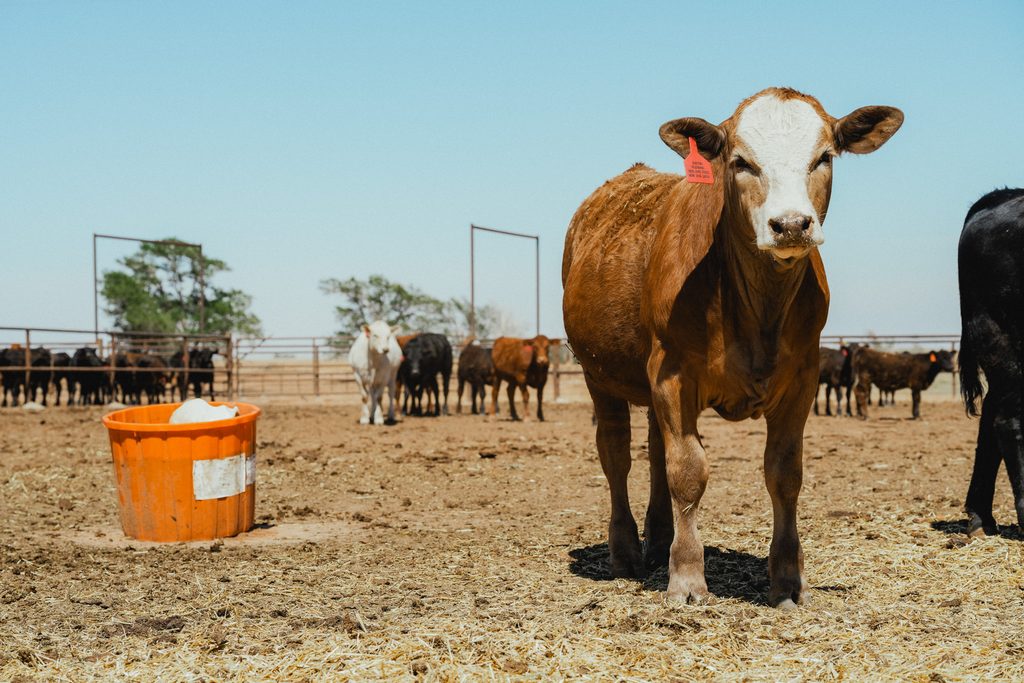
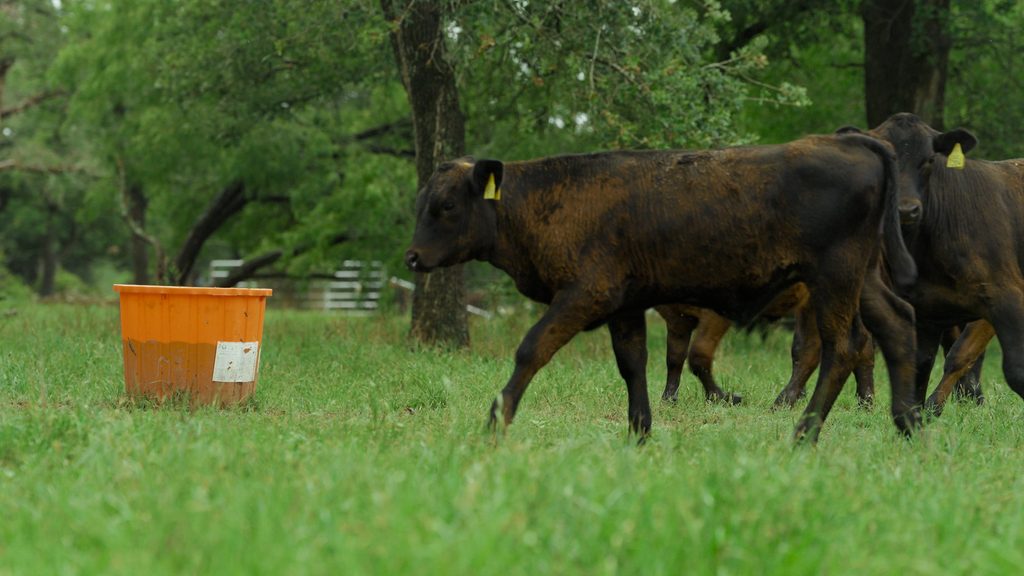
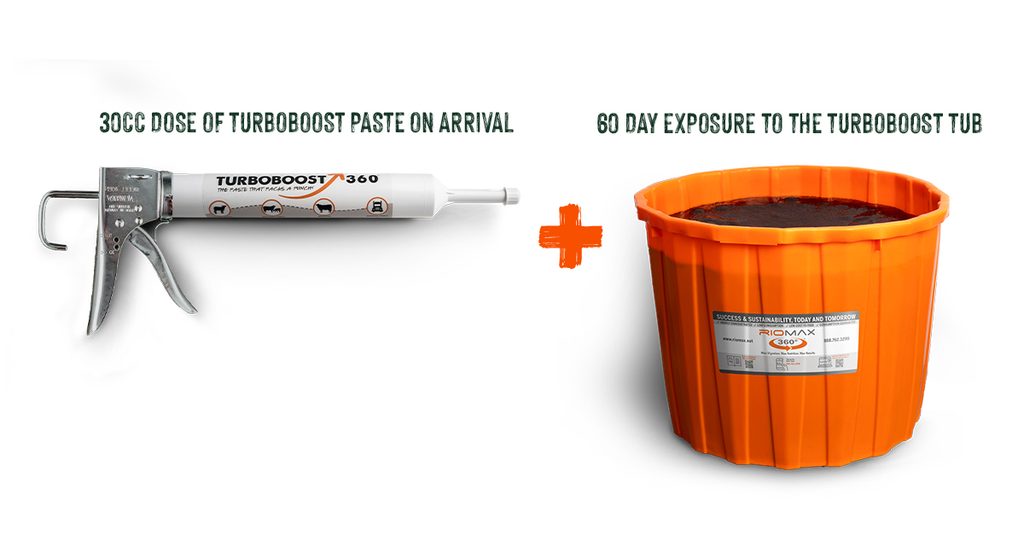
The Turboboost program consists of a dose of Turboboost paste on arrival, followed by access to Turboboost tubs for 60 days. Riomax describes it as an all-natural program intended to stimulate the immune system at a time when stress events can make calves more prone to illness.
Stress can be particularly damaging to cattle health when multiple stress events occur close together. Weaning – or lack thereof – marketing, commingling and trucking can stack up to challenge and weaken the immune system just when calves need it to perform at its best.
When the immune system is compromised and stress has reduced appetite, calves may struggle to respond to antibiotics or vaccines well enough to recover. That downward spiral can lead calves to the sick pen, chronic pen or death.
Greenfield stressed that antibiotics are a necessary tool in cattle production. Calves get sick and must be treated. However, antibiotic use in beef production is under scrutiny and the products must be used judiciously and prudently. Beef producers can support responsible use by working to prevent calves from getting sick in the first place.
That’s where the Turboboost program comes in, Greenfield said. “We’re enabling that calf to fight off disease challenges from the inside out because we’ve given the immune system what it needs to activate an immune response. So we’re working with Mother Nature versus trying to prop her up with antibiotics.”
Turboboost also is intended to stimulate appetite. “What we’re looking for is a healthy, hungry calf up at the feed bunk,” Greenfield said.
If calves don’t eat, they don’t have the fuel needed to support the immune system. Getting newly arrived, high-risk calves to the feed bunk and eating is one of the major challenges in starting calves off right.
“The main levers we’re pulling are fewer first treats, fewer retreats, less death loss and more weight gain,” Greenfield said. “While weight gain is important because we’re paid on pounds, once a calf gets sick, it never catches up with its pen mates, carcass quality suffers and input costs are higher. You can help all that with the Turboboost program.”
Limited trials cited by Riomax have shown positive results. Stocker operator Lake Newcomb of Carter, Oklahoma, conducted a trial in which a pen of calves treated with Turboboost had a 5% first-treatment rate, compared with 15.2% for a control pen that was not on the Turboboost program. The Turboboost group recorded 2.2 pounds of average daily gain, compared with 1.88 pounds for the control group.
“For us, it’s all about keeping them healthy,” Newcomb said. “We doctored four or five,” he said of the Turboboost pen. “None of them got doctored twice.”
That’s important at today’s high cattle prices. When calves are treated more than once, they seldom keep up with their original group and may have to move into the next-lower weight group. “You’re going to feed that calf another 30 to 45 days before you market him than you would if he would have stayed with his group,” Newcomb said.
An East Texas program produced similar results, according to Riomax. The Turboboost pen showed a 30% reduction in first treatments and a 30% reduction in repeat treatments, resulting in a half-pound increase in average daily gain for the group.
Terrill Ostrum said he has seen similar results. In a trial last fall involving a load of high-risk calves unloaded at a backgrounding yard, the manager said comparable calves normally would remain in the sick pen for up to seven days after the first pull. With Turboboost paste administered on arrival, cattle returned to their home pen within two days after the first treatment.
“If there ever was a time to get out of your box and try something new, this might be the best time to do it, in my mind,” said Ostrum, a cow-calf and stocker operator in the Red Lodge, Montana, area. “Look at the dollars you’ve got to work with. When you’ve got a five-weight calf bringing anywhere from $2,500 to $2,900 a head, you’ve got a little extra jingle left in your pocket.”
But that extra money can be harder to retain if calves get sick or die.
“Maintaining the health of that animal is key in the success of your operation,” Ostrum said.
For more information, visit https://riomax.net/products/turboboost-tub/
To contact us: hpj.com/contact/