
USDA raises corn production forecast, projects higher ending stocks
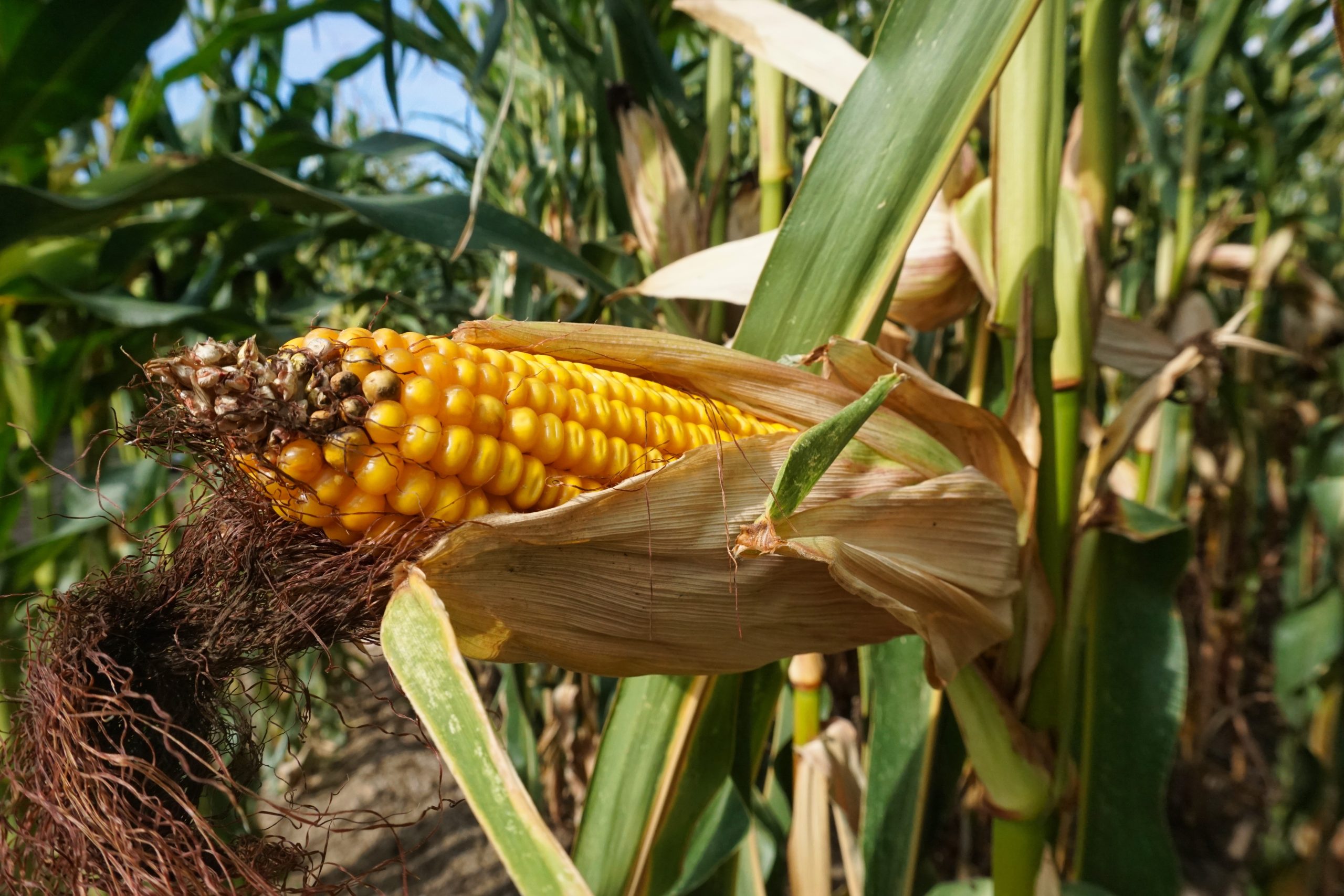
The U.S. Department of Agriculture raised its 2026-2027 corn production forecast by 234 million bushels to 16 billion bushels in its Oct. 9 World Agricultural Supply and Demand Estimates report, citing higher projected yields. The agency also increased its forecast for corn ending stocks by 282 million bushels to 1.8 billion bushels.
The projected national average corn yield increased 2.7 bushels to 181.2 bushels per acre, while harvested area for grain remained unchanged at 88.5 million acres. Beginning stocks increased by 173 million bushels based on the Sept. 30 Grain Stocks report.
USDA raised its forecast for total corn use by 125 million bushels to 16.3 billion bushels. Exports increased by 25 million bushels to 3.3 billion bushels as larger supplies supported the outlook.
The season-average corn price received by producers is projected at $4.70 per bushel, down 10 cents from the previous forecast.
Global coarse grain production for 2026-2027 is forecast at 1.589 billion metric tons, down 1 million tons from last month. Foreign corn production is expected to decline, primarily in the European Union, the Philippines and Mexico.
The European Union’s corn production forecast was reduced based on harvest results and revised government estimates. France’s production is forecast to be 38% below the previous year.
World corn ending stocks are projected at 280.4 million metric tons, up 8.3 million tons from last month, primarily reflecting larger United States stocks.
Wheat outlook reflects lower exports
USDA raised its 2026-2027 U.S. wheat supply forecast by 8 million bushels, citing higher imports and production. The agency estimated production at 1.534 billion bushels, slightly above its previous estimate, as higher yields more than offset reduced harvested area.
Despite the increase, U.S. wheat production is projected to be the lowest since 1970.
Domestic wheat use increased by 10 million bushels, all attributed to higher feed and residual use. Exports were reduced by 25 million bushels to 750 million bushels because of lower sales and shipments of hard red winter and hard red spring wheat, partially offset by higher white wheat exports.
USDA cited the continued lack of competitiveness of hard red winter wheat in export markets, where prices remain significantly higher than a year ago.
Projected U.S. wheat ending stocks increased by 23 million bushels to 740 million bushels, but remain 20% below the previous year. The season-average farm price forecast fell 10 cents to $6.30 per bushel.
Globally, wheat trade is forecast at 209 million metric tons, down 2.8 million tons from the previous estimate. Lower projected exports from Russia and the United States were partially offset by increases for Argentina and Canada.
Russia’s wheat exports are forecast at 40 million metric tons, the lowest level in five years. USDA attributed reduced shipments to logistical disruptions associated with the continuing conflict in the Black Sea region.
Global wheat ending stocks are projected at 276 million metric tons, slightly below last month’s estimate.
Soybean production forecast increases
U.S. oilseed production for 2026-2027 is forecast at 133.6 million metric tons, up 700,000 tons from last month. Higher soybean and cottonseed production more than offset lower forecasts for peanuts, canola and sunflower seed.
Soybean production is projected at 4.56 billion bushels, up 27 million bushels from the September forecast. The projected yield increased 0.3 bushel to 53.1 bushels per acre, while harvested area remained unchanged at 85.9 million acres.
Soybean supplies are forecast at 4.90 billion bushels, up 17 million bushels. With exports raised by 10 million bushels and crush unchanged, ending stocks are projected at 315 million bushels, up 5 million bushels.
USDA left its 2026-2027 season-average soybean price forecast unchanged at $12 per bushel. Soybean meal is projected at $340 per short ton, while soybean oil remains at 70 cents per pound.
Global soybean production is forecast at 442.7 million metric tons, up 400,000 tons from last month, primarily because of higher U.S. production. Lower production forecasts for India and the European Union partially offset the increase.
Global soybean ending stocks are projected at 124.3 million tons, up 300,000 tons from the previous forecast.
USDA also reduced Indonesia’s 2026-2027 palm oil production forecast by 2.2 million metric tons to 45 million tons, citing dry weather over the preceding several months. Global palm oil production is forecast to decline 2.5 million tons from the previous marketing year, with global stocks projected at their lowest level since 2017-2018.
Cotton stocks increase
USDA raised its 2026-2027 U.S. cotton production forecast by 2% to 13.44 million bales. The projected national average yield also increased 2% to 790 pounds per harvested acre, with larger crops across the Delta states driving the increase.
Projected U.S. cotton ending stocks increased 6% to 3.80 million bales. The stocks-to-use ratio is forecast at 27.5%, compared with 26.1% in September.
The projected season-average farm price for upland cotton fell 1 cent to 77 cents per pound. USDA made no other changes to its 2025-2026 U.S. cotton balance sheet, although the season-average farm price for that year increased slightly to 62.2 cents per pound.
Global cotton production, consumption, trade and beginning and ending stocks are all projected to increase in 2026-2027. Production is forecast to rise by more than 600,000 bales, led by increases in Brazil and the United States that partially offset lower production in Argentina.
Global exports are projected to increase by nearly 500,000 bales, primarily because of higher Brazilian exports. Ending stocks are forecast to rise by more than 800,000 bales, largely reflecting higher beginning stocks and increased ending stocks in the United States and India.
Rice production forecast declines
USDA lowered its 2026-2027 U.S. rice production forecast to 157.7 million hundredweight, citing reduced yields in the October Crop Production report from the National Agricultural Statistics Service.
The projected average all-rice yield fell 22 pounds to 7,668 pounds per acre. Ending stocks are forecast at 40 million hundredweight, down 400,000 hundredweight from last month and 32% below the previous year.
The season-average farm price for all rice increased 30 cents to $15.20 per hundredweight. The long-grain rice price forecast rose 50 cents to $14 per hundredweight, reflecting observed cash and futures prices.
Globally, rice supplies are projected to increase by 700,000 metric tons to 737.3 million tons. Consumption is forecast to decline by 800,000 tons to 538.8 million tons, while global trade is projected to fall 1.3 million tons to 61.4 million tons, mainly because of lower exports from India.
World rice ending stocks are forecast at 198.5 million tons, up 1.5 million tons from the previous estimate, as increases in India and Japan more than offset reductions in China, the Philippines and Indonesia.
Find the full report at www.usda.gov/oce/commodity/wasde/wasde1026.pdf.