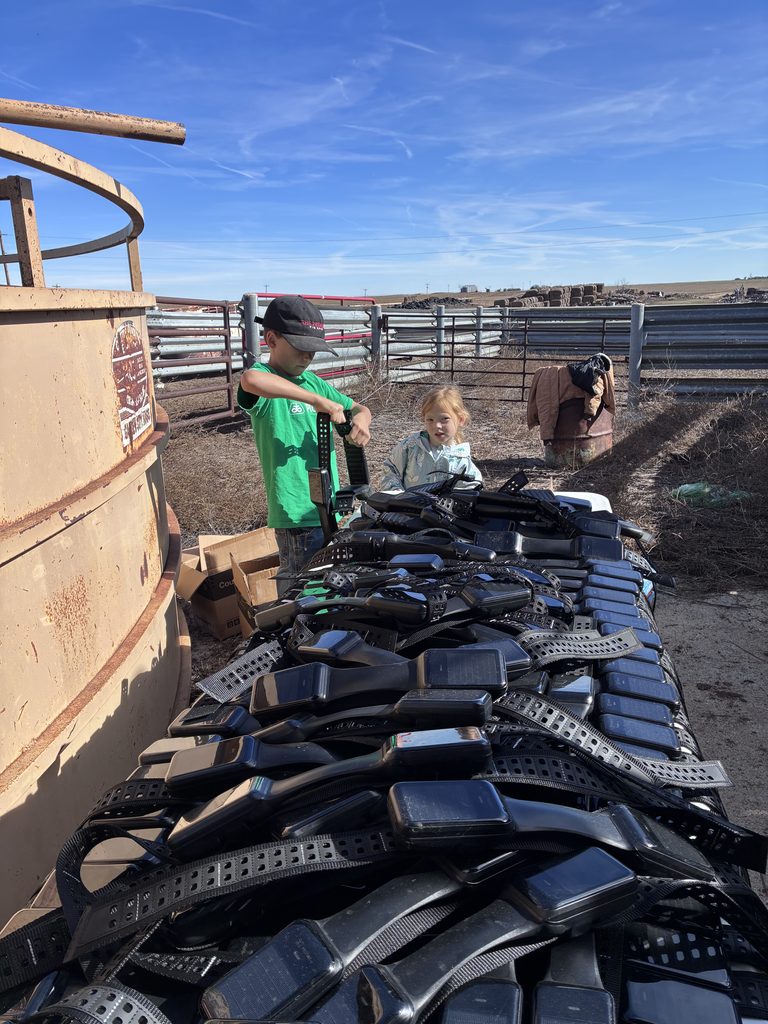
After hearing about another local rancher’s success with virtual fencing, my father in law decided to take the leap and try out the technology to improve grazing management within his own operation.
This past weekend collaring the cows became a family affair, and I can see why this technology gaining so much traction across the US. From the customer service to the processing ease and user friendly app, getting started has been rather simple.
A few takeaways from our experience:
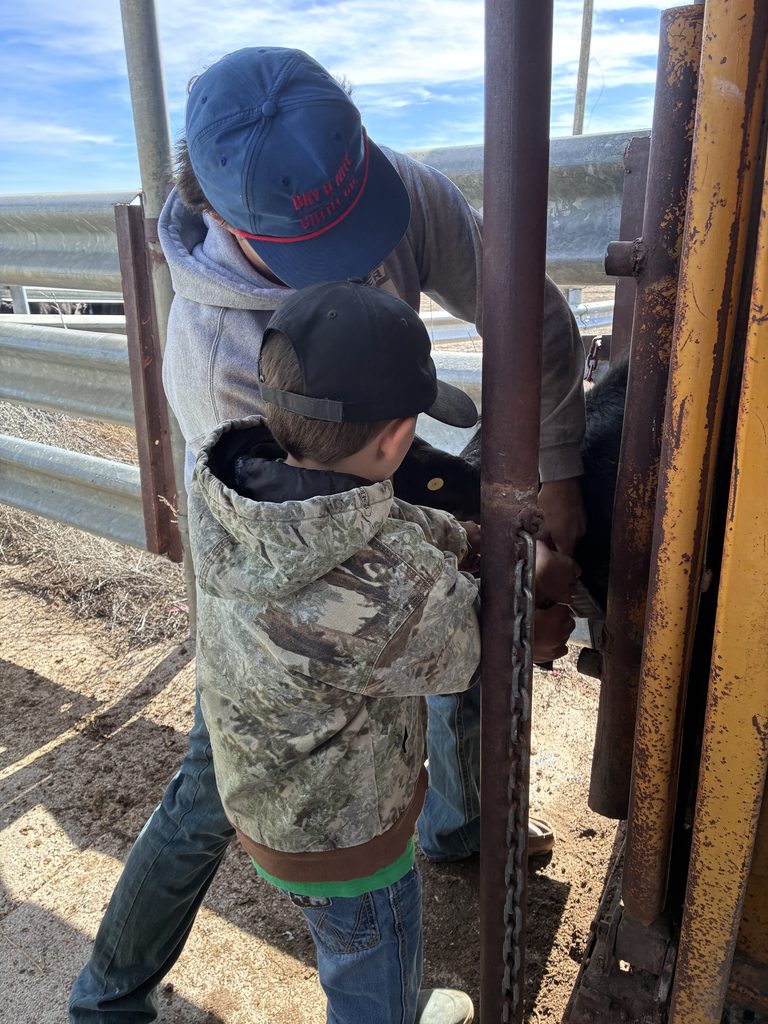
- A hydraulic chute made the job easier and safer. I’ve seen videos of other operations collar cows without the use of a hydraulic chute and I can’t imagine you’d want to do that if you’re collaring more than 25 head. The majority of the collars went on fairly easily, but there were a couple of times the collar went flying!
- Extra hands made a difference. I’d recommend having at least five people helping out to keep day running smoothly. We worked 120+ head in about 4 hours, and that included moving cattle, letting the kiddos help put on a few collars, and a little socializing.
- Have a plan in place before you begin. Scan each collar before the person installing it fits it around the cow’s neck. Make sure everyone understands the process and who’s responsible for each step. A little organization goes a long way when you’re working that many cattle.
Of course, getting the collars on is just the first step. And we’re only in the first week of training and setting the virtual boundaries.
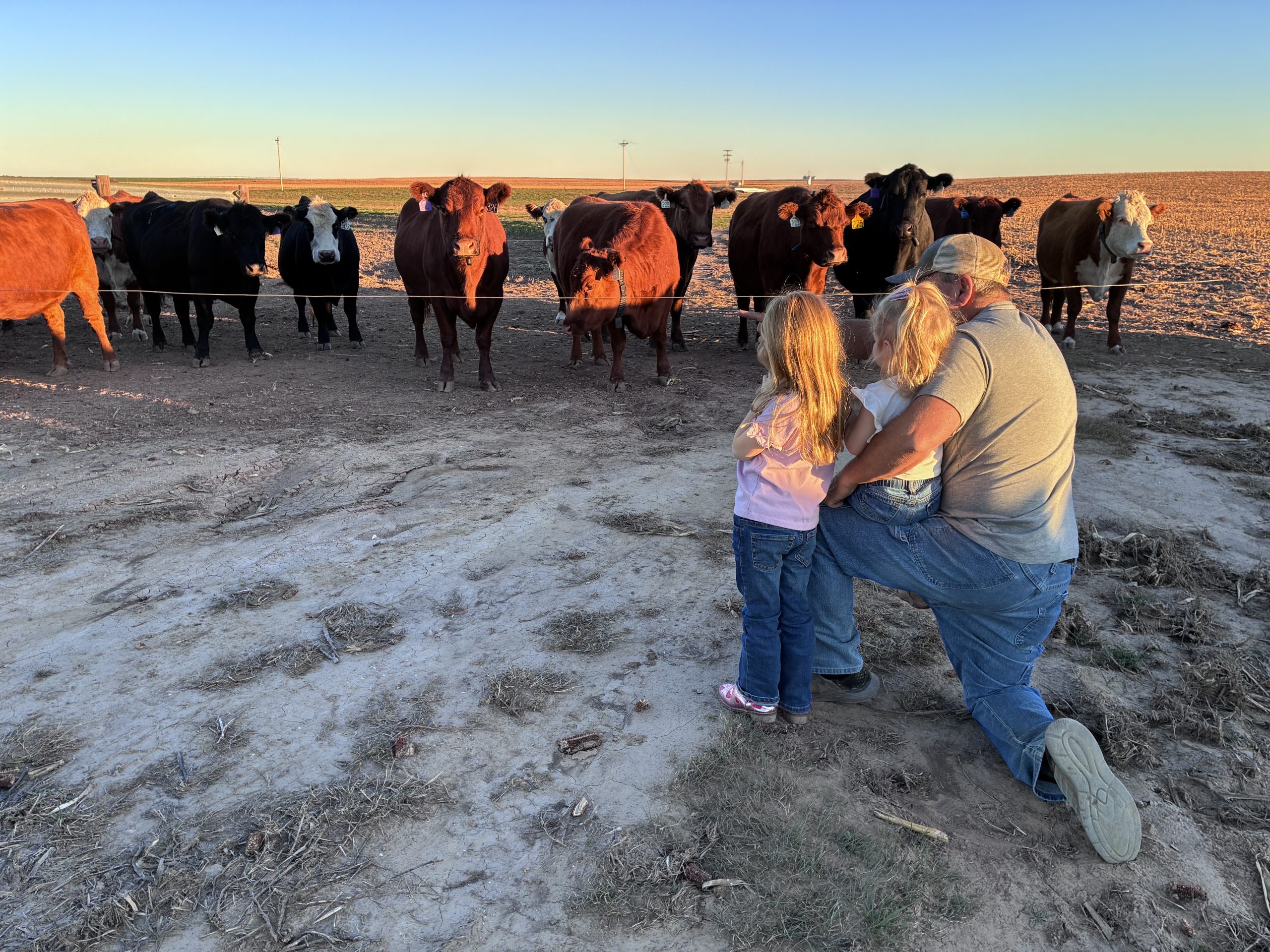
There’s still plenty to learn, but the first experience has been encouraging. For me, one of my favorite parts of the weekend was watching multiple generations work together to bring new technology to the ranch. The tools and tech may be changing, but the importance of family, a little teamwork and caring for the land certainly hasn’t. And if this technology can help us better manage our grass and grazing management, save time and make it a little more flexible, then I think it will certainly be worth it.