Winter squash and pumpkins can be delayed, many others are ready for planting
Warmer temperatures in Kansas mean it’s time for gardeners to begin planting warm-season vegetables. There are exceptions, however.
“Winter squash and pumpkins should be delayed until mid- to late-June,” said Kansas State University horticulture expert Matthew McKernan. “This will help protect plants from one of their biggest pests, the squash bug.”
McKernan said the first generation of squash bugs is active in July. Delaying the planting date for squash will result in younger plants that can escape this round of squash bug damage.
“Plants will still need protection from the second generation of squash bugs, which are present in August,” he said.
Protecting plants from squash bugs requires implementing a wide variety of strategies, including frequent scouting for eggs and nymphs, hand picking when insects are present, and removing plant debris from the garden at the end of the growing season.
If these options still aren’t sufficient, the use of insecticides may also help control squash bugs.
“For small gardens, with only a few plants, floating row covers may be an effective alternative to insecticides,” McKernan said. “Using fabric coverings, suspended over plants as they grow, restricts squash bugs from being able to reach plants and cause damage. Just keep in mind that covers will need to be removed during flowering to allow bees to pollinate flowers for fruit set.”
More information on squash bugs is available online from the K-State Extension Horticulture Resource Center.
McKernan reminded gardeners that young plants need protection from the wind.
“As you move seedlings into the garden, remember to harden them off by exposing them to the elements gradually,” he said. “Strong winds, intense sunlight, and hot temperatures are all extremes that plants must acclimate to in order to survive.”
“In small scale gardens you can create a windbreak to protect young transplants, but this is not always practical on a large scale.”
“While it may be best to wait on planting squash and pumpkin, we have reached the time of year most other warm season vegetables can be safely planted,” McKernan added.
Tomatoes can be transplanted when the soil temperature is 55 degrees Fahrenheit. Peppers, cucumbers, melons and squash should be planted when the soil temperature is at least 60 F.
“Our soil temperature in Kansas is high enough now that it is safe to plant most warm-season crops,” McKernan said.
McKernan and his colleagues in K-State’s Department of Horticulture and Natural Resources produce a weekly Horticulture Newsletter with tips for maintaining home landscapes and gardens.
Interested persons can subscribe to the newsletter, as well as send their garden and yard-related questions to [email protected], or contact your local K-State Extension office.
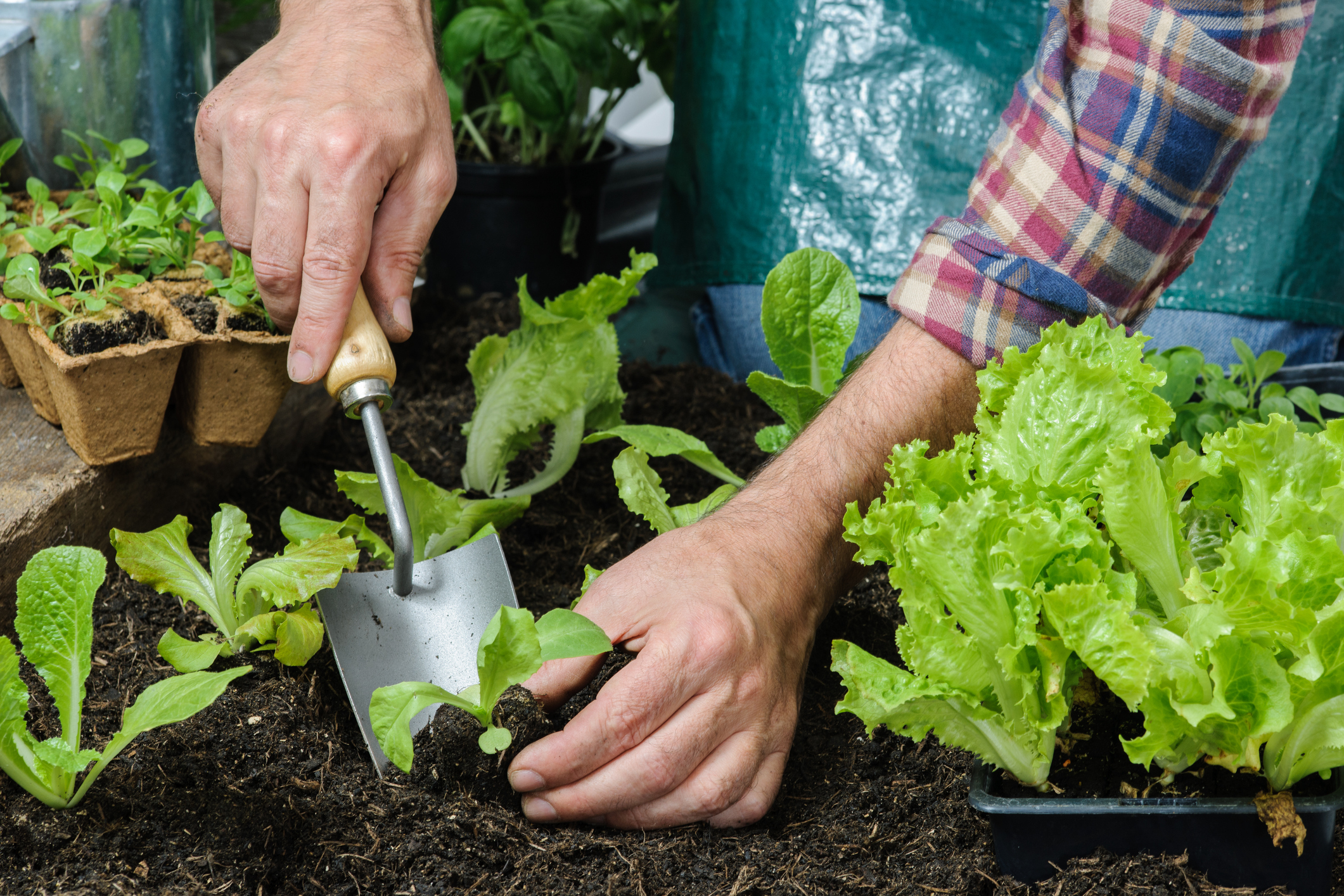
PHOTO: Farmer planting young seedlings of lettuce salad in the vegetable garden (Photo: iStock – AlexRaths)