K-State Extension horticulture specialist explains why people are seeing freeze damage, and how to help plants recover from extreme temperature swings
In his ‘Speech On The Weather’ in 1876, Mark Twain offered a perspective that reflects recent weather patterns across Kansas.
“In the spring I have counted one hundred and thirty-six different kinds of weather inside of four-and-twenty hours.”
Though not a meteorologist, Twain’s quote depicts recent temperature swings from record warmth to sudden cold snaps. These extremes are increasing the risk of frost and freeze injury to landscape plants, particularly those that broke dormancy early due to warm winter conditions.
“These rapid temperature swings can reduce a plant’s cold tolerance, especially once spring growth begins,” said Matthew McKernan, Kansas State University Extension horticulture expert.
Warmer temperatures earlier in the season can leave plants more vulnerable when colder conditions return.
How frost and freeze injury appear
Frost and freeze damage can present differently depending on the type of plant affected, but several common symptoms may help identify injury.
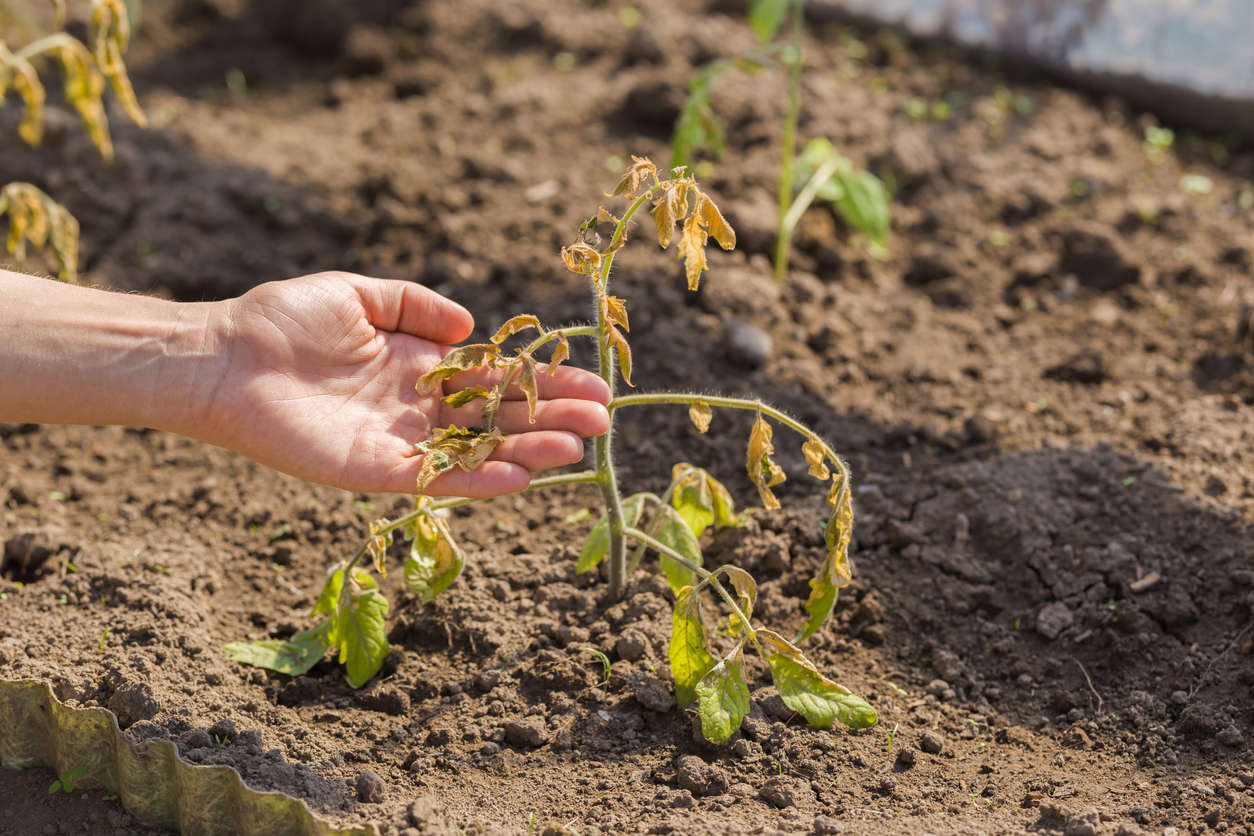
“Damaged plant tissue may first appear dark green and water-soaked before turning brown or mushy,” McKernan said.
Leaves may curl, droop or scorch along the edges, and in more severe cases, buds may fail to open or die shortly after emerging.
“New growth and flower buds tend to be the most sensitive to cold temperatures,” he said.
When assessing frost injury, it is important to determine whether plant tissue is still alive before taking action.
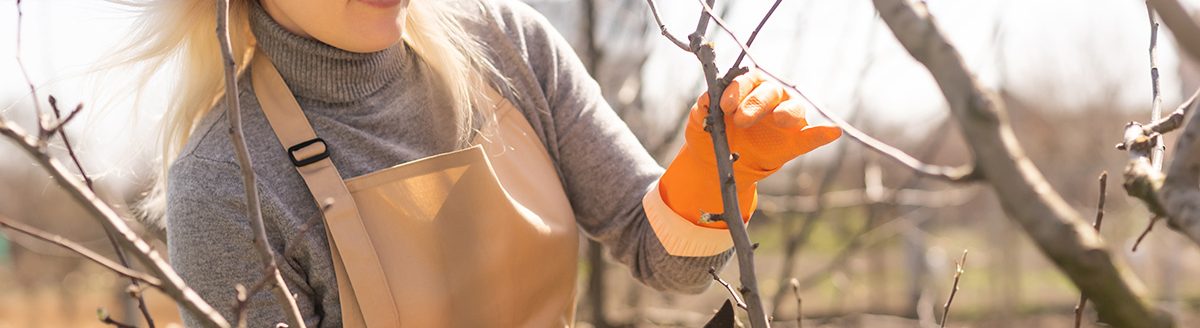
“Lightly scratching the bark can help determine if branches are alive — green tissue underneath indicates the branch is still living,” McKernan said.
McKernan recommends waiting until plants begin to leaf out before deciding whether pruning is necessary.
“It’s best to wait and see how the plant responds before removing damaged material,” he said.
Helping plants recover
McKernan said that in many cases, patience is the most effective approach when dealing with frost-damaged plants.
“It may take several weeks for the full extent of injury to become visible, and many plants will recover over time,” McKernan said.
Homeowners are encouraged to avoid immediate pruning and instead allow plants time to regrow naturally.
Providing adequate moisture can also help reduce stress, particularly during dry periods.
“Deep watering can help support plant roots and reduce additional stress,” he said.
Delaying early spring fertilization is also important to avoid pushing new growth that could be damaged by future freezes.
For many established trees, shrubs and perennials, new growth will often emerge even if early growth was damaged.
“Most plants will recover, but they may take longer than usual to leaf back out this spring,” McKernan said. “If the primary flush of growth is damaged, plants will form secondary buds to replace growth, but this takes additional time and energy from the plant.”
With proper care throughout the growing season, plants can rebuild energy and continue growing.
Once new growth appears, any clearly dead portions of the plant can be pruned away.
Despite recent temperature swings, McKernan said most plants are expected to recover with time and proper management.
McKernan and his colleagues in K-State’s Department of Horticulture and Natural Resources produce a weekly Horticulture Newsletter with tips for maintaining home landscapes and gardens.
More information on frost and freeze damage is available online from the K-State Horticulture Newsletter, or from local K-State Extension offices in Kansas.
PHOTO: Damaged unprotected tomato plant after cold morning. (iStock-#1318417852 │ FotoDuets)