
Hayden on Harvest: Harvest crew races weather as wheat begins to lodge
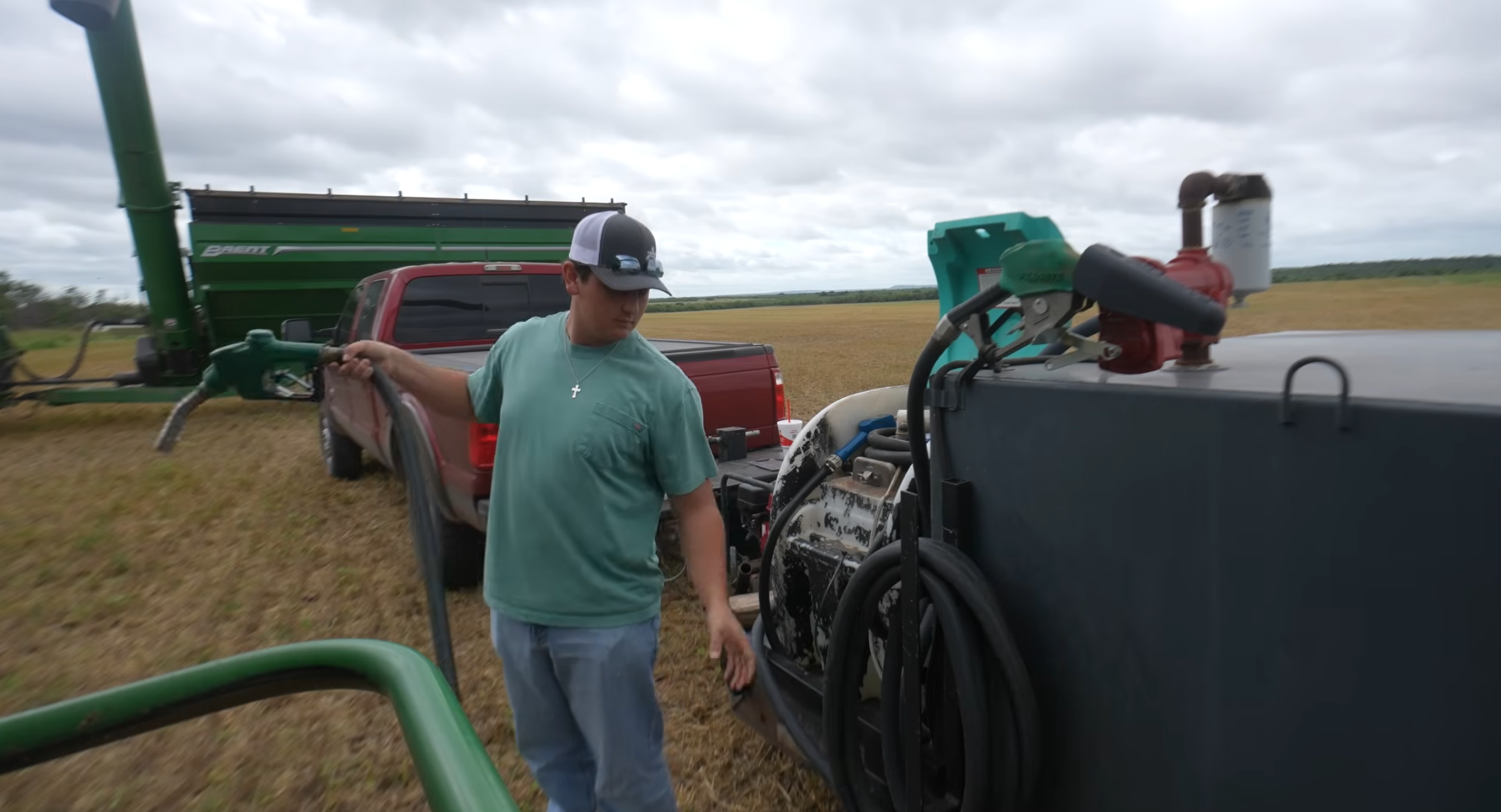
A custom harvesting crew accelerated its work in Central Texas as forecasts called for additional rainfall that could increase crop losses in wheat already beginning to lodge.
After completing routine servicing of a combine, the crew moved into a field where grain moisture remained borderline for harvest because of overcast conditions. Operators opened the field before shifting to the long rows once conditions improved.
While temperatures reached about 90 degrees with steady wind, the wheat showed signs of lodging, with some heads already resting on the ground. The operator said another rainfall likely would have caused additional lodging and increased harvest losses.
Harvesting lodged wheat required running the header lower than normal, reducing stubble height in an effort to recover grain heads lying close to the ground. Even with those adjustments, some grain was lost as heads struck the header and fell before entering the combine. The operator said harvesting immediately offered the best opportunity to limit additional losses before the next rain event.
The crew focused on completing a 110-acre field before moving to additional acreage. Although operating alone can be less engaging than harvesting alongside other combines, the operator said a single machine often covers more acres because it can work uninterrupted without coordinating around other equipment.
Later in the day, harvest shifted back to a field that had previously been left because of wet ground conditions. Neighboring producers advised the crew about muddy areas, allowing operators to adjust their harvest pattern while avoiding the wettest portions of the field.
Mechanical issues also affected progress after another combine in the operation experienced a feeder house bearing failure, leaving it out of service until repairs could be completed. A second combine joined the field to help finish remaining acres before conditions deteriorated.
The crew ended the day after harvesting 187 acres, stopping before darkness made it more difficult to identify wet spots across the remaining field. With only a few days of harvest remaining in Central Texas, completing the crop ahead of forecasted rainfall remained the operation’s primary objective.



