Controlling volunteer wheat is critical to reducing wheat curl mite
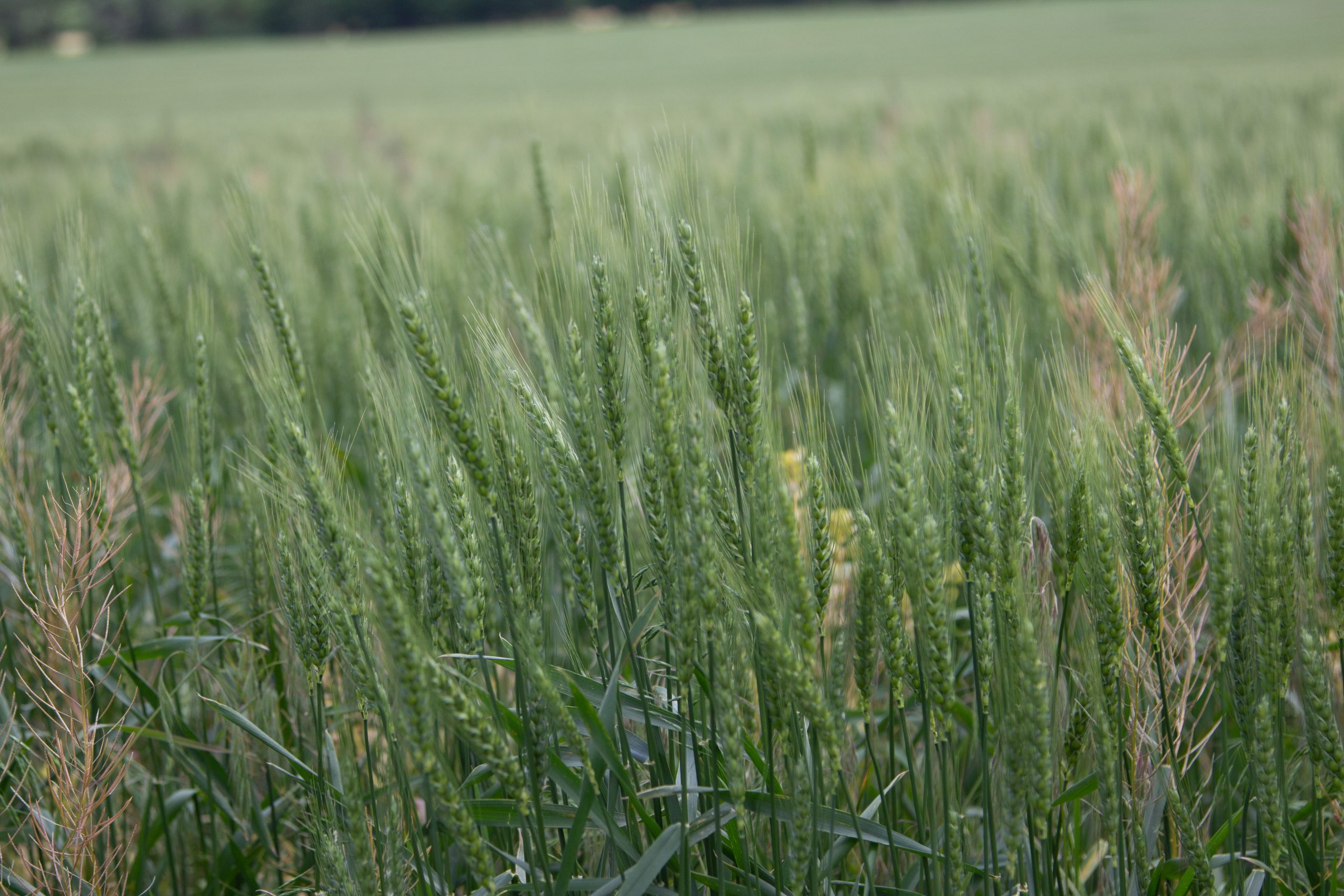
Wheat producers preparing for fall planting should pay close attention to volunteer wheat that could provide a bridge between the previous crop and newly planted winter wheat.
Kelsey Andersen Onofre, associate professor and Extension wheat pathologist in Kansas State University’s Department of Plant Pathology, said controlling volunteer wheat is the most important regional step producers can take to reduce the threat from wheat curl mites and the viruses they transmit.
The wheat curl mite can transmit wheat streak mosaic virus, triticum mosaic virus and High Plains wheat mosaic virus. The viruses may occur individually or together, creating what is commonly called the wheat streak mosaic disease complex.
“All of those are present at different levels, or many times together, throughout Kansas and throughout the southern Great Plains region,” Andersen Onofre said during an interview with High Plains Journal Editor Dave Bergmeier.

The mites are extremely small and cannot be easily detected during routine field scouting. Even when mite populations are high, producers may not see the resulting crop damage until wheat begins showing yellowing and other symptoms in the spring.
Early infections increase potential losses
The amount of damage depends on several factors, including when infection occurs, the viruses present and the susceptibility of the wheat variety.
Fall infections are generally more damaging because the viruses have more time to accumulate and move through the plants. Severely affected wheat may experience stunting, reduced tillering and major yield loss.
Losses can range from relatively minor reductions to nearly complete crop failure. Andersen Onofre said fields infected early in the fall can sustain yield losses of 90% to 100% under severe conditions.
Damage may become even greater when more than one virus infects the same plant. Wheat streak mosaic virus and triticum mosaic virus, for example, can interact and produce more severe losses than either virus alone.
Spring infections may still produce visible symptoms, but plants infected later often have greater height and better tiller development than wheat infected during the fall.
Volunteer wheat sustains mites
Wheat curl mites survive and reproduce most effectively on living wheat. As mature wheat dries down near harvest, mites move toward the top of the canopy and are carried by wind to other green plants.
Volunteer wheat that emerges after hail, harvest loss, shattering or lodging can provide an ideal summer host.
If the volunteer remains alive, the mites continue reproducing until newly planted wheat emerges. They can then move directly into the fall crop and transmit viruses while feeding.
“Anything we can do to really break the bridge on a regional perspective is going to help everybody,” Andersen Onofre said.
Because mites can move across roads and property lines, control on a single farm may not eliminate the threat. Neighboring volunteer wheat can still serve as a source of mites.
That regional risk has led K-State specialists and Kansas Wheat to promote regional wheat-free periods based on optimal planting windows in different parts of the state. The goal is to remove living wheat hosts long enough to interrupt the mites’ life cycle before the next crop emerges.
Hidden volunteer can increase risk
Volunteer wheat may also be concealed within cover crops, double-crop soybeans, sorghum or other crops planted after harvest.
Seeds lost during wheat harvest can germinate after rainfall and become difficult to see beneath the crop canopy. Although wheat curl mites can survive on some grasses, Andersen Onofre emphasized that wheat remains their preferred host and supports the highest reproduction rates.
Producers should inspect those fields carefully rather than assuming the presence of another crop eliminates the risk.
Chemical control is limited
Insecticide or miticide applications have not provided reliable control of wheat streak mosaic.
Some products may kill a portion of a mite population under controlled conditions, but the mite can transmit a virus as soon as it begins feeding. Killing the mite after that feeding occurs does not prevent the plant from becoming infected.
As a result, chemical applications may add expense without preventing virus transmission.
Layer management practices
Andersen Onofre recommended that producers combine several management practices rather than relying on a single line of defense.
The first is obtaining a quick and complete kill of volunteer wheat. Producers should also consider whether their herbicide program provides enough residual activity to control later flushes.
Planting date is another important consideration. Early planting exposes wheat to warmer conditions and gives mites more time to move into the crop before temperatures decline.
Variety selection can also affect potential losses. No variety provides complete protection, but some have stronger resistance ratings than others. Andersen Onofre encouraged producers to review the Kansas Wheat Variety Guide when selecting seed.
Finally, producers should assess the fields surrounding each planned wheat field. Nearby volunteer wheat, cover crops or double-crop fields containing volunteer plants may place adjacent wheat at greater risk.
Fields with greater exposure may warrant later planting and a variety with a stronger defensive package.
Producers who are uncertain whether crop symptoms are caused by a virus, nutrient deficiency or another stress may submit samples to the K-State Plant Disease Diagnostic Lab. The laboratory can test wheat for the viruses associated with the wheat streak mosaic disease complex.
The interview was sponsored by Kansas Wheat.
Dave Bergmeier can be reached at 620-227-1822 or [email protected].