Dairy specialist: Corn silage demands precision
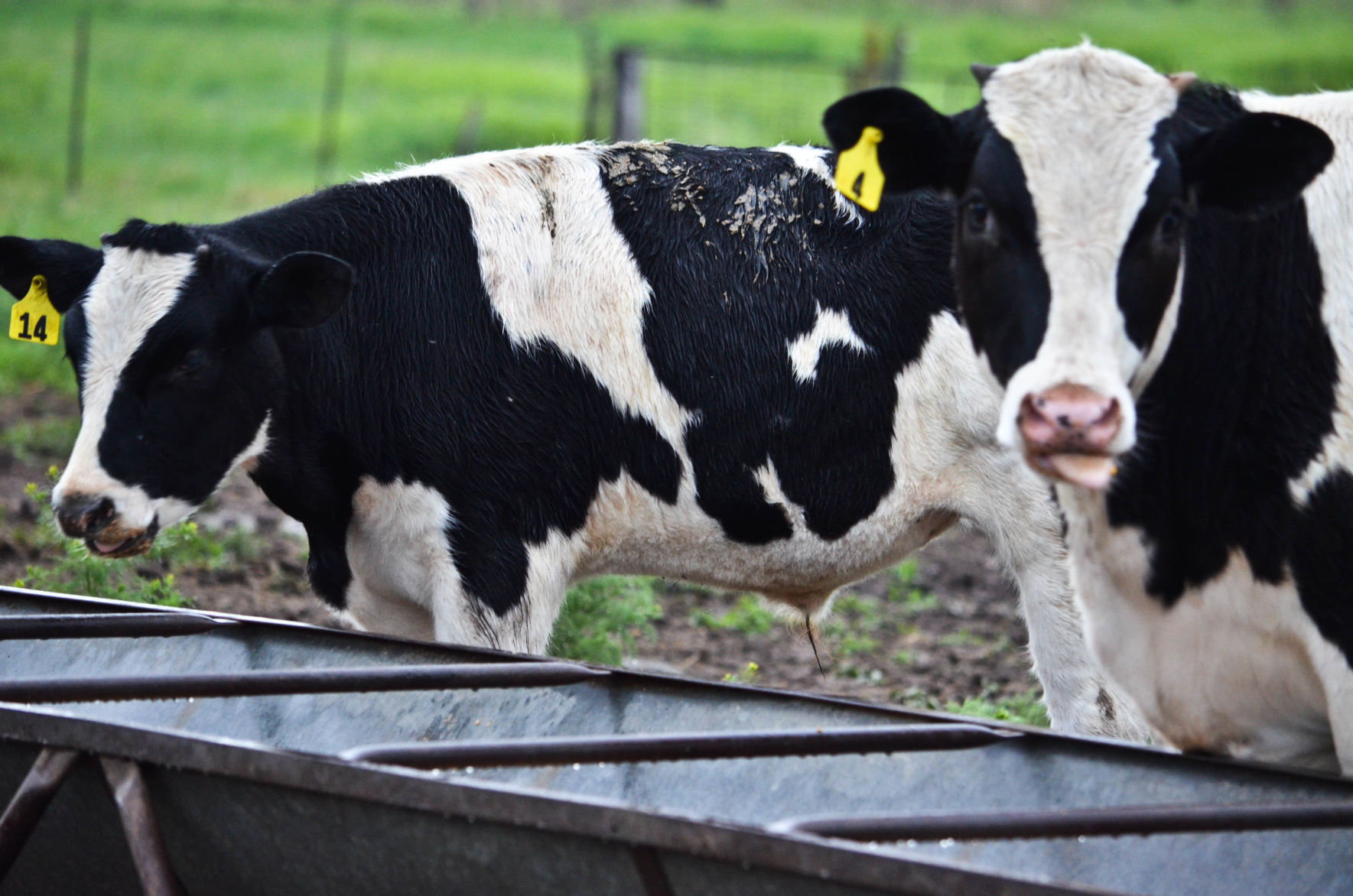
As producers prepare for silage harvest, remember that corn silage harvest is one of the most fast‑paced, high‑stakes periods on a dairy farm, and the decisions made in the next few weeks will shape feed quality for the entire year, according to an Iowa State University dairy specialist.
Four factors—cut length, moisture, packing density, and pile safety—stand out as the most influential in determining whether silage ferments properly, stores well, and feeds consistently,
said Fred Hall, who has been involved in the dairy industry for many years.
Moisture: The foundation of good fermentation
Hitting the correct moisture target remains the single most important harvest decision, Hall said. Silage should enter storage at 35% to 38% dry matter (62% to 65% moisture) to ensure rapid, stable fermentation. Dry silage traps oxygen, leading to heating, mold, and poor fermentation, he added.
Wet silage packs easily but risks effluent losses—nutrient‑rich liquid draining from the pile—and increased spoilage, Hall said. “Because today’s hybrids vary widely, relying on milk line alone is no longer dependable. Regular moisture testing—whether with a Koster tester, microwave method, or feed‑store analysis—remains the most accurate approach.”
Cut length: Balancing fermentation and cow health
Chop length directly affects both packing and rumen function. For processed corn silage, the recommended theoretical length of cut (TLC) is 3/4 inch, while unprocessed silage should be 3/8 to 1/2 inch, Hall said. If chop length is too coarse, it becomes difficult to pack and there could be problems due to spoilage and poor fermentation.
Sharp knives and properly adjusted kernel processors ensure uniform particle size and maximize starch availability. Producers should routinely check kernel breakage for no more than 2 to 3 whole or half kernels in a 32-ounce cup sample.
Packing density: Air Is the enemy
Every load entering the bunker is an opportunity to protect feed value, the dairy specialist said. Dense packing reduces oxygen infiltration, speeds up fermentation, and lowers dry matter loss. Research‑based targets include:
- Minimum 15 pounds dry matter per cubic foot
- 6‑inch layers for optimal compaction
- The “Rule of 800”: multiply tons delivered per hour by 800 to determine required packing weight
Poor packing can lead to significant feed losses; trapped air can lead to heating, mold and spoilage, Hall said. Matching tractor weight to delivery rate and slowing harvest, if necessary, helps ensure the pile stays ahead of incoming loads.
Pile safety: Protect people first
Silage piles and bunkers are among the most dangerous areas on a dairy. Taller piles increase rollover risk, face‑collapse hazards, and visibility challenges. Key safety practices include:
- Maintaining safe 3:1 slopes
- Keeping all workers three times the pile height away from the face
- Ensuring tractors have ROPS and seatbelts
- Never undercutting the face during feed‑out
Producers are minded that “your life is more valuable than any load,” and that clear traffic patterns, communication, and high‑visibility clothing are essential during long harvest days.
The bottom line
“High‑quality corn silage doesn’t happen by accident,” Hall said. “It’s the result of disciplined moisture testing, correct chop length, aggressive packing, and unwavering commitment to safety.”
With attention to these fundamentals, dairies can preserve more nutrients, reduce losses, and protect both cows and people throughout the year, he said.
Dave Bergmeier can be reached at 620-227-1822 or [email protected].