Arizona border crossing reopens to Mexican cattle
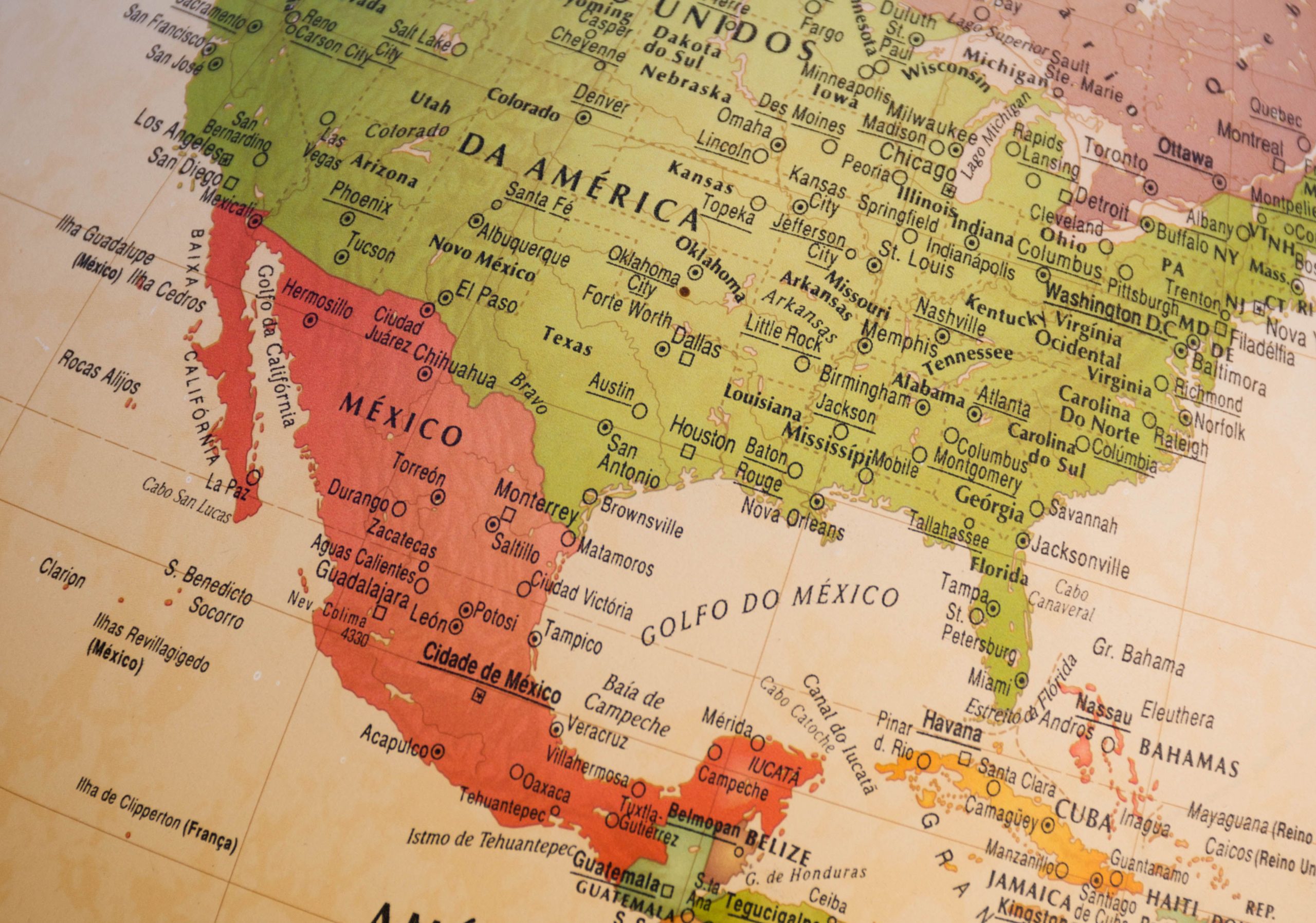
More than 700 head of cattle crossed into the United States through Douglas, Arizona, Aug. 24, as the U.S. Department of Agriculture resumed live cattle imports from Mexico following a 15-month closure in response to the spread of New World screwworm.
The Douglas crossing is the first and currently only active cattle crossing at the border. USDA is using the port to test and refine its reopening procedures before considering additional ports.
The reopening comes despite a confirmed NWS case in Sonora, Mexico, reported only days before the Douglas port reopened. USDA said Aug. 20 it would proceed with the Aug. 24 reopening, noting the case was located 292 miles from the border and had prompted a rapid response.
“The whole-of-government response has put us in a strong position to begin safely and gradually reopening our southern border to cattle shipments,” said NCBA CEO Colin Woodall. “This decision will help normalize business for cattle operations throughout the border states and Southern Plains. We appreciate the continued work of USDA to support American producers and the U.S. cattle industry.”
Safety measures
Cattle entering through Douglas must originate in low-risk areas of Mexico, such as Sonora or Chihuahua. Before crossing, each animal must undergo multiple inspections and parasite treatments and remain in certified pre-export facilities.
The process includes a pre-inspection and ivermectin or doramectin treatment at the ranch of origin. At the Mexican export facility, veterinarians inspect cattle for open wounds, ticks and lesions.
Cattle then must pass through a dipping vat at a U.S. Animal and Plant Health Inspection Service facility, fully submerging their heads under the supervision of a USDA veterinarian.
Arizona officials have added additional requirements as well. Cattle must have electronic identification tags; veterinarians must issue certificates for each animal, and state personnel will double-check paperwork and destinations.
Animal ID
The electronic identification tags replace blue metal clip tags previously used on cattle entering the country. The electronic identification system is intended to improve processing and traceability by linking each animal directly to its herd of origin.
Arizona Agriculture Director Paul Brierley said he is confident the safeguards will reduce the risk of cattle carrying the pest into the U.S. The Texas and Southwestern Cattle Raisers Association also expressed support for the phased reopening while emphasizing the importance of maintaining fail-safes.
“Our members need continuity in commerce, but they also need confidence that every reasonable safeguard is in place to reduce the risk of New World screwworm,” TSCRA President Stephen Diebel said. “We support USDA’s phased reopening based on its science and modeling and the months of work by USDA, state partners and producers.”
Diebel said the association would support closing the ports again if established triggers indicate the safeguards are not working.
A phased reopening
The Douglas crossing was chosen as the first border crossing to reopen because it is the farthest from confirmed NWS cases in Mexico plus Arizona has not had any positive cases.
The Douglas crossing will be limited to importing 700 head to the U.S. per day with this phased approach before the crossing gradually returns to its prior volume of 1,200 to 1,500 cattle per day.
If the Douglas port operates successfully for 30 days, USDA will evaluate reopening eastern ports of entry, including Santa Teresa and Columbus in New Mexico. When all three ports are fully operational, they could handle an estimated 3,500 to 4,000 head of cattle per day.
“The resumption of Mexican feeder cattle imports with today’s reopening of the port at Douglas, Arizona, signifies an important first step in getting back to business as usual,” said Laphe LaRoe, Texas Cattle Feeders Association chairman in a post on X. “For over a century, the U.S. has safely imported light weight feeder cattle from Mexico, averaging just over a million head annually for the last 25 years. They have become an integral part of the cattle industry in Texas, Arizona, New Mexico and Oklahoma, producing a billion pounds of high-quality, safe and wholesome beef for U.S. consumers.”
Lacey Vilhauer can be reached at 620-227-1871 or [email protected].