
Food for Schools gives Oklahoma ag a shot in the arm
Putting locally sourced farm products into schools can be a win-win and opens new avenues for farmers and ranchers.
The Local Food for Schools Program is a project of the Oklahoma Department of Agriculture, Food and Forestry and is a success story. The Oklahoma Legislature has allocated $3 million for this year’s program.
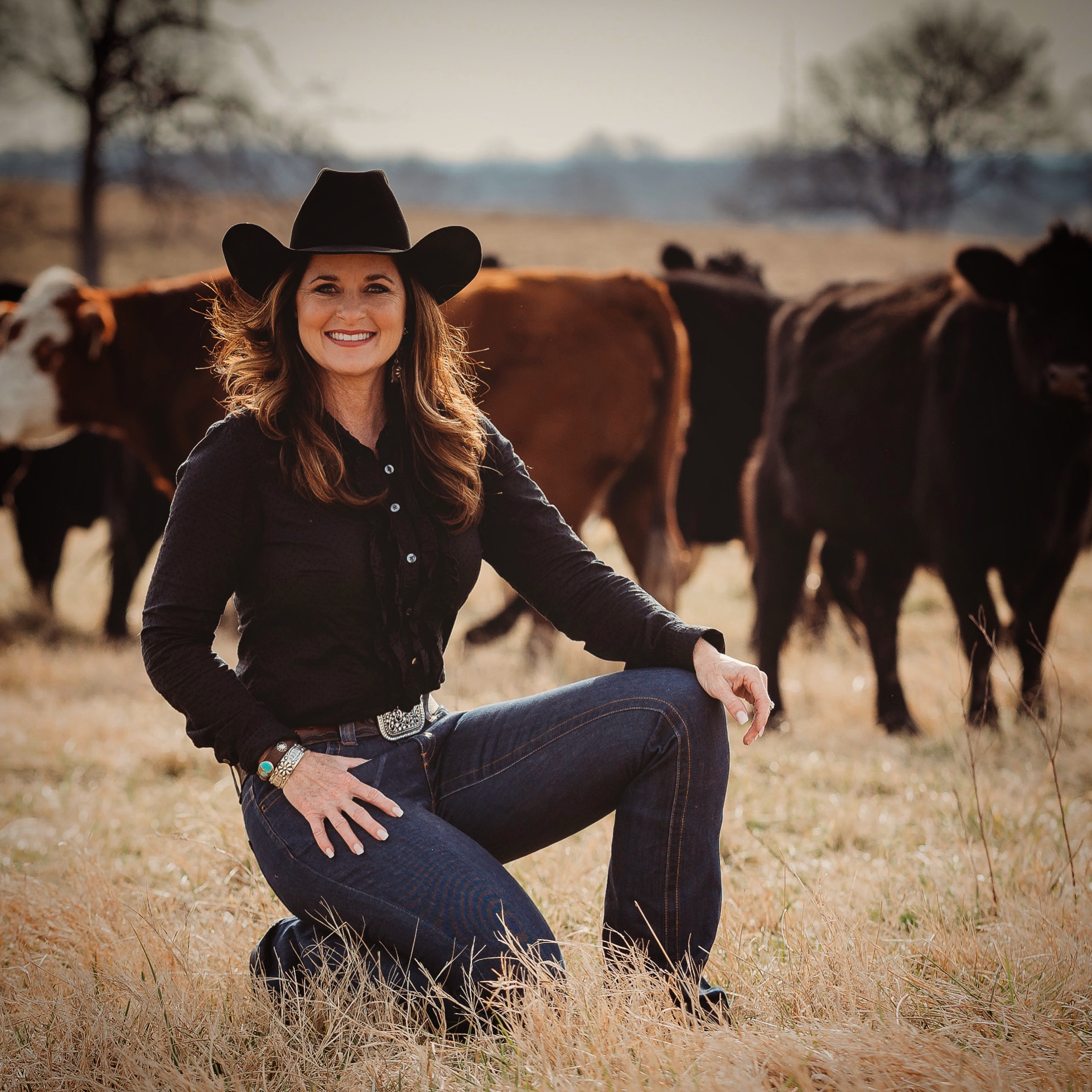
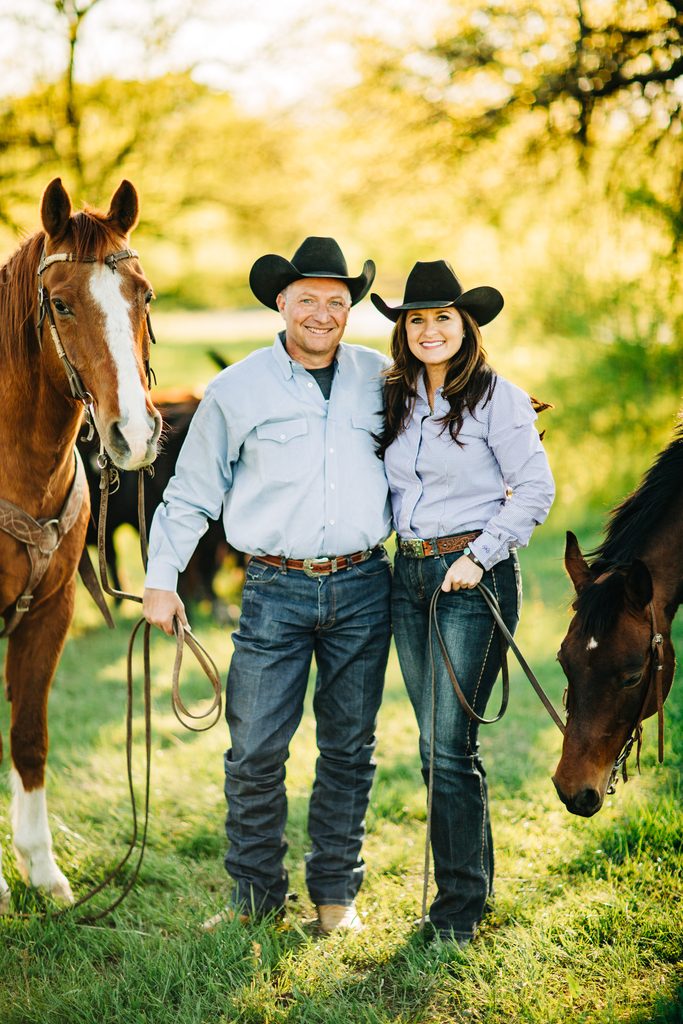
Nikki Callison (pictured at top) of Callison Ranch Beef, a mother, grandmother and former elementary teacher, is an advocate. This is the third year she has participated in the Local Food for Schools Program.
“I love the fact that kids are being fed great local protein,” she said. “When I say local it means from within your state.”
Bryce Boyer, director of communications with the Oklahoma Department of Agriculture, Food and Forestry, said the program is designed to help connect schools with locally grown, nutrient-rich food options for school kids. It also provides funds for schools to stretch resources.
“It’s also a great benefit to local producers,” Boyer said. “Last year, 92% of producers who participated in the program were small businesses. This gives them a new avenue to explore for future business needs while also being able to serve their community.”
A great option
Schools have tight budgets, Callison said, and she recognizes why they are cost-conscious when it comes to buying meat and protein.
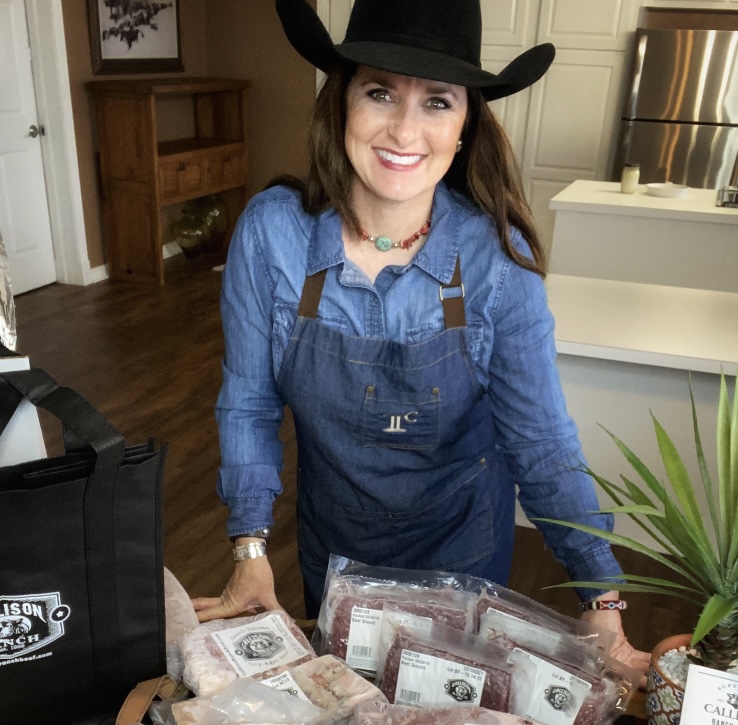
“In buying meats and proteins, we want to make sure beef is a choice and especially American beef is a choice for these schools, whether the schools are big or small,” Callison said.
Research shows beef is a healthy protein source for growing children, she said.
Callison Ranch Beef is located about four miles south of Ada, Oklahoma, and the cow-calf and stocker operation leases 1,400 acres from The Nature Conservancy. The ranch runs 300 steers from March to August in a partnership that works well for both entities, Callison said.
The ranch has directly sold U.S. Department of Agriculture-inspected beef to customers since 2018, she said. That includes meat headed for schools.
“We try to have the best pricing we can, and I give schools an option of meat selections, everything from brisket, roast, ground beef and stew meat,” Callison said. “We’ve had a couple of schools also order fajita beef.”
Some schools only want to keep ground beef, but she had one superintendent contact her and tell her he wanted his students to experience different foods they would not normally eat at home, which led the district to order fajita meat and brisket.
Callison Ranch Beef supplies beef to schools from large to small in the state.
How it works
Schools can apply for a grant that can range from $5,000 to $25,000, and they have a set time period to purchase farm and ranch products.
The program is set up so there is lead time to work with school officials. Although the money comes from the state, a voucher must be submitted and approved by the local school board, Callison said.
Ranchers will have to keep in mind schools’ storage needs, she said. Some may be able to receive multiple orders. Others may only want ground beef. Ranchers will also need to communicate with schools about the lead time needed for processing the meat, she said.
Processors need to be on board, Callison said. Schools often need 5-pound packages of ground beef rather than traditional 1- to 2-pound packages.
“That’s where it’s been nice to work with schools year after year because we’ve already worked out some of those logistics and we know what’s best,” Callison said.
Callison’s advice to farmers and ranchers is to treat the program as an opportunity to put their best foot forward. Callison remembered one school official telling her that it was disappointing to receive less-than-ideal quality. That creates a negative message not only for the program but also for the entire Oklahoma beef industry.
She also said ranchers need to let a school know in advance that an order is too large for them to handle. She said smaller schools can be a good fit for that operation.
The program does not allow solicitation, so schools will go to the approved vendor list that ODAFF maintains, she said.
She encourages prospective farmers and ranchers to have an up-to-date website because Callison believes that lends credibility to the potential supplier and gives schools an opportunity to learn about the farm and ranch operation.
A win-win
The program is important because it is a positive message that resonates not only with students but also with their parents, Callison said.
“They like knowing their school and their kids are being fed quality food and that Oklahoma is stepping forward and saying, ‘We want to help provide our schools with a great product that comes right here from our state.’”
From the beef industry’s perspective, the program not only benefits schools and children but also sheds a positive light on Oklahoma beef and encourages families to buy Oklahoma products at the grocery store, she said.
“We are thrilled to see how much the program has grown in its first three years, and we hope we will be able to continue to provide this partnership opportunity between schools and local producers,” Boyer said.
Dave Bergmeier can be reached at 620-227-1822 or [email protected].
Sidebar
Oklahoma program connects schools, local producers
By Dave Bergmeier
The Oklahoma Local Food for Schools program follows a national program designed to partner schools with locally grown food, according to the Oklahoma Department of Agriculture, Food and Forestry.
The program is in its third year in Oklahoma.
The Legislature has awarded $3 million each year to reimburse schools that purchase protein or produce from approved local producers.
“This program has a variety of benefits, including getting kids nutritious food in the lunches, showing kids there are great food options right here in Oklahoma and giving Oklahoma producers another avenue for business,” said Bryce Boyer, director of communications with the Oklahoma Department of Agriculture, Food and Forestry. “Our hope for this program is that it continues to expand. The 2026-2027 school year funds were all awarded in less than a week due to demand from schools.”
This year, all of the money was allocated to schools within the first week of applications being opened, which Boyer said indicates a strong interest from schools. He was hopeful the Legislature will consider allocating money for the next school year.
The program is popular for both schools and producers, Boyer said. It gives producers access to new avenues for business and gives them an opportunity to provide for their community.
Schools purchase directly from the approved producers and are then reimbursed through the program, he said.
The number of school districts participating each year continues to grow, Boyer said. This year, 209 school districts across 69 counties will receive funds. Fourteen counties have five or more school districts receiving funds, and Le Flore County has 12 districts receiving funds this year, he said.
Schools buy protein or produce from approved local vendors and are then reimbursed through this program, which can free up money in their budgets for other needs.
There are safety checks in place for all food before it can be included in the program, he said. Producers who want to participate must register with ODAFF and follow all applicable laws for meat, dairy, eggs or produce. More information is available on the ODAFF website.
The most purchased items are beef, produce, pork and chicken, he said.
“We’ve seen more than 362,000 pounds of beef, more than 17,000 pounds of pork and 11,300 pounds of chicken sold to schools across the state.”
The program is open to any accredited school that applies. It is on a first-come, first-served basis. Once the funds are spent and schools are reimbursed, they can reapply if funds are still available. Schools can learn more about the program and be notified when next year’s application window opens at the website.
For the 2026-2027 school year, there are 209 school districts participating, and 247 producers are approved across the state.
Producers must complete a few checklist items before they can be added to the list to join the Oklahoma Local Food for Schools program. All the information can also be found on the website.
Dave Bergmeier can be reached at [email protected] or 620-227-1822.



