Landscapes changed by wildfire also changed for hunters

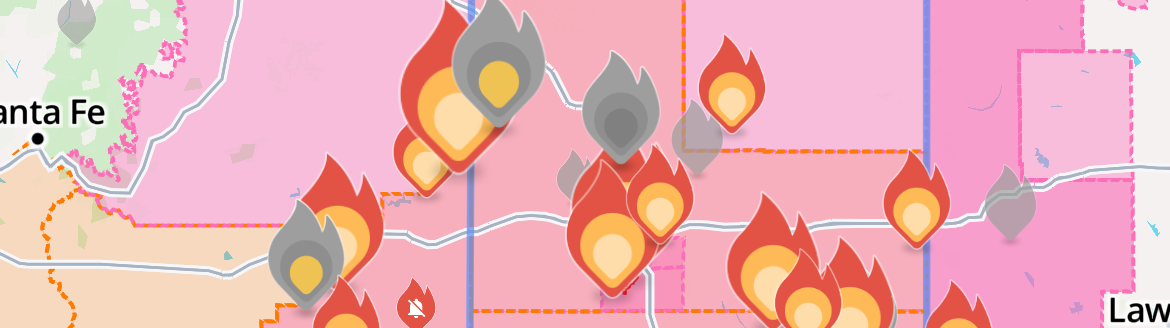
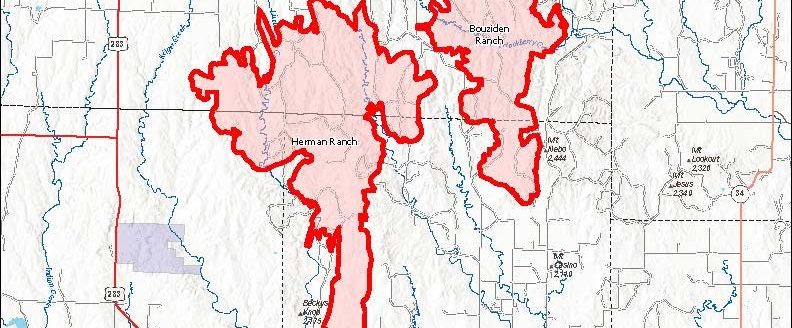
Parts of western Nebraska caught fire in early 2026, with more than 850,000 acres scorched in March alone. Another 40,000 acres burned in June near the state’s largest state park, Fort Robinson.
Besides agriculture, Nebraska is home to an abundant wildlife population and many hunters make the trek to the state for hunting seasons that range from deer, antelope, elk, bighorn sheep, turkey, upland birds, migratory birds, waterfowl and other small game. There’s hunting seasons throughout the calendar year.
However, because of the fires, the remaining 2026 hunting seasons could look a little different in those areas where wildfires swept through earlier in the year.
Kent Fricke, assistant division administrator, wildlife research, analysis and inventory, Nebraska Game and Parks Commission, said despite the massive number of acres burned in 2026, he’s hopeful.
“NGPC did not receive reports of large numbers of wildlife being caught in the spring 2026 wildfires,” he said. “Direct mortality to individual animals is expected to be minimal—many wildlife species are adapted to either moving away from active wildfires or seeking refuge in areas within the burn area that experienced reduced burn intensity.”
He had reports of elk in southwestern Nebraska that were collared by researchers from the University of Nebraska-Lincoln and NGPC, and data from their collars showed the elk actively moved away from the fires but returned several days later.
“The most likely impacts to wildlife following the fires were reductions in nesting habitat for turkeys and upland birds (e.g., pheasants, prairie chickens, quail) and fawning sites for deer and pronghorn,” he said.
The fires could be a blessing in disguise for habitat quality too.
“Overall habitat quality for upland birds and big game should be improved over the next several years with reductions in eastern redcedar in southwestern Nebraska that were burned in the wildfires,” Fricke said.
NGPC will continue to monitor wildlife populations in the burned areas and throughout the state to better understand any potential long-term impacts of the wildfires.
Hunters could encounter areas with reduced grass or tree cover, if the re-growth was limited following the fires. Extended drought throughout western Nebraska during the summer hasn’t been kind to many areas.
“Hunters should be aware of property boundaries for publicly accessible hunting areas, including wildlife management areas and Open Fields and Waters properties—signs may have been burned and staff are working to replace with new signs as quickly as possible,” Fricke said.
Those hunters using tree stands also need to be aware of hazardous trees within burned areas or when using parking areas and trails, since burned trees tend to be a danger through time.
“Overall, we are hopeful that short-term loss of habitat for some species will have the potential for long-term gains in habitat quantity and quality in the affected areas of the spring 2026 wildfires,” he said.
Resiliency
Andrew Little, associate professor of landscape ecology and habitat management, and an Extension specialist with the University of Nebraska-Lincoln, said overall, the state’s grasslands are resilient and have adapted to fire.
“But the speed of recovery will depend on rainfall,” he said. “Wildlife will return as conditions improve, although some impacts could last for years.”
Wildfires have altered wildlife habitat across western Nebraska.
“While many animals can escape fire, the one challenge is the loss of cover that can impact reliable food sources, nesting or other important cover that wildlife depend on,” Little said. “The habitat can recover but it can take time, especially with ongoing drought conditions.”
As the landscape recovers from fire, the wildlife will have challenges ahead.
“The biggest challenges wildlife face is finding reliable food and suitable cover,” he said. “Some wildlife species may have to travel farther and potentially compete for resources in unburned areas.”
Ground nesting birds can be affected by the loss of vegetation, but habitat conditions will eventually improve with time and additional rainfall.
Over time habitat can improve after a fire by stimulating new vegetation growth.
“However, fires of this magnitude can temporarily displace wildlife and affect where wildlife use the landscape,” he said. “Habitat recovery may take one or more growing seasons, while heavily burned wooded areas could take longer depending on the burn severity.”
When it comes to hunting areas following a fire like the Morrill or Cottonwood fires, hunters may see changes in wildlife distribution and movement patterns compared to previous years, he said.
“For example, a traditional hunting location impacted by fire may have fewer animals due to a loss of food and cover,” Little said. “Hunting opportunities may be reduced in some locations initially, but as vegetation returns over time, burned areas can eventually provide excellent forage and wildlife habitat. Hunters should spend time scouting.”
According to Little, the Nebraska Game and Parks biologists are the best source of information.
“In general, fire damaged trees and other hazards could impact safety, so hunters should check access restrictions on public lands before going afield,” he said.
Fort Robinson damage
In a Sept. 2 news release, Rick Arnold, a Nebraska Game and Parks wildlife biologist based near Crawford, Nebraska, said parts of the burned South Fork Fire area vary considerably. Recent rainfall has created flash flooding through parts, while some of the most drought-stricken areas are still barren.
“We’re starting to green up pretty well on the Peterson Wildlife Management Area,” Arnold stated. “Fort Rob is doing so-so, and then the north side of that burn is still pretty bare. I think we’re in a D4 (extreme) drought in the southwestern corner of Dawes County–just pretty miserable, honestly. Sioux County is really crispy and has been since the South Fork Fire.”
Arnold also warned about dangers with trees, with some appearing green and alive, but are actually dead and could fall when strong winds hit.
“They look like they’re alive. They’re green on the top, but you go to the backside of the tree–where that wind swirled on the backside and burned half of that tree off–it’s severely compromised,” he said. “It’s just essentially green off its reserves, and eventually it’s going to die.”
Because of the fires, there could possibly be deep holes where the tree’s root balls once were. These craters of ash could prove hazardous.
In the release, Arnold predicted the overall public hunting area around Fort Robinson may not garner as much hunting interest this year compared to hunting on private lands, but monitoring by the game and parks employees shows animals are still in those areas, despite the charred grounds.
“I think it’s going to be pretty discouraging when folks show up, and it’s a burned landscape,” Arnold said. “It’s not green, lush pine trees. There’s areas where it’s scorched earth. But you know, running trail cameras and checking water tanks— those deer, elk and turkeys. Everything’s moving and utilizing the burn area. Maybe just not at the densities they did.”
Morrill fire remnants
In the six months since the mid-March fires in the Sandhills, the conditions are not quite where they have been in years past. Hunter Baillie, the northwest district supervisor for Game and Parks’ Wildlife Division, told Nebraska Public Media they are “recovering fairly well.”
“It’s still not what everyone wants it to be for sure, but we hunted the Crescent Refuge, and we observed over 40 mule deer within that area,” Baillie said. “So, it’s good to see wildlife using that area.”
According to Baille, the landscape should be better in just a few years.
“There’s potential for long-term impacts that are positive, especially when you’re talking wildlife,” Baillie said. “It modifies the plant communities. It changes the plant diversity, increases the amount of forage, the broadleaf plants, shrubs.”
Kylene Scott can be reached at 620-227-1804 or [email protected].